Peripheral Stem Cell Support
Peripheral Stem Cell Support is a vital medical procedure used in various treatments, particularly in oncology. It involves collecting and reinfusing a patient’s own or a donor’s stem cells to help restore blood-forming capacity after high-dose therapy.

Key Takeaways
- Peripheral Stem Cell Support involves collecting hematopoietic stem cells from the bloodstream.
- These cells are crucial for restoring the body’s ability to produce blood cells after intensive treatments like chemotherapy or radiation.
- The procedure typically includes mobilization, apheresis, and reinfusion.
- It offers significant benefits, including faster recovery of blood counts and reduced risk of infections.
- It is a cornerstone in the treatment of certain cancers and blood disorders.
What is Peripheral Stem Cell Support?
Peripheral Stem Cell Support refers to a medical procedure focused on the collection and transplantation of hematopoietic stem cells (HSCs) found in the peripheral blood. These stem cells are responsible for generating all types of blood cells, including red blood cells, white blood cells, and platelets. The primary goal of this support is to restore a patient’s blood-forming system, often after it has been damaged by high-dose chemotherapy or radiation therapy used to treat certain cancers or blood disorders. Unlike bone marrow transplants, which involve extracting stem cells directly from the bone marrow, peripheral stem cell support utilizes cells circulating in the bloodstream, making the collection process less invasive.
The Peripheral Stem Cell Support Procedure
The process of peripheral stem cell support procedure typically involves several key stages designed to collect, process, and reinfuse stem cells. Understanding how peripheral stem cell support works begins with the mobilization phase. Patients receive medications, such as granulocyte colony-stimulating factors (G-CSFs), which stimulate the bone marrow to release a sufficient number of hematopoietic stem cells into the peripheral bloodstream. This mobilization usually takes several days, during which the patient’s stem cell count is monitored.
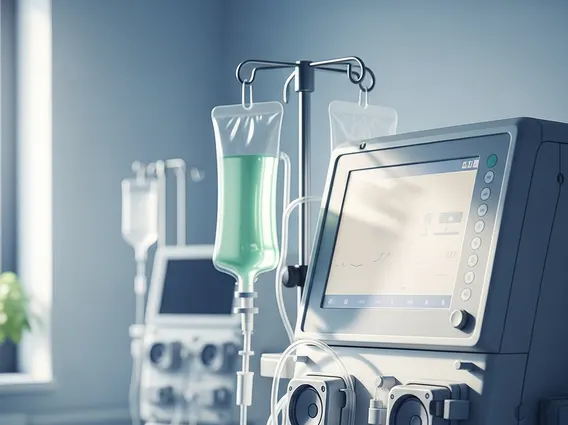
Once enough stem cells are circulating, the apheresis stage begins. This involves connecting the patient to an apheresis machine, which draws blood, separates the stem cells, and returns the remaining blood components to the patient. This process is similar to donating blood platelets and can take several hours over one or more days. The collected stem cells are then processed and cryopreserved (frozen) for later use, or, in some cases, immediately prepared for reinfusion. The final stage is the reinfusion, where the patient receives their own (autologous) or a donor’s (allogeneic) stem cells intravenously, much like a blood transfusion. These reinfused cells then travel to the bone marrow, where they engraft and begin producing new, healthy blood cells, thereby reconstituting the patient’s hematopoietic system.
- Mobilization: Administration of growth factors to move stem cells from bone marrow to peripheral blood.
- Apheresis: Collection of stem cells from the bloodstream using a specialized machine.
- Processing & Storage: Preparation and cryopreservation of collected cells.
- Reinfusion: Intravenous administration of stem cells back into the patient.
Benefits of Peripheral Stem Cell Support
The benefits of peripheral stem cell support are substantial, particularly for patients undergoing intensive cancer treatments. One of the most significant advantages is the potential for a faster recovery of blood counts compared to traditional bone marrow transplants. This rapid engraftment helps to shorten the period of severe immunosuppression, thereby reducing the risk of life-threatening infections and bleeding complications. For instance, studies have shown that peripheral blood stem cell transplantation can lead to neutrophil engraftment several days earlier than bone marrow transplantation, which is critical for patient outcomes (Source: National Cancer Institute).
Furthermore, the collection process for peripheral stem cells is generally less invasive and associated with fewer risks and discomfort for the donor (if allogeneic) or patient (if autologous) compared to bone marrow harvest. This can lead to a quicker recovery from the collection procedure itself. Peripheral stem cell support has become a standard of care for various conditions, including certain lymphomas, multiple myeloma, and leukemias, offering a crucial lifeline for patients requiring high-dose therapy. The availability of this technique has expanded treatment options and improved survival rates for many individuals facing serious medical challenges.