Peripheral Stem Cell
Peripheral Stem Cell refers to the hematopoietic stem cells found in the bloodstream, which are crucial for the body’s ability to produce all types of blood cells. These cells play a vital role in medical treatments, particularly in oncology and hematology.
Key Takeaways
- Peripheral Stem Cells are immature cells capable of developing into all types of blood cells, including red blood cells, white blood cells, and platelets.
- They are primarily collected from the circulating blood, often after mobilization from the bone marrow using specific medications.
- Peripheral stem cell therapy is a common treatment, especially for various cancers and blood disorders.
- The process involves collecting these cells from a donor or patient and then infusing them to restore blood cell production.
- This therapy is a less invasive alternative to traditional bone marrow transplantation for many patients.
What is Peripheral Stem Cell?
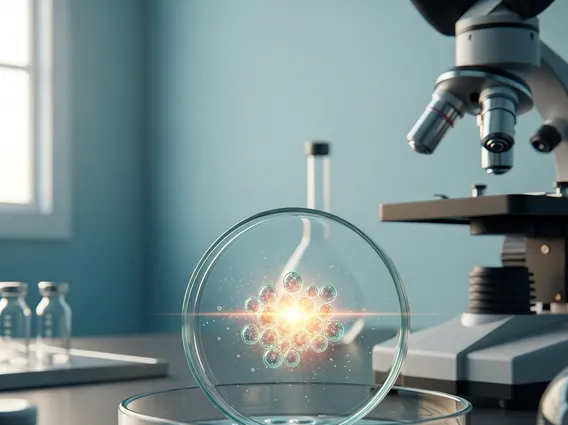
Peripheral Stem Cell refers to hematopoietic stem cells that circulate in the peripheral blood, rather than residing solely in the bone marrow. These remarkable cells possess the unique ability to differentiate into all types of mature blood cells, including oxygen-carrying red blood cells, infection-fighting white blood cells, and clot-forming platelets. Their presence in the bloodstream makes them accessible for collection, which is a key advantage in various medical treatments.
The Peripheral stem cell definition highlights their role as progenitor cells essential for hematopoiesis, the continuous process of blood cell formation. While the bone marrow is the primary site for blood cell production, a small number of these stem cells naturally migrate into the peripheral circulation. For therapeutic purposes, their numbers in the blood can be significantly increased through a process called mobilization, typically involving growth factor injections, making them easier to collect.
Peripheral Stem Cell Therapy and Its Uses
Peripheral stem cell therapy explained involves the collection of hematopoietic stem cells from a patient’s or donor’s peripheral blood, followed by their infusion into a recipient. This procedure is a critical component of many treatments, particularly for restoring the blood-forming system after high-dose chemotherapy or radiation, which can destroy both cancerous and healthy blood cells. The infused stem cells then engraft in the bone marrow, where they begin to produce new, healthy blood cells, effectively rebuilding the patient’s immune system.
The Uses of peripheral stem cells are extensive, primarily in the field of oncology and hematology. They are widely used in hematopoietic stem cell transplantation (HSCT) for conditions such as:
- Leukemias (e.g., acute myeloid leukemia, chronic myeloid leukemia)
- Lymphomas (e.g., Hodgkin lymphoma, non-Hodgkin lymphoma)
- Multiple myeloma
- Certain solid tumors (e.g., germ cell tumors, neuroblastoma)
- Severe aplastic anemia and other bone marrow failure syndromes
- Inherited immune deficiency disorders
According to the Worldwide Network for Blood and Marrow Transplantation (WBMT), over 80,000 hematopoietic stem cell transplants are performed globally each year, with peripheral blood being the most common source of stem cells due to its relative ease of collection and faster engraftment compared to bone marrow. This therapy offers a lifeline to patients whose own bone marrow is compromised or destroyed, allowing them to recover and regain vital immune function.