Perineum
The perineum is a crucial anatomical region located at the bottom of the pelvis, playing a vital role in various bodily functions. Understanding its structure and purpose is essential for overall health and well-being.
Key Takeaways
- The perineum is the diamond-shaped area between the thighs, forming the floor of the pelvis.
- It is divided into two triangles: the anterior urogenital triangle and the posterior anal triangle.
- Key functions include supporting pelvic organs, controlling bladder and bowel movements, and contributing to sexual function.
- Pain in the perineum can stem from various causes, including childbirth, injury, or muscle tension.
- Specific exercises, such as Kegels, are beneficial for strengthening the perineum and pelvic floor muscles, aiding in recovery and preventing issues.
What is the Perineum?
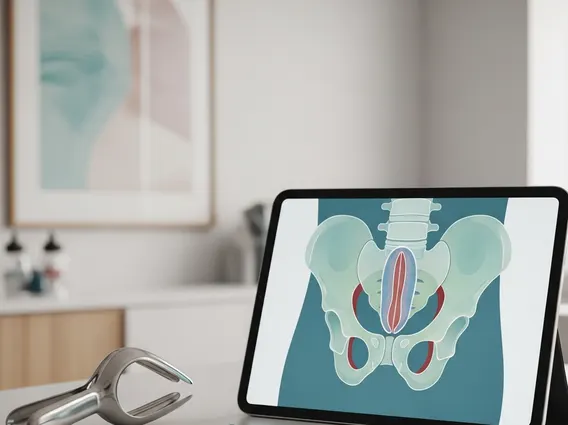
The Perineum refers to the diamond-shaped region located on the inferior aspect of the trunk, between the thighs and buttocks. It forms the floor of the pelvic cavity, extending from the pubic symphysis anteriorly to the coccyx posteriorly, and laterally bounded by the ischial tuberosities. This area is a complex anatomical space that houses the external genitalia and the openings of the urogenital and gastrointestinal tracts.
This critical anatomical region is often overlooked but is fundamental to several physiological processes. It acts as a support structure for the pelvic organs and is integral to maintaining continence and facilitating reproductive functions. Its superficial and deep layers comprise skin, fascia, and muscles that work in concert to provide stability and control.
Perineum Anatomy and Function
The perineum anatomy and function are intricately linked, with its structure dictating its diverse roles. Anatomically, the perineum is divided into two main triangles by an imaginary line drawn between the ischial tuberosities:
- Urogenital Triangle (Anterior): This anterior region contains the external genitalia and the distal parts of the urogenital system. In females, it includes the vulva, urethra, and vaginal opening. In males, it encompasses the penis and scrotum.
- Anal Triangle (Posterior): This posterior region surrounds the anus and contains the external anal sphincter, which is crucial for fecal continence.
Functionally, the perineum serves several vital purposes. It provides robust support for the pelvic organs, preventing prolapse. The muscles within the perineum, particularly the pelvic floor muscles, play a critical role in controlling the bladder and bowel, ensuring urinary and fecal continence. Furthermore, these muscles are involved in sexual function and childbirth, facilitating the passage of a baby through the birth canal.
Causes of Perineum Pain and Exercises for Health
Causes of perineum pain can vary widely, ranging from acute injuries to chronic conditions. One common cause is trauma, often associated with childbirth, where perineal tears or episiotomies can lead to significant discomfort during the healing process. Other potential causes include:
- Muscle tension or spasms in the pelvic floor.
- Infections, such as urinary tract infections or yeast infections, which can irritate the surrounding tissues.
- Nerve entrapment or damage, leading to neuropathic pain.
- Inflammatory conditions, like prostatitis in men or vulvodynia in women.
- Post-surgical complications in the pelvic region.
Engaging in perineum exercises for health is crucial for maintaining strength, flexibility, and overall well-being in this region, and can also be a key component in managing or preventing pain. Pelvic floor exercises, commonly known as Kegel exercises, are particularly beneficial. These exercises involve contracting and relaxing the muscles that support the bladder, uterus, and bowels. Regular practice can improve muscle tone, enhance continence, and support recovery after childbirth or surgery. It is always recommended to consult with a healthcare professional or a physical therapist specializing in pelvic health to ensure proper technique and to address specific concerns.