Peg Tube
A Peg Tube, or Percutaneous Endoscopic Gastrostomy tube, is a medical device used to provide nutrition, fluids, and medication directly into the stomach. It is typically recommended for individuals who are unable to swallow safely or adequately for an extended period.
Key Takeaways
- A PEG tube is a feeding tube inserted through the abdominal wall into the stomach, used for long-term nutritional support.
- The procedure involves an endoscope to guide the tube placement, offering a less invasive alternative to surgical gastrostomy.
- It functions by allowing liquid nutrition, fluids, and medications to bypass the mouth and esophagus, delivering them directly to the digestive system.
- Proper care, including cleaning, flushing, and site monitoring, is crucial to prevent complications like infection or dislodgement.
- While generally safe, potential complications can include infection, leakage, tube blockage, or dislodgement.
What is a PEG Tube (Percutaneous Endoscopic Gastrostomy)?
Percutaneous Endoscopic Gastrostomy (PEG) refers to a procedure where a flexible feeding tube is placed through the abdominal wall and directly into the stomach. This medical intervention provides a vital route for nutrition, hydration, and medication delivery when a patient cannot consume adequate amounts orally due to various medical conditions. The term “gastrostomy” indicates the creation of an opening into the stomach, and “percutaneous endoscopic” describes the minimally invasive method of insertion using an endoscope. This method has largely replaced surgical gastrostomy for many patients due to its lower risk profile and quicker recovery time.
A PEG tube is typically recommended for individuals with conditions that impair their ability to swallow safely or effectively over an extended period. These conditions might include neurological disorders like stroke or Parkinson’s disease, head and neck cancers, severe trauma, or certain gastrointestinal issues. The tube itself is made of medical-grade silicone or polyurethane, designed for long-term use, and features an external port for administration and an internal bumper or balloon to secure it in place within the stomach.
How Does a PEG Tube Work?
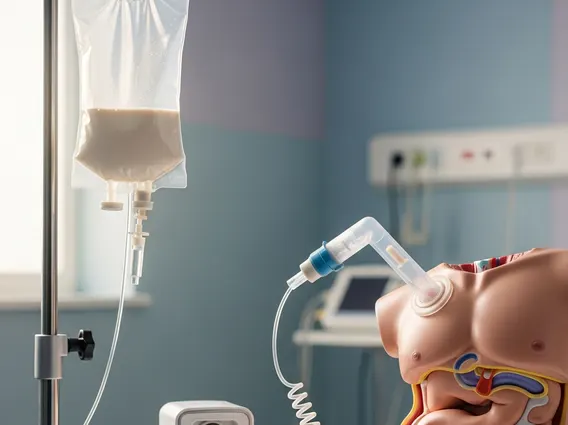
A PEG tube functions by creating a direct conduit from the outside of the body to the stomach, bypassing the mouth and esophagus entirely. During the insertion procedure, an endoscope is passed through the mouth, down the esophagus, and into the stomach to visualize the stomach wall. A small incision is then made in the abdomen, and the PEG tube is guided through this incision into the stomach, secured internally with a bumper or balloon, and externally with a retention disc. Once in place, liquid formula, water, and prescribed medications can be administered through the external port of the tube.
The tube allows for continuous or bolus feedings, depending on the patient’s nutritional needs and tolerance. Continuous feedings involve a slow, steady drip of formula over several hours, often using a pump, while bolus feedings deliver larger volumes at specific times, mimicking meal patterns. This direct delivery ensures that essential nutrients reach the digestive system efficiently, preventing malnutrition and dehydration in patients who cannot eat or drink sufficiently by mouth.
PEG Tube Care, Maintenance, and Potential Complications
Proper PEG tube care and maintenance are essential to prevent complications and ensure the tube functions effectively. Daily care typically involves cleaning the skin around the stoma (the opening where the tube enters the body) with mild soap and water, ensuring it remains dry and free from irritation. The tube itself needs to be flushed with water before and after each feeding or medication administration to prevent blockages. Regular rotation of the external bumper or disc can help prevent skin breakdown and pressure sores around the stoma site.
While PEG tubes are generally safe and effective, there are potential risks and complications of PEG tube placement and long-term use. These can range from minor issues to more serious concerns.
Common complications include:
- Infection at the stoma site: Characterized by redness, swelling, pain, or discharge.
- Leakage: Gastric contents leaking around the tube, which can irritate the skin.
- Tube blockage: Often due to inadequate flushing or medication residue.
- Tube dislodgement or breakage: Requiring immediate medical attention for replacement.
- Gastric irritation or ulceration: Less common, but can occur internally at the tube’s tip.
Patients and caregivers receive detailed instructions on how to manage the tube, recognize signs of complications, and when to seek medical advice. Adherence to these guidelines is crucial for the patient’s well-being and the longevity of the PEG tube. According to the American Society for Parenteral and Enteral Nutrition (ASPEN), proper care protocols significantly reduce the incidence of device-related complications, highlighting the importance of patient and caregiver education.