Parotidectomy
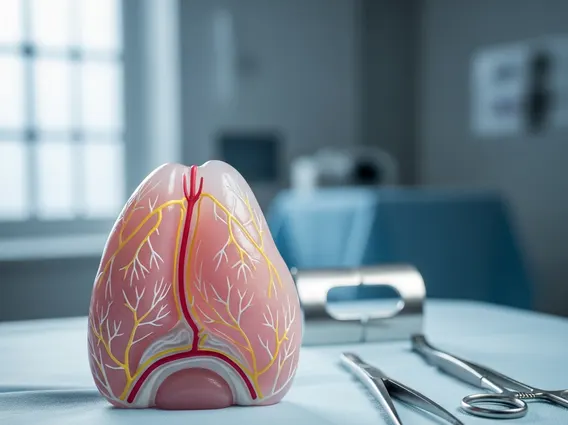
Parotidectomy is a surgical procedure involving the removal of all or part of the parotid gland, one of the major salivary glands located in front of and below the ear. This operation is primarily performed to address various conditions affecting the gland, most commonly tumors.
Key Takeaways
- Parotidectomy is the surgical removal of part or all of the parotid gland, typically for tumor treatment.
- The procedure is crucial for diagnosing and treating both benign and malignant parotid gland tumors.
- Recovery involves a hospital stay and several weeks of recuperation, with careful management of pain and wound care.
- Potential risks include facial nerve injury, bleeding, infection, and Frey’s syndrome.
- Understanding the procedure, recovery, and potential complications is vital for patients undergoing parotid gland removal.
What is Parotidectomy: Parotid Gland Removal Explained
Parotidectomy refers to the surgical procedure for removing all or a portion of the parotid gland. This gland is the largest of the three major salivary glands, responsible for producing saliva that aids in digestion. The primary reason for performing this surgery, often referred to as parotid gland removal explained, is the presence of a tumor or mass within the gland. While most parotid gland tumors are benign (non-cancerous), a significant percentage can be malignant (cancerous), necessitating surgical intervention for diagnosis and treatment. The procedure is carefully planned to preserve the facial nerve, which runs through the parotid gland and controls facial expressions.
The specific type of parotidectomy depends on the size and location of the tumor. A superficial parotidectomy involves removing only the superficial lobe of the gland, which lies above the facial nerve. A total parotidectomy, on the other hand, entails the removal of both the superficial and deep lobes of the gland. In cases of malignancy, a more extensive removal might be necessary, potentially including surrounding tissues or lymph nodes. According to the American Academy of Otolaryngology—Head and Neck Surgery, salivary gland tumors are relatively rare, accounting for less than 1% of all cancers, with the parotid gland being the most common site for these tumors.
Parotidectomy Recovery Time and Potential Risks
The parotidectomy recovery time varies depending on the extent of the surgery and individual patient factors, but typically involves a hospital stay of one to three days. After discharge, patients usually require several weeks at home for full recuperation. During this period, pain management, wound care, and avoiding strenuous activities are crucial. A drain may be placed in the wound during surgery to prevent fluid accumulation, which is usually removed within a few days. Patients are advised to follow a soft diet initially and gradually return to normal activities as tolerated. Complete healing of the incision site can take several weeks, and swelling may persist for a longer duration.
Like any surgical procedure, there are several risks of parotidectomy procedure. The most significant risk is injury to the facial nerve, which can lead to temporary or, in rare cases, permanent facial weakness or paralysis on the affected side. Surgeons take great care to identify and preserve this nerve during the operation. Other potential complications include:
- Bleeding: Post-operative bleeding can occur, sometimes requiring further intervention.
- Infection: The surgical site can become infected, necessitating antibiotics.
- Frey’s Syndrome: Also known as gustatory sweating, this condition causes sweating and flushing on the cheek when eating, due to nerve regeneration. It affects a significant number of patients, with estimates ranging from 10% to 50% depending on diagnostic methods, though often mild.
- Numbness: Numbness around the earlobe is common due to the sacrifice of sensory nerves during the incision.
- Salivary fistula: A rare complication where saliva leaks from the wound.
Patients are thoroughly informed about these potential risks by their surgical team before the procedure to ensure they make an informed decision.