Parkinson Disease
Parkinson Disease is a progressive neurodegenerative disorder that primarily affects dopamine-producing neurons in a specific area of the brain. It leads to a range of motor and non-motor symptoms that worsen over time, significantly impacting quality of life.

Key Takeaways
- Parkinson’s disease is a chronic, progressive neurological disorder characterized by the loss of dopamine-producing neurons in the brain.
- Common motor symptoms of Parkinson’s disease include tremor, rigidity, bradykinesia, and postural instability.
- The exact causes of Parkinson’s disease are not fully understood, but a combination of genetic and environmental factors is believed to play a role.
- Diagnosis of Parkinson’s disease relies on a thorough neurological examination and medical history, as there is no single definitive test.
- While there is no cure, treatments focus on managing symptoms and improving daily function.
What is Parkinson Disease?
Parkinson’s disease is a long-term degenerative disorder of the central nervous system that mainly affects the motor system. It results from the progressive loss of dopamine-producing neurons in a specific area of the brain called the substantia nigra. Dopamine is a crucial neurotransmitter responsible for smooth, coordinated muscle movements. As these neurons die, dopamine levels decrease, leading to the characteristic motor symptoms of the condition.
This progressive nature means that symptoms typically appear gradually and worsen over many years. Beyond motor difficulties, individuals with Parkinson’s disease may also experience a variety of non-motor symptoms, including sleep problems, mood disorders, cognitive changes, and sensory issues. According to the World Health Organization (WHO), neurological disorders, including Parkinson’s disease, are a leading cause of disability and death globally. It is estimated that over 8.5 million people worldwide live with Parkinson’s disease, highlighting its significant public health impact.
Symptoms and Causes of Parkinson’s Disease
The symptoms of Parkinson’s disease typically develop slowly over time, often starting subtly on one side of the body before affecting both. These symptoms are broadly categorized into motor and non-motor manifestations, with motor symptoms being the most recognizable indicators of the disease.
Common motor symptoms include:
- Tremor: Involuntary shaking, often beginning in a limb, particularly at rest.
- Bradykinesia: Slowness of movement, making simple tasks difficult and time-consuming.
- Rigidity: Stiffness of the limbs and trunk, which can limit range of motion and cause pain.
- Postural Instability: Impaired balance and coordination, leading to an increased risk of falls.
Non-motor symptoms can precede motor symptoms by many years and include loss of smell (anosmia), constipation, sleep disorders (such as REM sleep behavior disorder), and mood disorders like depression and anxiety.
The exact causes of Parkinson’s disease are still largely unknown, but research suggests a complex interplay of genetic predisposition and environmental factors. The primary pathological hallmark is the accumulation of a protein called alpha-synuclein into clumps known as Lewy bodies within brain cells. This accumulation is thought to be toxic to neurons, particularly those that produce dopamine.
While most cases are sporadic, meaning they occur without a clear genetic link, about 10-15% of individuals with Parkinson’s disease have a family history of the condition, indicating a genetic component. Specific gene mutations have been identified that increase the risk. Environmental factors, such as exposure to certain toxins or pesticides, have also been implicated, though their precise role and interaction with genetic factors are still under investigation.
How is Parkinson’s Disease Diagnosed?
The process of determining how is Parkinson’s disease diagnosed primarily relies on a comprehensive clinical evaluation by a neurologist. There is currently no single definitive blood test, imaging scan, or biomarker that can definitively diagnose the condition. Instead, diagnosis is made based on a detailed medical history, a thorough neurological examination, and the presence of characteristic motor symptoms.
During the neurological exam, the doctor will assess for key motor signs such as tremor, rigidity, bradykinesia, and postural instability. They will also look for other signs like reduced facial expressions (masking), decreased arm swing when walking, and changes in speech or handwriting. The response to Parkinson’s medications, particularly levodopa, can also support a diagnosis, as individuals with Parkinson’s disease typically show significant improvement in motor symptoms after taking it.
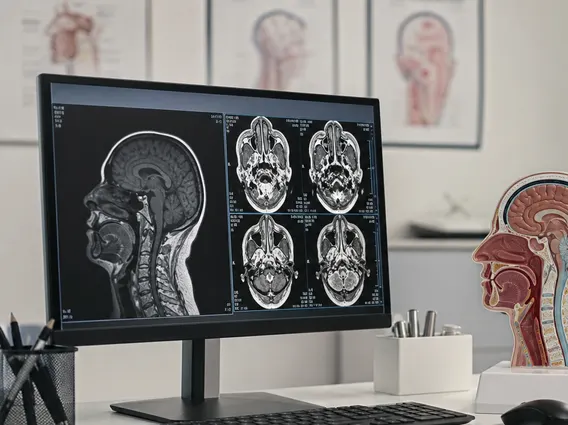
Imaging tests, such as magnetic resonance imaging (MRI) of the brain, are often performed to rule out other conditions that might cause similar symptoms, such as stroke or brain tumors. A DaTscan (dopamine transporter scan) can help confirm the loss of dopamine-producing neurons in the brain, but it cannot differentiate Parkinson’s disease from other conditions that also involve dopamine deficiency. Therefore, a definitive diagnosis often requires careful observation of symptom progression over time and exclusion of other neurological disorders.