Parenchyma
Parenchyma refers to a fundamental type of tissue found across various biological organisms, playing crucial roles in metabolism, storage, and structural support. It is widely recognized as the most common and versatile tissue type in both plants and animals.
Key Takeaways
- Parenchyma is a versatile tissue, forming the bulk of many organs in plants and the functional tissue of organs in animals.
- Parenchyma cells are typically thin-walled, living cells with large central vacuoles, adapted for various metabolic activities.
- In plants, parenchyma performs functions like photosynthesis (chlorenchyma), storage (storage parenchyma), and gas exchange (aerenchyma).
- In animals, parenchyma constitutes the essential functional parts of organs, such as the liver, kidneys, and glands.
- Its adaptability allows it to contribute significantly to an organism’s overall health and physiological processes.
What is Parenchyma: Definition and Overview
In biology, Parenchyma definition biology refers to a type of tissue characterized by its living cells, which are typically thin-walled, unspecialized, and capable of division. This tissue forms the bulk of many plant organs and the functional components of animal organs. Essentially, what is Parenchyma can be understood as the fundamental ground tissue in plants, filling spaces between other tissues, and the essential functional tissue (parenchyma) of an organ in animals.
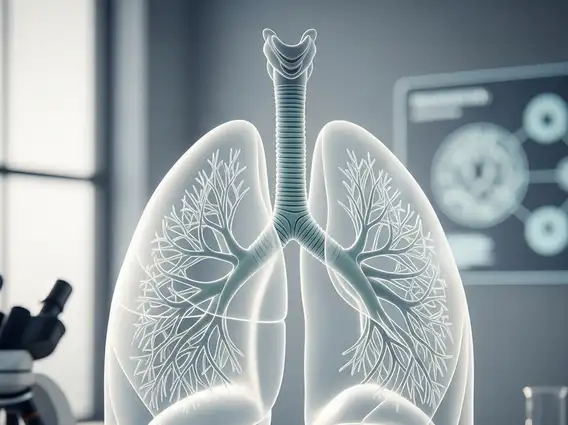
The ubiquity of parenchyma tissue highlights its importance. In plants, it constitutes the soft parts of fruits, the pulp of leaves, and the cortex and pith of stems and roots. In animals, it forms the working tissue of organs like the liver, kidneys, lungs, and glands, distinguishing it from the connective tissue that provides structural support.
Parenchyma Cell Structure and Diverse Functions
The unique Parenchyma cell structure and function enable its diverse roles. Parenchyma cells are generally isodiametric (roughly spherical or polyhedral) and have thin primary cell walls, allowing for flexibility and permeability. They typically possess a large central vacuole, which is crucial for maintaining turgor pressure and storing water, nutrients, and waste products. These cells remain metabolically active throughout their lives, unlike some other plant tissues that become lignified or dead at maturity.
The functions of parenchyma are extensive and vary depending on its location and the organism:
- Metabolism: They are primary sites for metabolic processes, including respiration and protein synthesis.
- Photosynthesis: In leaves, specialized parenchyma cells (chlorenchyma) contain chloroplasts and are the main sites of photosynthesis.
- Storage: They store essential substances such as starch, lipids, proteins, and water in roots, stems, and fruits.
- Healing and Regeneration: Parenchyma cells can divide and differentiate, playing a vital role in wound healing and regeneration in plants.
- Gas Exchange: In aquatic plants, aerenchyma (a type of parenchyma with large air spaces) facilitates gas exchange and buoyancy.
- Secretion: Some parenchyma cells are involved in the secretion of resins, tannins, and other substances.
Types of Parenchyma and Biological Examples
While the basic structure is similar, Types of parenchyma in plants are often categorized based on their specialized functions or modifications. These variations allow plants to adapt to different environmental conditions and perform a wide array of physiological processes.
Common types of plant parenchyma include:
| Parenchyma Type | Primary Function | Location/Example |
|---|---|---|
| Chlorenchyma | Photosynthesis | Leaf mesophyll, outer layers of green stems |
| Aerenchyma | Gas exchange, buoyancy | Aquatic plant stems and roots (e.g., water lily) |
| Storage Parenchyma | Storage of nutrients (starch, water) | Root cortex (e.g., potato tubers), fruit pulp |
| Transfer Parenchyma | Short-distance solute transport | Near vascular bundles, glandular tissues |
In animals, the term parenchyma refers to the functional tissue of an organ, as opposed to its supporting connective tissue (stroma). For instance, the hepatocytes in the liver, nephrons in the kidneys, and the alveoli in the lungs are all examples of parenchyma, performing the organ’s specific vital functions.