Pancreatic Exocrine Tumor
Pancreatic exocrine tumors are a significant health concern, representing the most common type of pancreatic cancer. Understanding these tumors, their symptoms, and available treatments is crucial for early detection and effective management.
Key Takeaways
- Pancreatic Exocrine Tumor is the most prevalent form of pancreatic cancer, originating from the exocrine cells that produce digestive enzymes.
- Symptoms often appear late and can include jaundice, abdominal pain, unexplained weight loss, and changes in stool.
- Risk factors include smoking, obesity, diabetes, chronic pancreatitis, and certain genetic syndromes.
- Diagnosis typically involves imaging scans, biopsies, and blood tests.
- Treatment strategies vary based on the tumor’s stage and location, commonly involving surgery, chemotherapy, and radiation.
What is Pancreatic Exocrine Tumor?
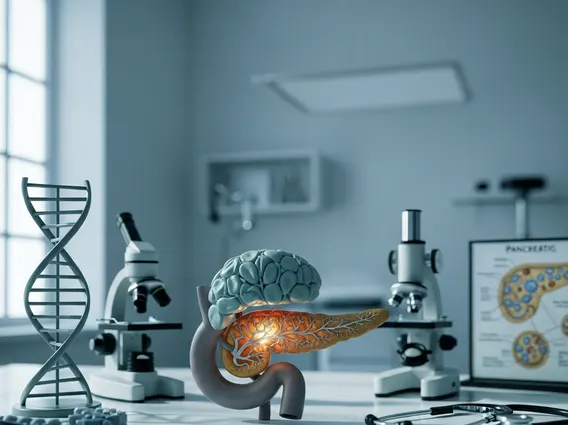
Pancreatic Exocrine Tumor refers to a malignant growth that originates in the exocrine cells of the pancreas. The pancreas is a vital organ located behind the stomach, playing a dual role in digestion and hormone production. Its exocrine function involves producing enzymes essential for breaking down food in the small intestine. When these exocrine cells undergo uncontrolled growth, they can form a tumor, which is the most common type of pancreatic cancer, accounting for over 90% of all pancreatic malignancies. The most prevalent type of exocrine tumor is adenocarcinoma, which typically arises from the ducts lining the pancreas. These tumors can be aggressive and often present challenges in early diagnosis due to their location and the non-specific nature of initial symptoms.
Symptoms and Causes of Pancreatic Exocrine Tumor
Recognizing the pancreatic exocrine tumor symptoms is critical, though they often manifest in advanced stages, making early detection difficult. The pancreas’s deep location means tumors can grow significantly before causing noticeable signs. Common symptoms may include:
- Jaundice: Yellowing of the skin and eyes, dark urine, and pale stools, due to bile duct blockage.
- Abdominal or back pain: A dull ache in the upper abdomen that may radiate.
- Unexplained weight loss and loss of appetite: Significant weight loss without intentional dieting.
- Fatigue: General tiredness that doesn’t improve with rest.
- Nausea and vomiting: Digestive discomfort, especially after eating.
- New-onset diabetes or worsening of existing diabetes.
- Changes in stool: Fatty stools (steatorrhea) due to insufficient digestive enzymes.
The causes of pancreatic exocrine tumor are not fully understood, but several risk factors have been identified. These factors increase an individual’s likelihood of developing the disease.
Key risk factors include:
- Smoking: A significant and modifiable risk factor.
- Obesity: Linked to an increased risk.
- Diabetes: Both long-standing and new-onset diabetes are associated.
- Chronic pancreatitis: Long-term inflammation of the pancreas.
- Family history and genetic syndromes: Certain inherited genetic mutations.
- Age: Risk increases with age, with most diagnoses occurring after 60.
- Heavy alcohol consumption: Can lead to chronic pancreatitis.
According to the American Cancer Society, pancreatic cancer accounts for about 3% of all cancers in the U.S. and about 7% of all cancer deaths, highlighting its aggressive nature and the need for improved understanding and treatment strategies.
Pancreatic Exocrine Tumor Treatment
The pancreatic exocrine tumor treatment approach is highly individualized, depending on the tumor’s stage, location, the patient’s overall health, and resectability. Treatment aims to remove the tumor, slow its growth, alleviate symptoms, and improve quality of life.
Common treatment modalities include:
- Surgery: For localized tumors, surgical removal offers the best chance for a cure. Procedures like the Whipple procedure are common for tumors in the head of the pancreas.
- Chemotherapy: Uses drugs to kill cancer cells throughout the body. It can be administered before surgery (neoadjuvant), after surgery (adjuvant), or for advanced tumors.
- Radiation Therapy: Uses high-energy rays to destroy cancer cells or shrink tumors, often combined with chemotherapy.
- Targeted Therapy: Drugs that specifically target molecules involved in cancer growth, used for patients with specific genetic mutations.
- Palliative Care: For advanced tumors, this focuses on managing symptoms like pain and nausea to improve comfort and quality of life.
It is important to note that information regarding supportive or complementary therapies is intended for informational purposes only and does not replace professional medical advice or treatment. Always consult with a qualified healthcare provider for diagnosis and treatment of any medical condition.