Pancreatic Ductal Adenocarcinoma
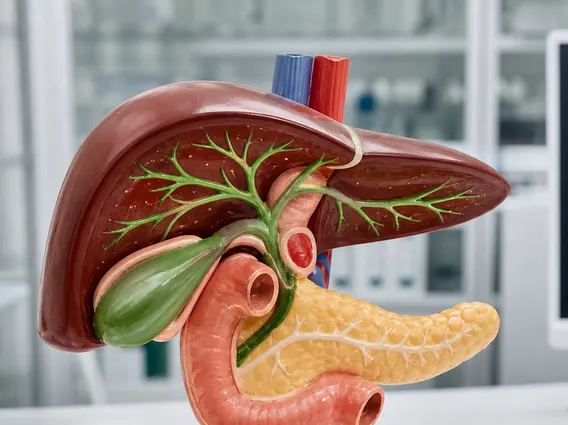
Pancreatic Ductal Adenocarcinoma is a highly aggressive form of cancer that originates in the ducts of the pancreas. Understanding this complex disease is crucial for early detection and effective management.
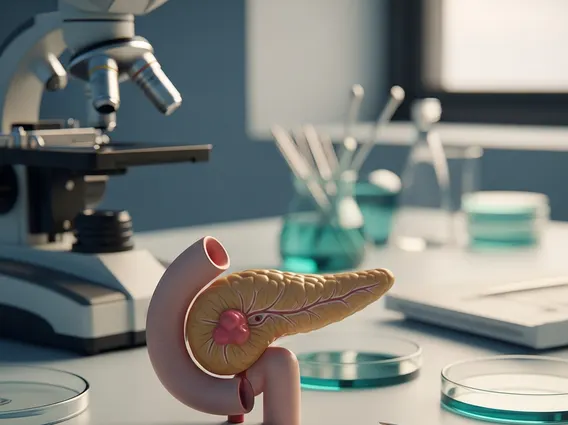
Key Takeaways
- Pancreatic Ductal Adenocarcinoma is a severe cancer originating in the exocrine cells of pancreatic ducts.
- Symptoms often appear late, including jaundice, weight loss, and abdominal pain.
- Risk factors include smoking, obesity, diabetes, and certain genetic syndromes.
- Treatment typically involves surgery, chemotherapy, and radiation, depending on the stage.
- Early diagnosis is challenging but vital for improving patient outcomes.
What is Pancreatic Ductal Adenocarcinoma?
Pancreatic Ductal Adenocarcinoma (PDAC) is the most common type of pancreatic cancer, accounting for approximately 90% of all cases. This aggressive malignancy develops from the exocrine cells lining the ducts of the pancreas, an organ located behind the stomach that plays a vital role in digestion and blood sugar regulation. PDAC is characterized by its rapid progression and often late diagnosis, making it one of the most challenging cancers to treat. According to the American Cancer Society, pancreatic cancer accounts for about 3% of all cancers in the U.S. and approximately 7% of all cancer deaths, highlighting its significant mortality rate despite its relatively lower incidence.
Symptoms and Causes of Pancreatic Ductal Adenocarcinoma
Recognizing the signs of pancreatic ductal adenocarcinoma can be difficult as symptoms often do not manifest until the disease has advanced. When symptoms do appear, they can be vague and easily mistaken for less serious conditions.
Common pancreatic ductal adenocarcinoma symptoms include:
- Jaundice: Yellowing of the skin and eyes, often accompanied by dark urine and pale stools, due to a tumor blocking the bile duct.
- Abdominal or Back Pain: A dull ache in the upper abdomen that may radiate to the back, often worsening after eating or lying down.
- Unexplained Weight Loss: Significant and unintentional loss of body weight.
- Loss of Appetite: Feeling full quickly or having a decreased desire to eat.
- New-onset Diabetes or Worsening of Existing Diabetes: The pancreas’s inability to produce enough insulin.
- Nausea and Vomiting: Often a result of the tumor pressing on the stomach.
- Fatigue: Persistent tiredness and lack of energy.
The exact causes of pancreatic ductal adenocarcinoma are not fully understood, but several risk factors have been identified that can increase an individual’s likelihood of developing the disease. These include:
- Smoking: A major modifiable risk factor, significantly increasing the risk.
- Obesity: Being overweight or obese is linked to a higher risk.
- Diabetes: Both long-standing and new-onset diabetes are associated with increased risk.
- Chronic Pancreatitis: Long-term inflammation of the pancreas.
- Family History and Genetics: Certain inherited genetic mutations (e.g., BRCA2, Lynch syndrome) can elevate risk.
- Age: The risk increases with age, with most diagnoses occurring after age 60.
- Heavy Alcohol Consumption: While not a direct cause, it can lead to chronic pancreatitis, a risk factor.
Pancreatic Ductal Adenocarcinoma Treatment Options
Treatment for pancreatic ductal adenocarcinoma is highly individualized and depends on several factors, including the stage of the cancer, its location, the patient’s overall health, and whether the cancer has spread. The primary goal is often to remove the tumor if possible, control the disease, and manage symptoms to improve quality of life.
A multidisciplinary team typically develops the treatment plan, which may include:
- Surgery: For localized tumors, surgical removal (e.g., Whipple procedure, distal pancreatectomy) offers the best chance for long-term survival. However, only a small percentage of patients are candidates for surgery due to late diagnosis.
- Chemotherapy: Often used before (neoadjuvant) or after (adjuvant) surgery to shrink tumors or eliminate remaining cancer cells. It is also a primary treatment for advanced or metastatic disease to slow progression and alleviate symptoms.
- Radiation Therapy: Can be used alone or in combination with chemotherapy to kill cancer cells, shrink tumors, or relieve pain and other symptoms.
- Targeted Therapy: These drugs specifically target certain genes or proteins involved in cancer growth, offering a more personalized approach for some patients.
- Immunotherapy: A newer approach that helps the body’s immune system fight cancer. While not effective for all PDAC patients, it is an area of ongoing research.
- Palliative Care: Essential for managing symptoms, pain, and side effects of treatment, focusing on improving the patient’s quality of life throughout their illness.
Despite advancements, pancreatic ductal adenocarcinoma remains a formidable challenge. The 5-year relative survival rate for pancreatic cancer is approximately 12%, underscoring the critical need for continued research into earlier detection methods and more effective therapies (American Cancer Society).