
Pancreatic Duct
The pancreatic duct is a crucial component of the digestive system, serving as the primary conduit for pancreatic secretions essential for digestion. Understanding its structure and role is fundamental to comprehending various digestive health conditions.
Key Takeaways
- The pancreatic duct, also known as the Duct of Wirsung, transports digestive enzymes and bicarbonate from the pancreas to the small intestine.
- It typically merges with the common bile duct before emptying into the duodenum via the ampulla of Vater.
- Proper pancreatic duct function is vital for nutrient breakdown and absorption.
- Conditions such as pancreatitis, gallstones, and tumors can lead to pancreatic duct diseases.
- Symptoms of a pancreatic duct blockage often include severe abdominal pain, nausea, and jaundice.
What is the Pancreatic Duct: Anatomy and Function
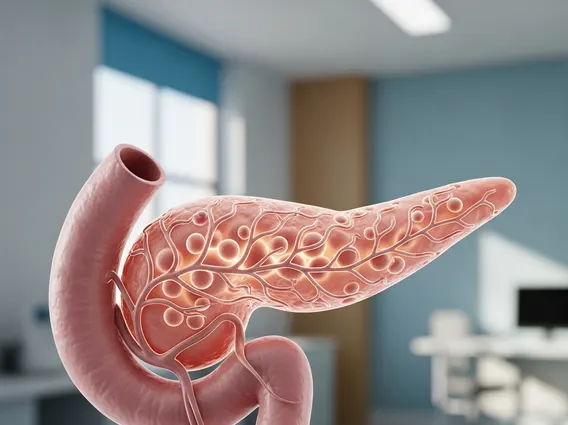
The Pancreatic Duct, also known as the Duct of Wirsung, is a tube-like structure that runs the length of the pancreas. It collects digestive enzymes and bicarbonate produced by the exocrine pancreas and transports them to the duodenum, the first part of the small intestine. This intricate system is essential for the breakdown of food and the neutralization of stomach acid, creating an optimal environment for nutrient absorption.
The pancreatic duct anatomy involves several key features. It typically begins in the tail of the pancreas, extending through the body and head, where it usually joins the common bile duct. This union forms a short, dilated tube called the ampulla of Vater, which then empties into the duodenum through a muscular valve known as the sphincter of Oddi. A smaller accessory pancreatic duct (Duct of Santorini) may also be present, sometimes draining separately into the duodenum. The precise anatomical arrangement can vary among individuals, which can have clinical implications.
The primary pancreatic duct function is to facilitate digestion by delivering vital substances to the small intestine. These substances include a variety of potent digestive enzymes, such as amylase for carbohydrate digestion, lipase for fat digestion, and proteases (like trypsin and chymotrypsin) for protein digestion. Additionally, the pancreas secretes bicarbonate, a base that neutralizes the acidic chyme entering the duodenum from the stomach. This neutralization is critical for protecting the intestinal lining and ensuring the optimal activity of pancreatic enzymes, which function best in an alkaline environment.
Conditions Affecting the Pancreatic Duct and Their Symptoms
A range of conditions can impact the Pancreatic Duct, leading to significant health issues. These pancreatic duct diseases often involve inflammation, obstruction, or structural changes that impair the duct’s ability to transport digestive fluids. One of the most common conditions is pancreatitis, an inflammation of the pancreas that can be acute or chronic. Gallstones are a frequent cause of acute pancreatitis, as they can block the ampulla of Vater, leading to a backup of pancreatic enzymes and bile. According to the CDC, acute pancreatitis affects approximately 50-80 per 100,000 adults annually in the United States, often requiring hospitalization.
Other conditions include pancreatic cancer, which can originate in or near the duct, and strictures (narrowing) caused by inflammation, trauma, or tumors. Cysts, pseudocysts, and congenital anomalies can also affect the duct’s integrity and function. When the pancreatic duct becomes obstructed, the flow of digestive enzymes is impeded, leading to a buildup of pressure within the pancreas and potential damage to the organ itself. This can result in severe pain and impaired digestion.
Recognizing pancreatic duct blockage symptoms is crucial for timely diagnosis and treatment. These symptoms can vary depending on the cause and severity of the blockage but commonly include:
- Severe Abdominal Pain: Often radiating to the back, which may worsen after eating.
- Nausea and Vomiting: Due to digestive distress and inflammation.
- Jaundice: Yellowing of the skin and eyes, if the blockage also affects the common bile duct.
- Unexplained Weight Loss: Resulting from malabsorption of nutrients.
- Steatorrhea: Fatty, foul-smelling stools, indicating poor fat digestion.
- Dark Urine and Pale Stools: Also signs of bile duct obstruction.
Early detection of these symptoms and prompt medical evaluation are vital for managing conditions affecting the Pancreatic Duct and preventing serious complications.



















