Pancreatic
The term Pancreatic refers to anything related to the pancreas, a vital gland located behind the stomach. This article explores the anatomy and functions of the pancreas, common diseases that affect it, and the symptoms associated with pancreatic problems.
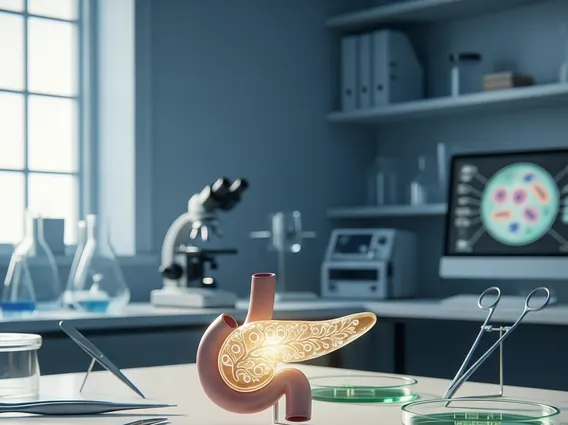
Key Takeaways
- The pancreas is a crucial organ with both exocrine functions (digestion) and endocrine functions (blood sugar regulation).
- It produces digestive enzymes and hormones like insulin and glucagon, essential for nutrient processing and energy balance.
- Common pancreatic diseases include pancreatitis (inflammation), pancreatic cancer, and conditions like cystic fibrosis that affect pancreatic function.
- Symptoms of pancreatic problems often involve abdominal pain, digestive issues, and changes in blood sugar levels.
- Early recognition of symptoms and medical consultation are important for managing pancreatic health.
What is the Pancreas: Defining Pancreatic Anatomy and Function
The pancreas is a glandular organ situated deep within the abdomen, behind the stomach and in front of the spine. It is a vital component of both the digestive and endocrine systems, playing a dual role in maintaining overall health. Its unique position allows it to interact closely with the small intestine, liver, and gallbladder.
The primary role of the pancreas involves its crucial pancreatic function and purpose, which can be divided into two main categories: exocrine and endocrine functions. For its exocrine role, the pancreas produces digestive enzymes that are released into the small intestine to break down carbohydrates, proteins, and fats. These enzymes are essential for nutrient absorption. For its endocrine role, the pancreas produces hormones, primarily insulin and glucagon, which are directly released into the bloodstream. Insulin helps cells absorb glucose from the blood, lowering blood sugar levels, while glucagon raises blood sugar levels by signaling the liver to release stored glucose. This delicate balance is critical for regulating the body’s energy supply.
Types of Pancreatic Diseases
A range of conditions can affect the pancreas, leading to various health issues. Understanding the different types of pancreatic diseases is crucial for diagnosis and treatment. These conditions can disrupt the organ’s ability to produce digestive enzymes or hormones, leading to significant health complications. According to the National Institute of Diabetes and Digestive and Kidney Diseases (NIDDK), acute pancreatitis affects approximately 34-42 per 100,000 people annually worldwide.
Some of the most common pancreatic diseases include:
- Pancreatitis: This is an inflammation of the pancreas, which can be acute (sudden and severe) or chronic (long-lasting). Acute pancreatitis often results from gallstones or excessive alcohol consumption, while chronic pancreatitis can develop over time due to repeated episodes of acute pancreatitis or other factors.
- Pancreatic Cancer: A serious and often aggressive form of cancer that originates in the cells of the pancreas. It is frequently diagnosed at an advanced stage, making treatment challenging.
- Cystic Fibrosis: A genetic disorder that primarily affects the lungs but also impacts the pancreas. In cystic fibrosis, thick mucus can block the ducts of the pancreas, preventing digestive enzymes from reaching the intestine and leading to malabsorption.
- Diabetes Mellitus (Type 1 and Type 2): While not exclusively a pancreatic disease, the pancreas plays a central role. Type 1 diabetes occurs when the immune system destroys the insulin-producing cells in the pancreas. Type 2 diabetes involves insulin resistance or insufficient insulin production by the pancreas.
Symptoms of Pancreatic Problems
Recognizing the symptoms of pancreatic problems is vital for early detection and intervention. Because the pancreas is involved in both digestion and blood sugar regulation, its dysfunction can manifest in a variety of ways, often affecting the digestive system and metabolic processes. These symptoms can range from mild discomfort to severe, life-threatening conditions.
Common signs that may indicate issues with the pancreas include:
- Abdominal Pain: Often a key symptom, this pain typically occurs in the upper abdomen and may radiate to the back. It can be constant or intermittent and may worsen after eating, especially fatty foods.
- Nausea and Vomiting: Digestive distress is common, with individuals experiencing feelings of sickness and sometimes vomiting, particularly during episodes of pancreatitis.
- Unexplained Weight Loss: Difficulty digesting food due to a lack of pancreatic enzymes can lead to poor nutrient absorption and subsequent weight loss, even with a normal diet.
- Jaundice: A yellowing of the skin and eyes can occur if a pancreatic tumor or inflammation blocks the bile duct, preventing bile from flowing from the liver to the intestine.
- Changes in Stool: Stools may become pale, greasy, and foul-smelling (steatorrhea) due to undigested fat, indicating a lack of digestive enzymes.
- Diabetes Symptoms: Pancreatic damage can impair insulin production, leading to symptoms of diabetes such as increased thirst, frequent urination, and fatigue.
If any of these symptoms are experienced persistently, it is crucial to seek medical attention promptly for an accurate diagnosis and appropriate treatment plan.