Palpitation
Palpitations are a common experience where individuals become aware of their own heartbeat. While often benign, they can sometimes indicate underlying health conditions.

Key Takeaways
- Palpitations are sensations of a rapid, fluttering, or pounding heart.
- They can be triggered by stress, caffeine, exercise, or certain medical conditions.
- Common symptoms include a racing heart, skipped beats, or a thumping sensation.
- Most palpitations are harmless, but some warrant medical attention.
- Seek medical advice if palpitations are frequent, severe, or accompanied by other concerning symptoms.
What is Palpitation?
Palpitation refers to the sensation of a rapid, strong, or irregular heartbeat. It’s when you become unusually aware of your heart beating, which might feel like it’s racing, pounding, fluttering, or skipping a beat. These sensations can occur in the chest, throat, or neck. While often harmless, understanding what are heart palpitations is important as they can sometimes be a sign of an underlying medical condition. Many people experience palpitations at some point in their lives, and they can vary greatly in intensity and duration.
Causes of Heart Palpitations
The causes of heart palpitations are diverse, ranging from benign lifestyle factors to more serious medical conditions. Often, they are triggered by temporary factors that affect the heart’s rhythm or force of contraction.
Common non-cardiac causes include:
- Stress and Anxiety: Emotional stress, panic attacks, or intense anxiety can release hormones like adrenaline, which speed up the heart rate.
- Stimulants: Caffeine, nicotine, alcohol, and certain illicit drugs can stimulate the heart.
- Hormonal Changes: Fluctuations during menstruation, pregnancy, or menopause can sometimes lead to palpitations. Thyroid disorders, particularly an overactive thyroid (hyperthyroidism), are also known culprits.
- Intense Exercise: Strenuous physical activity naturally increases heart rate and can make its beating more noticeable.
- Medications: Some over-the-counter and prescription drugs, such as decongestants, asthma inhalers, and certain cold remedies, can cause palpitations as a side effect.
- Dehydration: Not drinking enough fluids can affect electrolyte balance and heart function.
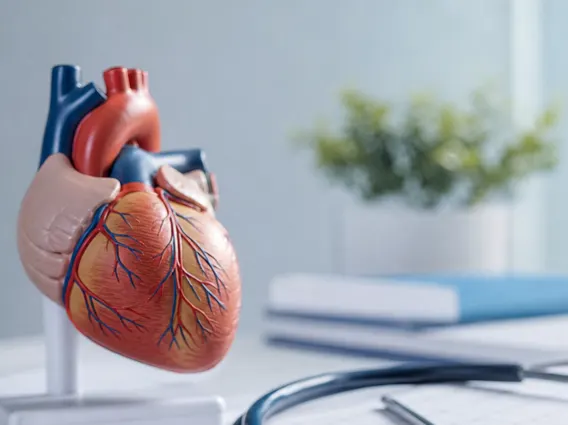
Cardiac causes, though less common for isolated palpitations, include arrhythmias (irregular heart rhythms), heart valve problems, heart muscle disease (cardiomyopathy), and coronary artery disease. According to the American Heart Association, while many cases are benign, it’s crucial to identify the root cause, especially if they are persistent or accompanied by other symptoms.
Symptoms and When to Worry About Palpitations
Recognizing the symptoms of heart palpitations is key to understanding when medical attention might be necessary. These sensations can manifest in various ways, including a feeling that your heart is skipping a beat, a fluttering or “flip-flopping” sensation in your chest, a rapid or racing heartbeat, a pounding or thumping in your chest or neck, feeling lightheaded or dizzy, or shortness of breath.
While many palpitations are benign and resolve on their own, there are specific situations when to worry about palpitations and seek immediate medical evaluation. It is advisable to consult a doctor if your palpitations are frequent, worsen, or are accompanied by any of the following symptoms:
- Chest pain or discomfort
- Severe shortness of breath
- Dizziness or lightheadedness
- Fainting or near-fainting spells
- Unusual sweating
- Palpitations that occur with no apparent trigger or during rest
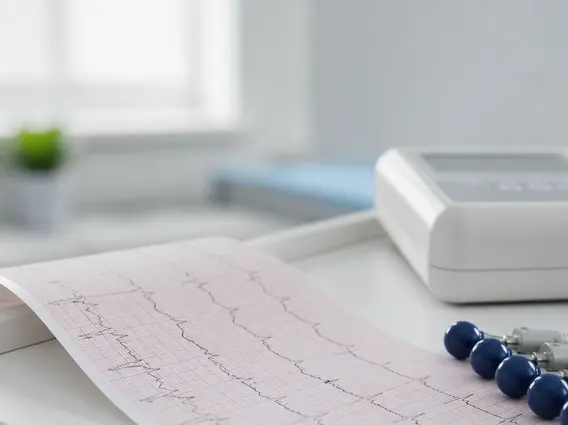
These accompanying symptoms could indicate a more serious underlying heart condition that requires prompt diagnosis and treatment. A healthcare professional can perform tests like an electrocardiogram (ECG) or Holter monitor to assess heart rhythm and determine the cause.