Pah
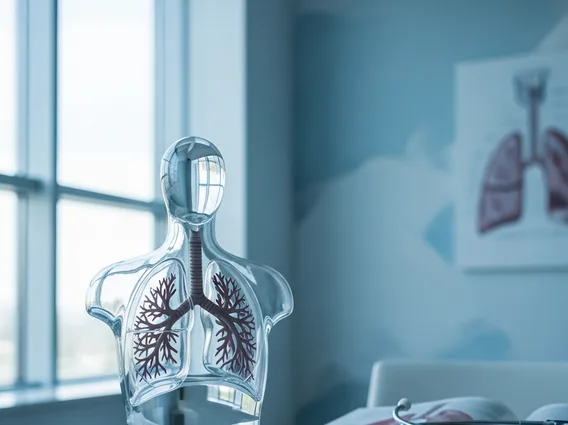
Pah, often recognized in the medical context as an abbreviation, refers to a significant and complex clinical condition that impacts the circulatory system within the lungs. Understanding this term is crucial for patients, caregivers, and healthcare professionals alike, as it describes a specific form of high blood pressure affecting the arteries in the lungs and the right side of the heart.

Key Takeaways
- Pah is the acronym for Pulmonary Arterial Hypertension, a severe and progressive lung condition.
- It is characterized by abnormally high blood pressure in the arteries supplying the lungs, leading to increased strain on the heart.
- Early diagnosis and comprehensive management are vital for improving patient outcomes and quality of life.
- The condition can arise from various underlying causes, including genetic factors, certain diseases, or specific medications.
- Treatment strategies focus on managing symptoms, slowing disease progression, and improving pulmonary blood flow.
What is the Meaning of Pah?
Pah, or Pulmonary Arterial Hypertension (PAH), is a chronic and progressive medical condition characterized by abnormally high blood pressure in the arteries that carry blood from the heart to the lungs. This elevated pressure causes the walls of these arteries to thicken and narrow, making it harder for the heart to pump blood through them. Over time, this increased workload can weaken the right side of the heart, potentially leading to heart failure. Understanding the term Pah involves recognizing its profound impact on cardiovascular and respiratory health.
PAH is a rare disease, affecting an estimated 15 to 50 people per million worldwide, though prevalence can vary by region and specific population groups. According to the World Health Organization (WHO), PAH is classified into several groups based on its underlying causes, ranging from idiopathic (unknown cause) to those associated with connective tissue diseases, congenital heart defects, or certain drugs and toxins. The severity and progression of PAH can differ significantly among individuals, necessitating personalized treatment approaches. Early diagnosis is critical, as timely intervention can help manage symptoms and slow the progression of the disease, thereby improving the patient’s quality of life and prognosis.
Etymology and Usage of the Term Pah
The term “Pulmonary Arterial Hypertension” itself provides insight into the condition. “Pulmonary” refers to the lungs, “arterial” indicates involvement of the arteries, and “hypertension” denotes high blood pressure. While the abbreviation PAH has become standard in clinical settings, the full term describes the specific anatomical location and nature of the hypertension. The Etymology of the word Pah, when expanded to Pulmonary Arterial Hypertension, stems from Latin roots: pulmonarius (of the lungs), arteria (artery), and Greek hyper- (over) + tasis (stretching) for tension. This linguistic breakdown underscores the core physiological problem: excessive tension or pressure within the pulmonary arteries.
In medical practice, the usage of PAH is precise, distinguishing it from other forms of pulmonary hypertension (PH) which might have different causes or affect different parts of the pulmonary vasculature. For instance, PH can also be caused by left heart disease or lung diseases like COPD, but these are classified differently than PAH. The specific classification of PAH is crucial for guiding diagnosis and treatment. Clinicians use a range of diagnostic tools, including echocardiograms, right heart catheterization, and pulmonary function tests, to confirm a diagnosis of PAH and assess its severity. The Pah word definition and usage in a clinical context emphasizes the need for specialized care and targeted therapies aimed at dilating the pulmonary arteries and reducing the pressure within them.
Treatment for PAH often involves a combination of medications designed to relax and widen blood vessels, reduce blood pressure in the lungs, and improve the heart’s pumping ability. These medications can include:
- Prostacyclin pathway activators
- Endothelin receptor antagonists
- Phosphodiesterase-5 inhibitors
- Guanylate cyclase stimulators
In some cases, lung transplantation may be considered for patients with advanced disease who do not respond to other treatments. Ongoing research continues to explore new therapies and improve our Understanding the term Pah and its management, aiming to enhance the long-term outlook for individuals living with this challenging condition.