Oxidative Metabolism
Oxidative metabolism is a fundamental biological process that cells use to generate energy. It is crucial for sustaining life, powering everything from basic cellular functions to complex physiological activities.
Key Takeaways
- Oxidative metabolism is the primary pathway for cells to produce adenosine triphosphate (ATP), the body’s main energy currency.
- This complex process primarily occurs in the mitochondria and involves breaking down glucose, fatty acids, and amino acids.
- Key stages include the Krebs cycle (citric acid cycle) and oxidative phosphorylation via the electron transport chain.
- The efficiency of oxidative metabolism is vital for maintaining cellular function, tissue repair, and overall organismal health.
- Dysregulation of this metabolic pathway can contribute to various diseases, including metabolic disorders and certain cancers.
What is Oxidative Metabolism?
Oxidative Metabolism refers to the set of metabolic pathways that generate energy through the oxidation of nutrient molecules. This process is central to cellular respiration, where organic fuel molecules like glucose, fatty acids, and amino acids are systematically broken down in the presence of oxygen to produce adenosine triphosphate (ATP). ATP is the primary energy currency of the cell, essential for driving nearly all cellular activities, from muscle contraction to the synthesis of complex molecules. The overall oxidative metabolism definition function is to efficiently extract chemical energy from food sources and convert it into a usable form for the cell, primarily within the mitochondria.
The Process of Oxidative Metabolism Explained
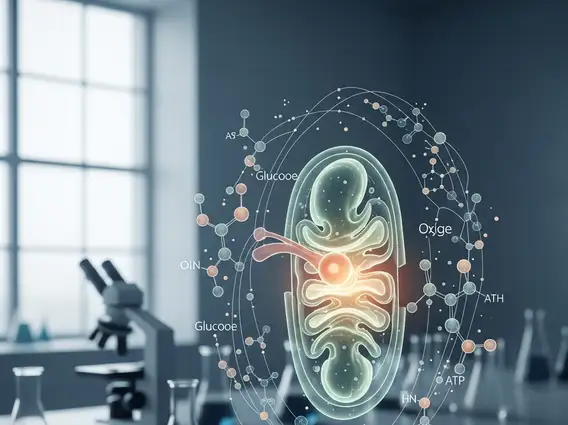
The process of oxidative metabolism involves a series of interconnected biochemical reactions, primarily taking place within the mitochondria of eukaryotic cells. It begins with the initial breakdown of fuel molecules, such as glucose from carbohydrates, into smaller compounds. For glucose, this initial step is glycolysis, which occurs in the cytoplasm and yields pyruvate. Pyruvate then enters the mitochondria, where it is converted into acetyl-CoA, a crucial molecule that feeds into the next major stage.
The subsequent stages are designed to extract electrons from these fuel molecules, which are then used to power ATP synthesis. These stages include:
- Krebs Cycle (Citric Acid Cycle): Acetyl-CoA enters this cyclical pathway, where it is completely oxidized, releasing carbon dioxide and generating electron carriers (NADH and FADH2).
- Electron Transport Chain: The electrons from NADH and FADH2 are passed along a series of protein complexes embedded in the inner mitochondrial membrane. This transfer of electrons releases energy, which is used to pump protons across the membrane, creating a proton gradient.
- Oxidative Phosphorylation: The potential energy stored in the proton gradient is then harnessed by ATP synthase, an enzyme that uses the flow of protons back into the mitochondrial matrix to synthesize large amounts of ATP from ADP and inorganic phosphate. This final step is where the majority of cellular ATP is produced.
Oxygen acts as the final electron acceptor in the electron transport chain, forming water. Without oxygen, this entire process would halt, leading to a severe energy deficit in the cell.
Role of Oxidative Metabolism in Cellular Function
Oxidative metabolism plays an indispensable role in maintaining the life and function of virtually all cells in the body. The ATP generated through this pathway fuels a vast array of cellular processes. For instance, it powers active transport mechanisms that move ions and molecules across cell membranes, maintains cellular volume, and enables nerve impulse transmission. In muscle cells, ATP is directly consumed for muscle contraction, allowing for movement and physical activity. Furthermore, the energy derived from oxidative metabolism is critical for the synthesis of macromolecules, including proteins, nucleic acids, and lipids, which are essential for cell growth, repair, and reproduction.
Beyond basic energy production, the efficiency and regulation of oxidative metabolism are vital for cellular homeostasis and adaptation to changing energy demands. Dysregulation of this pathway can have profound consequences, contributing to the development and progression of various diseases. For example, impaired oxidative metabolism is implicated in neurodegenerative disorders, cardiovascular diseases, and metabolic conditions like type 2 diabetes. In oncology, altered oxidative metabolism is a hallmark of many cancer cells, which often reprogram their metabolic pathways to support rapid proliferation and survival. Understanding and targeting oxidative metabolism is therefore a key area of research in medicine and biology.