Oxaliplatin
Oxaliplatin is a platinum-based chemotherapy drug widely used in the treatment of various cancers. It plays a crucial role in oncology by interfering with cancer cell growth and division.

Key Takeaways
- Oxaliplatin is a platinum-based chemotherapy drug primarily used for colorectal cancer.
- It works by damaging the DNA of cancer cells, preventing their replication and leading to cell death.
- Common side effects include neuropathy, nausea, vomiting, and fatigue.
- It is often administered intravenously in combination with other chemotherapy agents.
What is Oxaliplatin and What is it Used For?
Oxaliplatin is an antineoplastic agent belonging to the class of platinum compounds, specifically a third-generation platinum derivative. It is a key component of many chemotherapy regimens, particularly for gastrointestinal cancers. Oxaliplatin is primarily used for the treatment of advanced colorectal cancer, both in the adjuvant setting (after surgery to prevent recurrence) and for metastatic disease.
It is often combined with fluoropyrimidines (such as 5-fluorouracil and leucovorin) in regimens like FOLFOX (folinic acid, 5-fluorouracil, and oxaliplatin) or CAPOX/XELOX (capecitabine and oxaliplatin). This Oxaliplatin chemotherapy information highlights its role in improving survival rates and disease-free intervals for patients. Its broad spectrum of activity makes it a versatile tool in cancer therapy, and it is also investigated and sometimes used in other cancer types, including:
- Pancreatic cancer
- Gastric cancer
- Esophageal cancer
- Ovarian cancer (in certain contexts)
How Does Oxaliplatin Work?
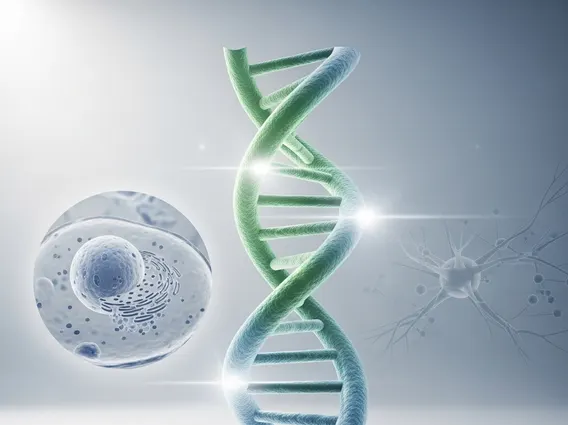
Oxaliplatin exerts its cytotoxic effects by forming cross-links within DNA strands, thereby inhibiting DNA replication and transcription in cancer cells. This mechanism of action is similar to other platinum-based drugs like cisplatin and carboplatin, but with a distinct chemical structure that gives it a different spectrum of activity and toxicity profile. The platinum atom in Oxaliplatin binds to the N7 position of guanine bases in DNA, leading to the formation of intra-strand and inter-strand DNA adducts. These adducts distort the DNA helix, preventing enzymes involved in DNA synthesis and repair from functioning correctly. Ultimately, this DNA damage triggers programmed cell death (apoptosis) in rapidly dividing cancer cells, while having less impact on healthy, slower-dividing cells.
Oxaliplatin Side Effects
Like all chemotherapy drugs, Oxaliplatin can cause a range of side effects, which vary in severity and frequency among individuals. The most common and characteristic side effect is peripheral neuropathy, which can manifest as tingling, numbness, pain, or sensitivity to cold, especially in the hands and feet. This neuropathy can be acute (occurring during or shortly after infusion) or chronic (developing over time and potentially persisting after treatment).
Other common Oxaliplatin side effects include:
- Nausea and vomiting, often managed with antiemetic medications.
- Fatigue, ranging from mild to severe.
- Diarrhea or constipation.
- Myelosuppression, leading to reduced blood cell counts (e.g., anemia, neutropenia, thrombocytopenia), increasing the risk of infection and bleeding.
- Mucositis (inflammation of the mucous membranes, particularly in the mouth and gastrointestinal tract).
- Liver enzyme elevation.
- Allergic reactions, which can be severe, though less common.
Patients receiving Oxaliplatin are closely monitored for these adverse effects, and supportive care is provided to manage symptoms and maintain quality of life throughout treatment.