Ovarian Insufficiency
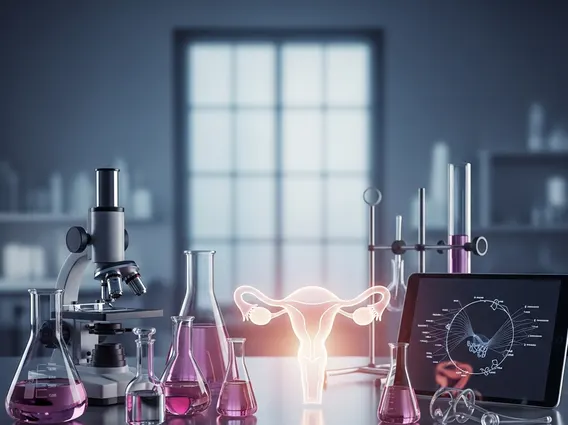
Ovarian Insufficiency is a complex medical condition affecting reproductive health and overall well-being. This article explores its definition, common symptoms, underlying causes, and available treatment strategies.

Key Takeaways
- Ovarian Insufficiency (OI) is a condition where ovaries stop functioning normally before age 40, leading to reduced estrogen and irregular or absent periods.
- Common symptoms include irregular periods, hot flashes, night sweats, and difficulty conceiving, often mimicking menopause.
- Causes range from genetic factors and autoimmune diseases to environmental influences and medical treatments like chemotherapy.
- Diagnosis involves hormone level tests, and management focuses on hormone replacement therapy and addressing fertility concerns.
- Treatment aims to alleviate symptoms, prevent long-term complications, and support reproductive goals where possible.
What is Ovarian Insufficiency (OI)?
Ovarian Insufficiency (OI), also known as primary ovarian insufficiency (POI), is a condition where a woman’s ovaries stop working normally before she is 40 years old. This means the ovaries do not produce normal amounts of estrogen or release eggs regularly, leading to irregular or absent menstrual periods. While it shares some characteristics with menopause, OI is distinct because ovarian function can sometimes be intermittent, and pregnancy is still possible, though rare. It affects approximately 1% of women under 40 and 0.1% of women under 30, according to the American College of Obstetricians and Gynecologists (ACOG).
The condition is diagnosed based on a combination of clinical symptoms, such as irregular periods for at least four months, and elevated follicle-stimulating hormone (FSH) levels on two separate occasions, typically more than 40 mIU/mL. Understanding Ovarian Insufficiency is crucial for early diagnosis and management, as it impacts not only fertility but also long-term health due to reduced estrogen levels.
Symptoms and Causes of Ovarian Insufficiency
Recognizing the symptoms of ovarian insufficiency is vital for timely diagnosis. These symptoms often resemble those of natural menopause, but they occur in younger women. The most common indicator is irregular or skipped menstrual periods, which may eventually cease entirely. Other symptoms are related to declining estrogen levels and can significantly impact quality of life:
- Hot flashes and night sweats
- Vaginal dryness and painful intercourse
- Irritability or mood swings
- Difficulty concentrating or “brain fog”
- Decreased libido
- Fatigue
- Bone density loss (osteoporosis risk)
- Infertility or difficulty conceiving
The causes of ovarian insufficiency are diverse and, in many cases, remain unknown (idiopathic). Genetic factors play a significant role, with conditions like Turner syndrome (monosomy X) or fragile X syndrome being common culprits. Autoimmune diseases, where the body’s immune system mistakenly attacks ovarian tissue, are another major category. These can include autoimmune thyroiditis, Addison’s disease, and systemic lupus erythematosus.
Other potential causes include medical treatments such as chemotherapy and radiation therapy for cancer, which can damage ovarian follicles. Environmental toxins, certain viral infections (like mumps oophoritis), and surgical removal of the ovaries (oophorectomy) can also lead to OI. In about 90% of cases, the exact cause cannot be identified, highlighting the complexity of this condition.
Ovarian Insufficiency Treatment Options
Managing Ovarian Insufficiency treatment options primarily focuses on two key areas: alleviating symptoms caused by estrogen deficiency and addressing fertility concerns. The cornerstone of treatment is hormone replacement therapy (HRT), which involves taking estrogen and progestin. HRT helps to restore hormone levels, reduce menopausal-like symptoms such as hot flashes and vaginal dryness, and, critically, protect against long-term complications like osteoporosis and cardiovascular disease, which are elevated risks due to prolonged low estrogen.
For women desiring pregnancy, treatment options are more limited. While spontaneous pregnancy can occur in a small percentage of women with OI (around 5-10%), assisted reproductive technologies (ART) such as in vitro fertilization (IVF) using donor eggs are often the most viable path to conception. Counseling and psychological support are also crucial components of care, helping women cope with the emotional and psychological impact of the diagnosis, particularly concerning fertility challenges.
It is important to note that while some complementary therapies may offer supportive benefits for general well-being, they do not replace conventional medical treatment for Ovarian Insufficiency. Any decisions regarding treatment should be made in consultation with a healthcare provider to ensure safety and efficacy.