Onconase
Onconase is a unique ribonuclease derived from the oocytes of the Northern Leopard Frog (Rana pipiens), currently under investigation for its potential therapeutic applications, particularly in oncology. Its distinctive properties make it a subject of significant interest in the development of novel anticancer strategies.

Key Takeaways
- Onconase is a naturally occurring ribonuclease found in the Northern Leopard Frog.
- It exhibits selective cytotoxicity, primarily targeting and inducing programmed cell death in cancer cells.
- Its mechanism involves the degradation of various RNA molecules within cancer cells, disrupting protein synthesis.
- Extensive Onconase drug research and clinical trials are exploring its efficacy in treating various cancers.
- The agent holds promise as a novel therapeutic, particularly for cancers with limited treatment options.
What is Onconase and How Does it Work?
Onconase refers to a specific type of ribonuclease, an enzyme that catalyzes the degradation of RNA. Isolated from the oocytes of the Northern Leopard Frog, it stands out due to its remarkable ability to selectively enter and destroy cancer cells while largely sparing healthy ones. This selectivity is a crucial characteristic that distinguishes it from many conventional chemotherapeutic agents, which often cause significant collateral damage to healthy tissues.
The mechanism by which Onconase exerts its cytotoxic effects is complex but well-studied. Upon entering a cancer cell, the enzyme targets and cleaves various types of RNA, including transfer RNA (tRNA), ribosomal RNA (rRNA), and messenger RNA (mRNA). This widespread degradation of RNA molecules leads to a profound disruption of protein synthesis, which is essential for cell survival and proliferation. Without the ability to produce necessary proteins, cancer cells are unable to maintain their functions, eventually leading to apoptosis, or programmed cell death. The unique structure of Onconase allows it to evade cellular inhibitors that typically neutralize ribonucleases, enabling it to effectively carry out its function within the hostile intracellular environment of a cancer cell.
The specific enzymatic activity and cellular uptake mechanisms underscore the significant Onconase protein function and applications. Its ability to selectively target and induce apoptosis in malignant cells highlights its potential as a therapeutic agent. Research indicates that Onconase is internalized by cancer cells through receptor-mediated endocytosis, a process that is often upregulated in cancerous tissues. Once inside, its resistance to RNase inhibitors allows it to efficiently degrade RNA, leading to the observed anticancer effects.
Key aspects of Onconase’s mechanism include:
- Selective Uptake: Preferentially enters cancer cells over healthy cells.
- RNA Degradation: Cleaves various RNA types, including tRNA, rRNA, and mRNA.
- Protein Synthesis Inhibition: Disrupts the cell’s ability to produce essential proteins.
- Apoptosis Induction: Triggers programmed cell death in targeted cancer cells.
- Immune Evasion: Resists cellular RNase inhibitors, allowing sustained activity.
Onconase in Cancer Treatment: Research and Clinical Trials
The exploration of Onconase as a therapeutic agent has been a significant area of oncology research for several decades. Its unique properties have positioned it as a candidate for treating various malignancies, particularly those that are resistant to conventional therapies. Onconase drug research and clinical trials have focused on evaluating its safety, efficacy, and optimal dosing in human patients. Early preclinical studies demonstrated its potent anticancer activity against a broad spectrum of human cancer cell lines, paving the way for human trials.
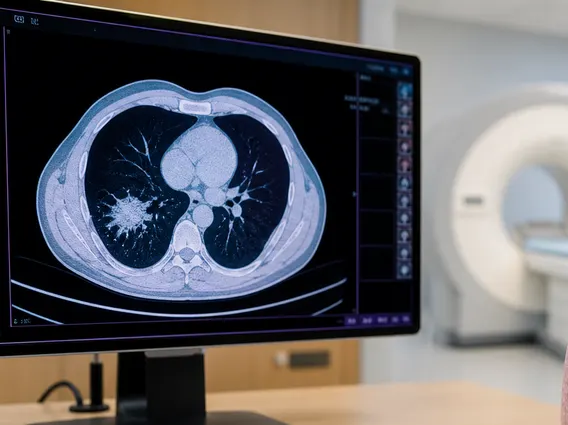
Clinical investigations have explored Onconase potential in cancer treatment across several types of cancer. Notably, it has been studied in patients with malignant mesothelioma, a rare and aggressive cancer with limited treatment options. Results from some studies have indicated a survival benefit in certain patient populations, either as a monotherapy or in combination with other chemotherapeutic agents. Research has also extended to other cancers, including pancreatic cancer and non-small cell lung cancer, where its distinct mechanism of action offers a novel approach to therapy. These trials typically progress through phases, starting with Phase I to assess safety and dosage, followed by Phase II to evaluate efficacy, and potentially Phase III for broader comparison against existing treatments.
Despite promising results in some areas, the development of Onconase, like many novel anticancer agents, faces challenges. These include optimizing delivery methods, managing potential side effects, and identifying specific patient populations most likely to benefit from the treatment. However, the ongoing research underscores the critical need for new therapeutic strategies in oncology. Cancer remains a leading cause of death worldwide, with the World Health Organization (WHO) reporting millions of deaths annually, highlighting the urgent demand for innovative treatments like Onconase to improve patient outcomes.
It is important to note that information regarding investigational drugs like Onconase is for supportive purposes only and does not replace professional medical advice or treatment. Patients should always consult with their healthcare providers regarding their specific medical conditions and treatment options.