Olfactory System
The Olfactory System is a crucial sensory system responsible for our sense of smell. It plays a vital role in detecting odors, influencing taste perception, and triggering memories and emotions.
Key Takeaways
- The Olfactory System is the sensory network responsible for detecting and interpreting smells.
- It involves specialized cells in the nasal cavity and dedicated brain regions for processing olfactory information.
- The sense of smell significantly impacts taste, appetite, and can trigger strong emotional responses and memories.
- Disorders of the olfactory system can range from complete loss of smell (anosmia) to distorted perception.
- Understanding its function is essential for diagnosing and treating related medical conditions.
What is the Olfactory System?
The Olfactory System is the sensory system used for the sense of smell, or olfaction. It allows organisms to detect and identify volatile chemicals in the environment, which are perceived as odors. This intricate system is fundamental for various biological functions, including identifying food, detecting danger (like smoke or spoiled food), and social communication. It begins in the nasal cavity and extends to specialized areas within the brain, where olfactory information is processed and interpreted.
Anatomy and Function of the Sense of Smell
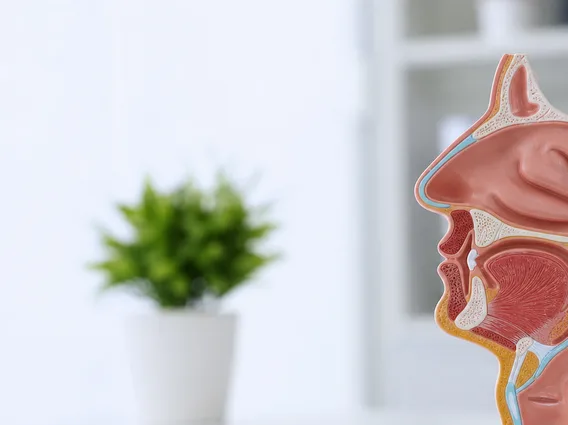
Understanding how does the sense of smell work involves exploring its complex anatomical structures and their coordinated functions. The process begins when airborne odor molecules enter the nasal cavity and dissolve in the mucus lining the olfactory epithelium. This specialized tissue, located in the upper part of the nasal cavity, contains millions of olfactory receptor neurons. Each neuron has hair-like projections called cilia that extend into the mucus layer and bind to specific odor molecules. This binding is highly selective, allowing the system to differentiate a vast array of scents.
Upon binding, these receptors generate electrical signals that travel along the olfactory nerves, passing through tiny openings in the cribriform plate of the ethmoid bone, and synapsing in the olfactory bulb. The olfactory bulb, a key structure located at the base of the brain, acts as a primary processing center. It organizes and amplifies these signals before relaying them via the olfactory tract to various brain regions. These regions include the primary olfactory cortex, which is responsible for conscious perception of smell, as well as the amygdala and hippocampus, which explain the strong connection between smell, memory, and emotion. This comprehensive understanding of olfactory system anatomy and function highlights the intricate journey of an odor from the environment to conscious perception and its profound influence on our psychological state.
- Olfactory Epithelium: The primary sensory tissue in the nasal cavity, housing olfactory receptor neurons.
- Olfactory Receptor Neurons: Specialized bipolar neurons that detect and transduce chemical signals into electrical impulses.
- Olfactory Bulb: A neural structure in the forebrain that receives and processes information from the olfactory receptor neurons.
- Olfactory Tract: A bundle of axons that transmits olfactory information from the olfactory bulb to higher brain centers.
- Cortical Areas: Including the piriform cortex (primary olfactory cortex), entorhinal cortex, amygdala, and hippocampus, which are involved in odor identification, memory, and emotional responses.
Common Diseases and Disorders of the Olfactory System
A range of conditions can affect the sense of smell, leading to significant impacts on quality of life, appetite, and safety. These diseases of the olfactory system can manifest as a complete loss of smell (anosmia), a reduced ability to smell (hyposmia), or distorted perception of odors (dysosmia), which includes phantom smells (phantosmia) or altered perception of existing smells (parosmia). The inability to detect smoke, gas leaks, or spoiled food poses serious safety risks, while the diminished enjoyment of food can lead to poor nutrition and weight loss.
Causes of olfactory disorders are diverse and can include:
- Nasal and Sinus Conditions: Chronic sinusitis, nasal polyps, or severe allergic rhinitis can physically block odor molecules.
- Head Injuries: Trauma can sever olfactory nerves or damage the olfactory bulb.
- Viral Infections: Respiratory viruses, including influenza and coronaviruses (e.g., SARS-CoV-2), are known causes of olfactory dysfunction. The Centers for Disease Control and Prevention (CDC) reported a substantial percentage of SARS-CoV-2 infected individuals experienced changes in smell.
- Neurological Conditions: Olfactory dysfunction is often an early symptom of neurodegenerative diseases like Parkinson’s and Alzheimer’s.
- Exposure to Toxins: Prolonged exposure to certain chemicals or heavy metals can damage olfactory pathways.
- Medications: Some drugs, including certain antibiotics and antihistamines, can impair the sense of smell as a side effect.
- Aging: The natural decline in smell with age is known as presbyosmia.
Diagnosis typically involves a thorough medical history, physical examination, and specialized smell identification tests. Imaging studies like MRI or CT scans may identify structural abnormalities. Treatment strategies depend on the underlying cause and may include medication, surgery, or olfactory training.