Olfaction
Olfaction, commonly known as the sense of smell, is a fundamental chemosensory process crucial for human interaction with the environment. It involves the detection and interpretation of volatile chemical compounds, playing a vital role in taste perception, hazard identification, and emotional responses.

Key Takeaways
- Olfaction is the medical term for the sense of smell, enabling the detection of airborne chemical molecules called odorants.
- It significantly influences taste, memory, and the detection of environmental dangers.
- The human olfactory system can differentiate thousands of distinct smells.
- The process begins with odorants binding to specialized receptors in the nasal cavity.
- These signals are then transmitted to the brain for complex interpretation and perception.
What is Olfaction?
Olfaction refers to the physiological process underlying the sense of smell. It is one of the primary senses, allowing individuals to perceive and identify airborne chemical compounds, known as odorants. This intricate sensory capability is essential for numerous aspects of daily life, deeply influencing our perception of flavor, triggering memories, and even guiding social behaviors. Beyond simply detecting pleasant or unpleasant odors, a robust sense of smell is critical for safety, enabling the detection of potential hazards such as smoke, gas leaks, or spoiled food. The scientific understanding of smell reveals it as a complex interplay between chemical stimuli and neurological interpretation, far more nuanced than often perceived. It is estimated that humans can distinguish over a trillion different scents, a testament to the complexity and sensitivity of this sensory pathway.
How the Olfactory System Functions
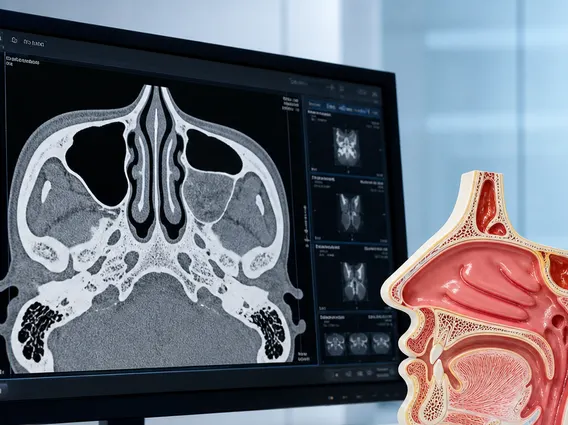
The intricate process of human smell begins when odorant molecules are inhaled and travel into the nasal cavity. Here, they encounter the olfactory epithelium, a specialized tissue located high within the nose. This epithelium contains millions of olfactory receptor neurons, each possessing unique receptors designed to bind with specific odorant shapes. Upon binding, a biochemical reaction is initiated within the neuron, generating an electrical signal.
These electrical signals are then transmitted along the axons of the olfactory receptor neurons. These axons converge to form the olfactory nerve, which passes through the cribriform plate, a perforated bone, into the brain. The nerve fibers then synapse in the olfactory bulb, a structure at the base of the brain where initial processing and organization of olfactory information occur. Within the olfactory bulb, signals from similar receptors are grouped into distinct areas called glomeruli, refining the incoming information.
From the olfactory bulb, the refined signals are relayed to various brain regions for further interpretation:
- Primary Olfactory Cortex: Directly processes the conscious perception of an odor.
- Amygdala and Hippocampus: These limbic system structures integrate smell with emotions and memories, explaining why certain scents can evoke powerful recollections or feelings.
- Hypothalamus: Connects olfactory input with physiological responses, such as appetite regulation and hormonal release.
This comprehensive explanation of the olfactory system’s function illustrates how chemical stimuli are meticulously converted into distinct and meaningful perceptions. The brain’s capacity to integrate these diverse signals enables the identification of an immense spectrum of smells, from the subtle fragrance of a rose to the sharp scent of cleaning agents. This efficient system ensures rapid detection and interpretation of environmental cues, contributing significantly to an individual’s interaction with their surroundings. This intricate network allows for the differentiation of thousands of unique odorants, each contributing to our rich sensory experience.