Nasoscope
A nasoscope is a specialized medical instrument used by healthcare professionals to visually examine the nasal cavity, nasopharynx, and surrounding structures. This procedure, known as nasoscopy or nasal endoscopy, provides a detailed view that is not possible with traditional examination methods.
Key Takeaways
- A Nasoscope is a medical device for detailed visual examination of the nasal passages and nasopharynx.
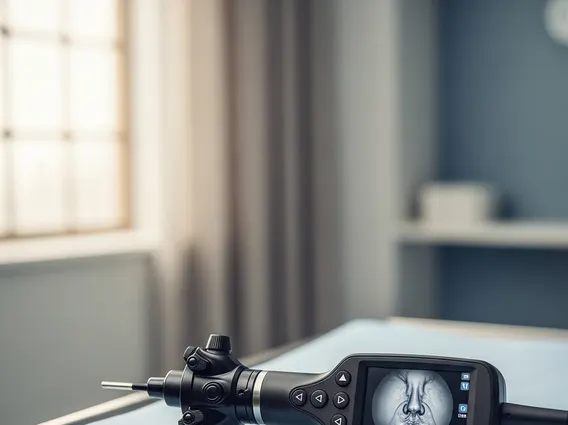
- It utilizes a thin, flexible or rigid tube with a light source and camera to provide real-time images.
- The procedure is minimally invasive and often performed in an outpatient setting.
- Nasoscope uses and procedures include diagnosing conditions like sinusitis, polyps, and tumors, as well as guiding minor interventions.
- The benefits of nasoscope examination include enhanced diagnostic accuracy and early detection of various nasal and sinus pathologies.
What is a Nasoscope?
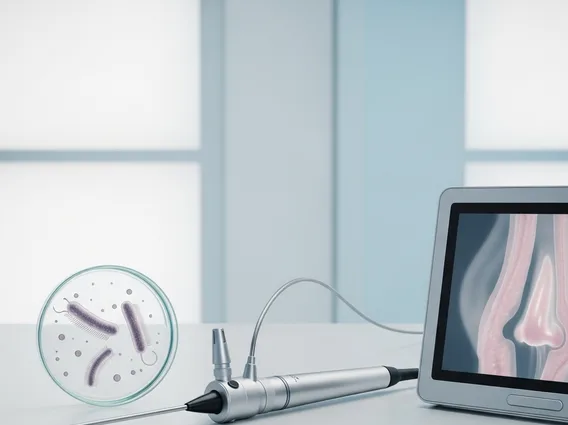
A Nasoscope refers to a medical endoscope specifically designed for the examination of the nasal cavity and nasopharynx. This instrument consists of a thin, rigid or flexible tube equipped with a light source, a camera, and sometimes working channels for instruments. It allows clinicians to obtain a magnified, illuminated view of the intricate anatomy of the nasal passages, including the turbinates, septum, and the openings of the paranasal sinuses, as well as the posterior nasal space (nasopharynx).
The device transmits real-time images to a monitor, enabling the practitioner to thoroughly inspect the mucous membranes, identify anatomical variations, inflammation, polyps, foreign bodies, and other abnormalities. Its precision and clarity are crucial for accurate diagnosis and effective treatment planning in otolaryngology.
How a Nasoscope Works and Its Clinical Applications
A nasoscope works by being gently inserted into the nasal passage, allowing its integrated light source to illuminate the internal structures and the camera to capture high-resolution images. These images are then displayed on a screen, providing the clinician with a clear, magnified view of the nasal cavity and nasopharynx. The procedure is typically performed in an outpatient setting, often with the application of a topical decongestant and local anesthetic to ensure patient comfort.
The primary nasoscope uses and procedures encompass a wide range of diagnostic and therapeutic applications. These include:
- Diagnosis of Nasal and Sinus Conditions: Identifying the presence of chronic sinusitis, nasal polyps, deviated septum, turbinate hypertrophy, and allergic rhinitis.
- Evaluation of Epistaxis (Nosebleeds): Pinpointing the exact source of bleeding, especially in cases of recurrent or severe nosebleeds.
- Detection of Foreign Bodies: Locating and sometimes assisting in the removal of objects lodged in the nasal passages, particularly common in pediatric patients.
- Assessment of Tumors and Growths: Visualizing suspicious lesions, masses, or tumors within the nasal cavity or nasopharynx, and guiding biopsies for pathological analysis.
- Post-Operative Monitoring: Evaluating the healing process and identifying potential complications after nasal or sinus surgery.
- Investigation of Voice Changes or Swallowing Difficulties: Examining the nasopharynx for structural issues that might contribute to these symptoms.
According to the American Academy of Otolaryngology—Head and Neck Surgery, nasal endoscopy is a standard diagnostic tool for persistent nasal and sinus symptoms, significantly improving diagnostic accuracy compared to traditional anterior rhinoscopy.
Benefits of Nasoscope Examination
The benefits of nasoscope examination are significant for both patients and healthcare providers, offering a superior method for evaluating nasal and sinus health. One of the foremost advantages is the ability to provide direct and highly detailed visualization of the nasal and nasopharyngeal anatomy. This enhanced clarity allows for the precise identification of subtle abnormalities that might otherwise be missed, leading to more accurate diagnoses.
Furthermore, nasoscopy is a minimally invasive procedure, typically causing minimal discomfort to the patient. It can often be performed quickly in a clinic setting, avoiding the need for more invasive surgical exploration. This contributes to earlier detection of various conditions, from inflammatory diseases to potentially malignant growths, facilitating timely intervention and improved patient outcomes. The real-time imaging also allows for patient education, as individuals can often view the findings alongside their doctor, fostering a better understanding of their condition and treatment plan.