Nasopharynx
The nasopharynx is a crucial anatomical region located at the back of the nasal cavity, playing a vital role in both the respiratory and auditory systems. Understanding its structure and function is essential for comprehending various health conditions affecting the upper airway.
Key Takeaways
- The nasopharynx is the uppermost part of the pharynx, situated directly behind the nasal cavity.
- It serves as an exclusive passageway for air and helps regulate middle ear pressure.
- Key structures include the adenoids, which contribute to immune defense, and the openings of the Eustachian tubes.
- Its strategic location makes it susceptible to infections, inflammation, and other medical conditions.
- Proper functioning of the nasopharynx is critical for clear breathing and healthy hearing.
What is the Nasopharynx?
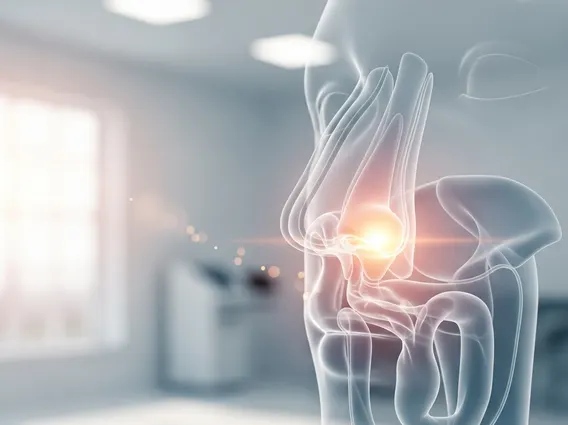
The Nasopharynx is the superior-most portion of the pharynx, or throat, situated directly behind the nasal cavity and above the soft palate. It forms a critical junction in the upper respiratory tract, acting primarily as an air passage. The nasopharynx definition and purpose centers on its role in allowing inhaled air to pass from the nasal cavity down into the oropharynx and larynx. This region is exclusively for air passage, and the soft palate elevates during swallowing to prevent food and liquids from entering the nasal passages, thus maintaining its respiratory function.
Where is the Nasopharynx Located?
The nasopharynx extends from the base of the skull, specifically the sphenoid bone, down to the level of the soft palate. Its anterior boundary opens into the nasal cavity through two posterior openings called the choanae. Inferiorly, it communicates with the oropharynx, while laterally, it contains the openings of the Eustachian tubes, which connect to the middle ear. This strategic placement makes it a key area for immune surveillance and pressure regulation within the ear, influencing both respiratory and auditory health.
Anatomy and Function of the Nasopharynx
The nasopharynx anatomy and function are intricately linked, highlighting its multifaceted role in maintaining respiratory health and auditory equilibrium. Anatomically, it is lined with pseudostratified ciliated columnar epithelium, similar to the nasal cavity. This specialized lining, with its cilia and mucus-producing goblet cells, helps to trap particulate matter and pathogens, moving them towards the oropharynx to be swallowed and neutralized by stomach acid.
Key anatomical features and their associated functions include:
- Adenoids (Pharyngeal Tonsils): These are masses of lymphoid tissue located on the posterior wall of the nasopharynx. They are a crucial component of the immune system, particularly in childhood, trapping pathogens that enter through the nose and initiating an immune response. Enlarged adenoids can obstruct airflow, leading to chronic mouth breathing, snoring, and potentially sleep apnea.
- Eustachian Tube Openings: Situated on the lateral walls, these openings connect the nasopharynx to the middle ear. Their primary function is to equalize air pressure between the middle ear and the external atmosphere, which is essential for proper vibration of the eardrum and clear hearing. Dysfunction can lead to middle ear infections (otitis media) and temporary hearing impairment.
- Pharyngeal Recess (Fossa of Rosenmüller): A small depression located posterior to the Eustachian tube opening. While not directly functional in respiration or hearing, it is clinically significant as a common site for the development of nasopharyngeal carcinoma, a type of head and neck cancer.
Functionally, beyond air passage and immune defense, the nasopharynx plays a vital role in maintaining the health of the middle ear. The coordinated action of the cilia, mucus, and lymphoid tissue ensures that inhaled air is cleaned and humidified before reaching the lower respiratory tract. According to the World Health Organization (WHO), acute respiratory infections, often involving the upper airway, remain a significant global health concern, emphasizing the importance of understanding and protecting structures like the nasopharynx.