Nasal Cavity
The nasal cavity is a vital anatomical structure located within the skull, serving as the primary entry point for air into the respiratory system. It plays a crucial role in preparing inhaled air for the lungs and is essential for our sense of smell.
Key Takeaways
- The Nasal Cavity is the initial segment of the respiratory tract, responsible for air intake and processing.
- Its complex anatomy, including turbinates and mucous membranes, filters, warms, and humidifies inhaled air.
- Key functions include olfaction (sense of smell), air conditioning, and providing resonance for speech.
- Common issues range from allergies and infections like sinusitis to structural problems such as a deviated septum.
- Maintaining nasal health is crucial for overall respiratory well-being and preventing complications.
What is the Nasal Cavity?
The Nasal Cavity refers to the large, air-filled space above and behind the nose in the middle of the face. It extends from the nostrils (nares) in the front to the nasopharynx in the back. This intricate structure is divided into two halves by the nasal septum, a wall made of bone and cartilage. Its primary role is to act as the first line of defense and preparation for the air we breathe, ensuring it is suitable for the delicate tissues of the lungs.
Anatomy and Function of the Nasal Cavity
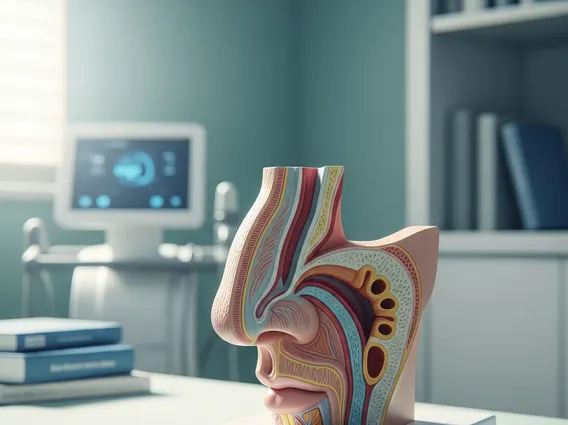
The Anatomy of the human nasal cavity is remarkably complex, designed to perform multiple critical functions. It is lined with a specialized mucous membrane containing cilia and goblet cells. Key structures include:
- Nostrils (Nares): The external openings through which air enters.
- Nasal Septum: Divides the cavity into left and right passages.
- Conchae (Turbinates): Three bony shelves (superior, middle, inferior) that project into the nasal cavity, increasing surface area and creating turbulent airflow.
- Olfactory Epithelium: Located in the superior part of the nasal cavity, containing receptors for the sense of smell.
- Paranasal Sinuses: Air-filled cavities surrounding the nasal cavity (frontal, ethmoid, sphenoid, maxillary) that drain into it.
The nasal cavity works as a sophisticated air conditioning system. As air enters, it is immediately warmed by the rich blood supply in the mucous membranes and humidified by the moisture released from these membranes. The turbulent flow created by the turbinates ensures that air comes into contact with the mucous lining, where particles, dust, and pathogens are trapped by mucus and then swept towards the throat by the cilia for swallowing or expulsion. This process is vital for protecting the lower respiratory tract from irritants and infections. Furthermore, the olfactory epithelium allows for the detection of odors, playing a significant role in taste perception and detecting potential dangers in the environment.
Common Problems Affecting the Nasal Cavity
Common problems affecting the nasal cavity can significantly impact breathing, sense of smell, and overall quality of life. These issues can range from acute infections to chronic inflammatory conditions or structural abnormalities. According to the Centers for Disease Control and Prevention (CDC), allergic rhinitis, often referred to as hay fever, affects millions of people annually, causing symptoms like sneezing, congestion, and a runny nose due to inflammation of the nasal lining.
Other prevalent conditions include:
- Sinusitis: Inflammation or infection of the paranasal sinuses, often leading to facial pain, pressure, and nasal discharge. It can be acute or chronic, with chronic sinusitis affecting approximately 28.9 million adults in the U.S. in 2018, as reported by the CDC.
- Nasal Polyps: Non-cancerous, soft, painless growths on the lining of the nasal passages or sinuses, which can block airflow and reduce the sense of smell.
- Deviated Septum: A condition where the nasal septum is displaced to one side, making one nasal passage smaller than the other and potentially causing breathing difficulties.
- Epistaxis (Nosebleeds): Common occurrences often due to dry air, trauma, or underlying medical conditions, involving bleeding from the nasal lining.
- Rhinitis (Non-allergic): Chronic inflammation of the nasal lining not caused by allergies, often triggered by irritants, weather changes, or certain medications.
Addressing these problems often involves medical consultation, as treatments can range from medications (antihistamines, corticosteroids) to surgical interventions, depending on the specific condition and its severity. It is important to seek professional medical advice for persistent or severe nasal symptoms.