Glossectomy
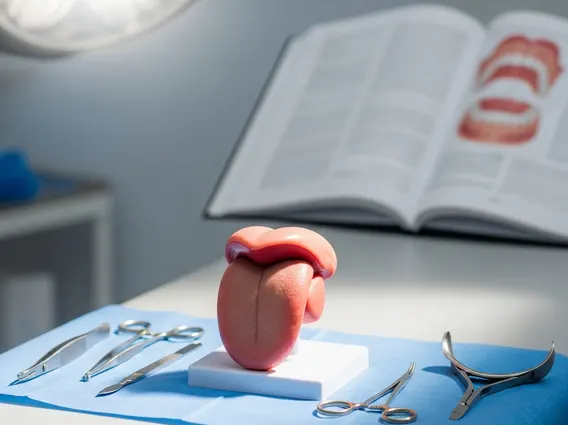
Glossectomy is a surgical procedure involving the partial or complete removal of the tongue. This intervention is primarily performed to treat various medical conditions, most commonly oral cancer, and aims to remove diseased tissue while preserving as much function as possible.
Key Takeaways
- Glossectomy is the surgical removal of part or all of the tongue, primarily for oral cancer treatment.
- The procedure can range from partial to total removal, depending on the extent of the disease.
- Reasons for surgery include oral cancer, severe trauma, or certain congenital conditions.
- Recovery involves managing pain, nutrition (often via feeding tube), and intensive rehabilitation for speech and swallowing.
- Patients often require long-term support, including speech and swallowing therapy, to adapt to changes in communication and eating.
What is Glossectomy: Procedure and Reasons for Surgery
Glossectomy refers to the surgical removal of a portion or the entirety of the tongue. This procedure is a critical intervention, primarily undertaken to treat malignant tumors of the tongue, which are a common form of oral cancer. The extent of the surgery, known as a glossectomy procedure, varies significantly based on the size, location, and invasiveness of the tumor or the severity of the condition being treated.
The procedure can be categorized into several types:
- Partial Glossectomy: Involves the removal of a small part of the tongue. This is often performed for smaller, localized tumors.
- Hemiglossectomy: Entails the removal of one side (half) of the tongue.
- Subtotal Glossectomy: Involves the removal of more than half but not the entire tongue.
- Total Glossectomy: The complete removal of the tongue. This is a rare and extensive procedure, typically reserved for very large or widespread cancers.
The primary reasons for glossectomy surgery are often life-saving. Oral cancer is the most common indication, with the tongue being a frequent site for squamous cell carcinoma. According to the World Health Organization (WHO) Global Cancer Observatory (GLOBOCAN) 2020 estimates, oral cancer accounts for approximately 3% of all cancers globally, highlighting the importance of surgical interventions like glossectomy in its management. Other less common reasons may include severe trauma to the tongue, certain benign but aggressive tumors, or congenital anomalies that significantly impair function and cannot be corrected by less invasive means.
Glossectomy Recovery, Side Effects, and Life After Surgery
The period immediately following a glossectomy, including the glossectomy recovery time and side effects, is often challenging and requires comprehensive medical care. Patients typically experience significant pain, which is managed with medication, and may require a tracheostomy (a temporary opening in the windpipe) to ensure airway patency, especially after extensive procedures. Nutrition is usually provided through a nasogastric tube or a percutaneous endoscopic gastrostomy (PEG) tube for several weeks or months, as swallowing can be severely impaired.
Potential side effects of glossectomy can significantly impact a patient’s quality of life. These can include:
| Side Effect | Impact | Rehabilitation/Management |
|---|---|---|
| Difficulty Speaking (Dysarthria) | Speech may be slurred, difficult to understand, or absent. | Intensive speech therapy, alternative communication methods. |
| Difficulty Swallowing (Dysphagia) | Inability to chew or move food effectively, risk of aspiration. | Swallowing therapy, dietary modifications (soft/liquid foods), feeding tubes. |
| Altered Taste Sensation | Loss or change in taste perception. | Dietary adjustments, flavor enhancement techniques. |
| Saliva Management Issues | Excessive drooling or dry mouth (xerostomia) if salivary glands are affected. | Medications, oral hygiene, artificial saliva. |
| Facial Disfigurement | May occur with extensive resections, impacting appearance. | Reconstructive surgery, psychological support. |
Living with a glossectomy requires significant adaptation and ongoing support. Rehabilitation is a cornerstone of recovery, involving a multidisciplinary team including speech-language pathologists, dietitians, and physical therapists. Speech therapy focuses on improving articulation and exploring alternative communication strategies, while swallowing therapy helps patients relearn how to eat and drink safely, often starting with pureed foods and gradually progressing. Psychological support is also crucial, as patients may face body image issues, social anxiety, and depression due to changes in appearance and function.
While the journey after a glossectomy can be arduous, many individuals successfully adapt to their new circumstances. Advances in reconstructive surgery, rehabilitation techniques, and supportive care continue to improve outcomes, allowing patients to regain a significant degree of function and maintain a good quality of life.