Gliadel Wafer
Gliadel Wafer is a specialized medical device used in the treatment of certain brain tumors. It is designed to deliver chemotherapy directly to the site of the tumor after surgical removal, aiming to improve patient outcomes.
Key Takeaways
- Gliadel Wafer is a biodegradable implant containing the chemotherapy drug carmustine.
- It is surgically placed in the brain after tumor removal to deliver chemotherapy locally.
- The wafer slowly dissolves, releasing the drug directly into the tumor cavity.
- It is primarily used for high-grade malignant gliomas, including glioblastoma multiforme.
- Potential side effects include brain swelling, seizures, and infection at the surgical site.
What is Gliadel Wafer?
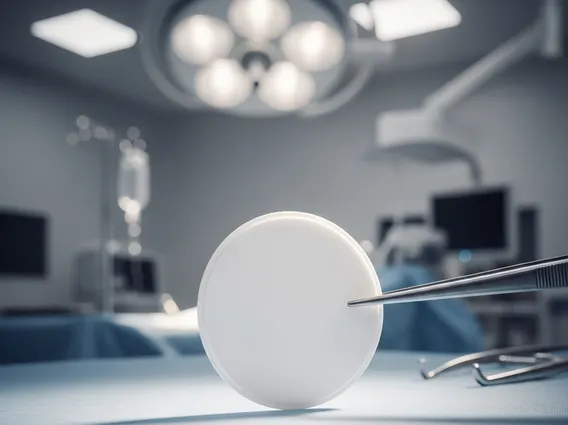
The Gliadel Wafer is an innovative drug delivery system specifically designed for the treatment of malignant brain tumors. It is a small, disc-shaped, biodegradable polymer wafer that contains the chemotherapy drug carmustine (BCNU). After a brain tumor is surgically removed, up to eight of these wafers can be implanted directly into the cavity left by the tumor. The wafer is engineered to slowly dissolve over a period of weeks, releasing the chemotherapy agent directly into the surrounding brain tissue where residual tumor cells may remain.
This localized delivery method allows for a high concentration of the drug at the tumor site, while minimizing systemic exposure and its associated side effects. The polymer material of the wafer is designed to break down into harmless components that are naturally absorbed by the body, eliminating the need for subsequent removal. This targeted approach represents a significant advancement in delivering chemotherapy for aggressive brain cancers.
How Gliadel Wafer Works and Its Uses
The mechanism of how Gliadel Wafer works is through direct, sustained release of carmustine. Once implanted into the surgical cavity, the biodegradable polymer matrix of the wafer gradually erodes. As it dissolves, it continuously releases carmustine, a potent alkylating agent, into the brain tissue adjacent to the resection site. This localized delivery ensures that a high concentration of the chemotherapy drug reaches any remaining microscopic tumor cells that could not be surgically removed, which are often responsible for tumor recurrence.
The primary Gliadel Wafer uses are as an adjuvant treatment for specific types of high-grade malignant gliomas. These include:
- Newly Diagnosed High-Grade Malignant Glioma: Used in conjunction with surgery and radiation therapy for patients with newly diagnosed glioblastoma multiforme (GBM), the most aggressive type of brain tumor.
- Recurrent Glioblastoma Multiforme: Employed in patients with recurrent GBM for whom surgical resection is indicated, often as a part of a multi-modal treatment strategy.
By delivering chemotherapy directly to the tumor bed, Gliadel Wafer aims to prolong the time to tumor progression and improve overall survival for these patients, offering a targeted approach where systemic chemotherapy might struggle to penetrate the blood-brain barrier effectively.
Potential Side Effects of Gliadel Wafer
While Gliadel Wafer offers a targeted approach to chemotherapy, like all medical treatments, it is associated with potential adverse effects. The Gliadel Wafer side effects are primarily related to its surgical implantation and the local effect of the chemotherapy drug on brain tissue. It is crucial for patients and caregivers to be aware of these potential reactions and to report any concerning symptoms to their healthcare team promptly.
Common side effects often include:
- Brain Edema (Swelling): This is a frequent concern, as the presence of the wafer and the release of carmustine can cause inflammation and swelling in the surrounding brain tissue, potentially leading to increased intracranial pressure.
- Seizures: Patients may experience new or increased seizure activity, which can be managed with anti-seizure medications.
- Infection: As with any brain surgery, there is a risk of infection at the surgical site.
- Headache and Fever: These are common post-operative symptoms that can also be related to the wafer.
- Cerebrospinal Fluid (CSF) Leak: A rare but serious complication where CSF leaks from the surgical site.
More severe, though less common, side effects can include brain hemorrhage, impaired wound healing, and neurological deficits. The overall safety profile is carefully weighed against the benefits in patients with aggressive brain tumors. Close monitoring by a neuro-oncology team is essential to manage any adverse reactions effectively and ensure the best possible outcome for the patient.