Transitional Cell Cancer
Transitional cell cancer is a type of cancer that begins in the transitional cells, which line the bladder, ureters, and renal pelvis. Understanding this condition is crucial for early detection and effective management.
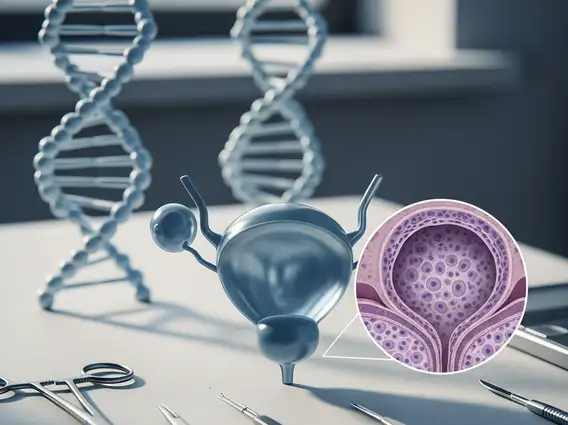
Key Takeaways
- Transitional cell cancer originates in the transitional cells lining the urinary tract, most commonly in the bladder.
- It is also known as urothelial carcinoma, reflecting the type of cells involved.
- Common symptoms include blood in the urine, frequent urination, and pain during urination.
- Risk factors often include smoking, exposure to certain chemicals, and chronic bladder irritation.
- Early diagnosis is vital for successful treatment and improved outcomes.
What is Transitional Cell Cancer?
Transitional cell cancer, also known as urothelial carcinoma, is a malignancy that arises from the transitional cells (urothelial cells) lining the inner surface of the urinary tract. These specialized cells have the unique ability to stretch and contract, accommodating changes in urine volume. While it can occur anywhere along the urinary tract, it is most frequently found in the bladder, accounting for approximately 90% of all bladder cancers. Less commonly, it can affect the ureters (tubes connecting the kidneys to the bladder) and the renal pelvis (the part of the kidney that collects urine).
The development of transitional cell cancer involves the uncontrolled growth of these urothelial cells, forming tumors that can be non-invasive (staying within the lining) or invasive (spreading into deeper layers of the bladder wall or beyond). According to the American Cancer Society, bladder cancer, predominantly transitional cell carcinoma, is the sixth most common cancer in the United States, with an estimated 83,730 new cases diagnosed in 2024. Providing comprehensive transitional cell cancer information is essential for public awareness and patient education.
Symptoms and Causes of Transitional Cell Cancer
Recognizing the transitional cell carcinoma symptoms is critical for early diagnosis and intervention. The most common symptom is hematuria, or blood in the urine, which may be visible (gross hematuria) or microscopic (detected only through lab tests). This symptom is often painless, leading many individuals to delay seeking medical attention. Other symptoms can include changes in urinary habits as the tumor grows or irritates the bladder lining.
Common symptoms of transitional cell cancer include:
- Painless blood in the urine (hematuria), which may be intermittent.
- Frequent urination or an urgent need to urinate.
- Pain or burning during urination (dysuria).
- Pain in the lower back or pelvic area, particularly on one side.
- Difficulty urinating or a weak urine stream.
The exact causes of transitional cell cancer are not fully understood, but several risk factors have been identified that increase an individual’s likelihood of developing the disease. Smoking is by far the most significant risk factor, as carcinogens from tobacco smoke are filtered by the kidneys and concentrate in the urine, directly irritating the transitional cells. Occupational exposure to certain chemicals, such as aromatic amines used in the dye, rubber, and chemical industries, also significantly elevates risk. Chronic irritation or inflammation of the bladder, such as from recurrent urinary tract infections or long-term catheter use, can also contribute to the development of this cancer.
Other potential risk factors include certain medications (e.g., cyclophosphamide), arsenic exposure, and a personal or family history of bladder cancer. Genetic predispositions may also play a role in a smaller percentage of cases. Understanding these risk factors can help individuals take preventive measures and encourage vigilance for early signs of the disease.