Radical Nephrectomy
Radical Nephrectomy is a significant surgical procedure involving the removal of a kidney, typically performed to treat kidney cancer. This operation aims to eliminate cancerous tissue and prevent its spread, offering a vital treatment option for many patients.

Key Takeaways
- Radical Nephrectomy is a surgical procedure to remove an entire kidney, often along with the adrenal gland and surrounding tissues, primarily for kidney cancer treatment.
- The surgery can be performed via open incision or minimally invasive techniques like laparoscopy or robotic-assisted surgery.
- Recovery involves managing pain, monitoring kidney function, and gradually increasing activity over several weeks to months.
- Benefits include the potential cure of kidney cancer and improved prognosis.
- Potential risks include bleeding, infection, damage to surrounding organs, and complications related to anesthesia.
What is Radical Nephrectomy Surgery?
Radical Nephrectomy refers to a surgical procedure where the entire kidney is removed. This extensive operation typically includes the removal of the adrenal gland (which sits atop the kidney), the fatty tissue surrounding the kidney, and nearby lymph nodes. The primary indication for this surgery is the presence of kidney cancer, particularly renal cell carcinoma, which accounts for about 9 out of 10 kidney cancers. According to the American Cancer Society, an estimated 82,290 new cases of kidney cancer are expected in the United States in 2024, highlighting the prevalence of conditions requiring such interventions.
The goal of radical nephrectomy surgery is to completely excise the tumor and any potentially affected surrounding tissues, thereby preventing the cancer from spreading and improving the patient’s long-term prognosis. While partial nephrectomy (removal of only the tumor and a small margin of healthy tissue) is often preferred for smaller tumors to preserve kidney function, radical nephrectomy becomes necessary when the tumor is large, centrally located, or has invaded surrounding structures, making kidney preservation unsafe or impossible.
Radical Nephrectomy: Procedure and Post-Surgery Care
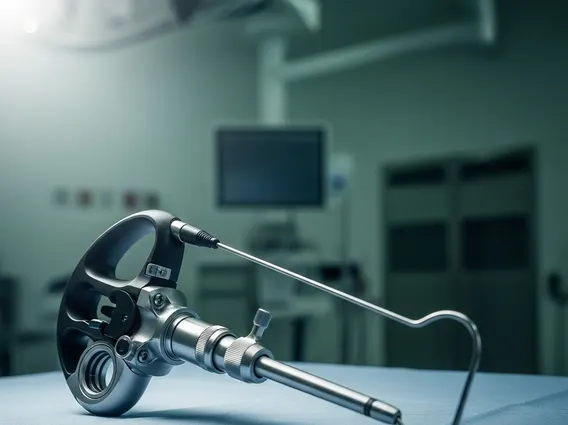
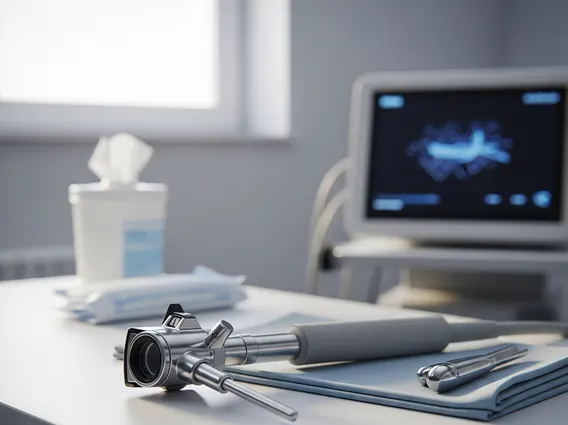
The radical nephrectomy procedure details vary depending on the surgical approach. Traditionally, an open radical nephrectomy involves a single large incision in the abdomen or side to access and remove the kidney. More commonly today, minimally invasive techniques such as laparoscopic or robotic-assisted radical nephrectomy are employed. These methods use several small incisions through which specialized instruments and a camera are inserted, allowing the surgeon to perform the operation with greater precision and less trauma to surrounding tissues. All approaches are performed under general anesthesia.
Following the surgery, patients typically spend several days in the hospital for monitoring and initial recovery. The radical nephrectomy recovery time and tips are crucial for a smooth healing process. Pain management is a priority, often involving intravenous or oral pain medications. Patients are encouraged to mobilize early to prevent complications like blood clots and pneumonia. The full recovery period can range from a few weeks for minimally invasive procedures to several months for open surgery. During this time, patients will have activity restrictions and will need to attend follow-up appointments to monitor their remaining kidney function and check for any signs of cancer recurrence.
Key recovery tips include:
- Adhering strictly to medication schedules, especially for pain relief.
- Gradually increasing physical activity as advised by the medical team, avoiding heavy lifting.
- Maintaining a healthy diet and staying well-hydrated to support kidney function.
- Monitoring incision sites for signs of infection (redness, swelling, discharge).
- Attending all scheduled follow-up appointments for comprehensive post-operative care.
Potential Risks and Benefits of Radical Nephrectomy
Understanding the risks and benefits of radical nephrectomy is essential for patients considering this surgery. The primary benefit is the potential for a cure from kidney cancer, especially when the disease is localized. By removing the cancerous kidney, the surgery can significantly improve the patient’s prognosis and quality of life, often preventing the spread of cancer to other parts of the body. For many patients with advanced or aggressive tumors, radical nephrectomy offers the best chance for long-term survival.
However, like any major surgical intervention, radical nephrectomy carries potential risks. These can include general surgical complications such as bleeding, infection at the incision site, blood clots, and adverse reactions to anesthesia. More specific risks related to kidney removal involve injury to surrounding organs (e.g., bowel, spleen, liver), and the potential for kidney insufficiency or chronic kidney disease in the remaining kidney, especially if its function is already compromised. Patients will be thoroughly evaluated before surgery to assess these risks and ensure the remaining kidney is healthy enough to compensate for the removed one.