Intravesical
Intravesical administration is a specialized method of drug delivery that involves introducing therapeutic agents directly into the urinary bladder. This approach is primarily utilized to treat conditions affecting the bladder itself, offering targeted treatment with reduced systemic exposure.
Key Takeaways
- Intravesical administration delivers drugs directly into the bladder, bypassing systemic circulation.
- This method is crucial for treating bladder-specific conditions like cancer and interstitial cystitis.
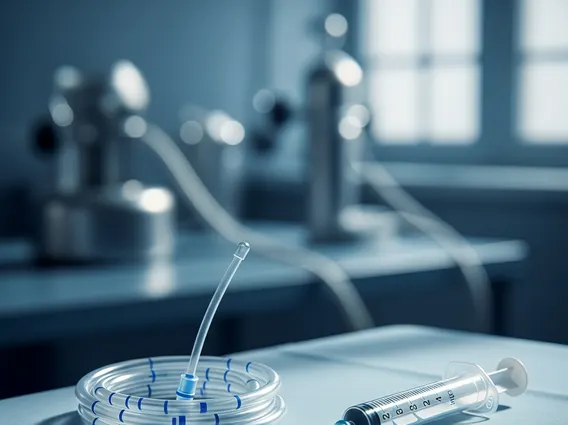
- Drug delivery typically involves a catheter, allowing for direct contact with the bladder lining.
- Benefits include higher drug concentrations at the target site and fewer systemic side effects.
- Effectiveness depends on factors like drug formulation, dwell time, and bladder wall permeability.
What is Intravesical Administration?
Intravesical administration refers to the medical procedure of introducing a substance, typically a medication, directly into the urinary bladder. This method ensures that the therapeutic agent comes into direct contact with the bladder wall, maximizing its local effect while minimizing systemic absorption and potential side effects throughout the body. The term “Intravesical” itself denotes “within the bladder,” underscoring the localized nature of this treatment approach.
The primary rationale behind this delivery route is to achieve high concentrations of the drug at the site of disease within the bladder, which might be difficult or impossible to attain through oral or intravenous administration without causing significant systemic toxicity. This targeted delivery is particularly beneficial for conditions where the pathology is confined to the bladder lining, such as certain types of bladder cancer or chronic inflammatory conditions.
Intravesical Drug Delivery: Mechanisms and Methods
The process of intravesical treatment works by delivering the therapeutic agent directly into the bladder lumen, where it can interact with the urothelium (the bladder lining). This is typically achieved using a catheter, which is temporarily inserted through the urethra into the bladder to instill the medication. Once instilled, the drug is allowed to remain in the bladder for a specific period, known as the dwell time, before being voided.
Various intravesical drug delivery methods are employed, depending on the drug’s properties and the condition being treated. The effectiveness of these methods hinges on several factors, including the drug’s ability to penetrate the bladder wall, its stability within the bladder environment, and its retention time. Some common agents delivered via this route include:
- Chemotherapeutic agents: Used for non-muscle invasive bladder cancer (NMIBC) to destroy cancer cells or prevent recurrence.
- Immunotherapeutic agents: Such as Bacillus Calmette-Guérin (BCG), which stimulates an immune response against bladder cancer cells.
- Anti-inflammatory drugs: To manage conditions like interstitial cystitis/bladder pain syndrome.
- Local anesthetics: For pain relief in bladder conditions.
Advanced delivery systems, such as those involving electromotive drug administration (EMDA) or hyperthermia, are sometimes used to enhance drug penetration and efficacy, particularly for more resistant cases or to improve the therapeutic index of certain agents.
Therapeutic Applications of Intravesical Treatment
Intravesical therapy is explained as a cornerstone in the management of several urological conditions, primarily those affecting the bladder directly. Its localized action makes it an invaluable tool for treating diseases that might otherwise require more invasive procedures or carry higher risks of systemic side effects with conventional treatments. The most prominent application is in the treatment of non-muscle invasive bladder cancer (NMIBC), where it significantly reduces the risk of recurrence and progression after surgical removal of tumors.
Beyond oncology, intravesical treatment is also utilized for chronic bladder conditions. For instance, it plays a role in managing interstitial cystitis/bladder pain syndrome, a chronic condition characterized by bladder pain and urinary frequency, where various agents can be instilled to soothe the bladder lining or reduce inflammation. Clinical studies and guidelines from organizations like the American Urological Association (AUA) consistently support the efficacy of intravesical therapies for these specific indications, often citing recurrence rates for NMIBC significantly reduced by such treatments, sometimes by as much as 30-40% compared to surgery alone, depending on the specific agent and patient risk profile.