Intravenous Infusion
Intravenous infusion is a common medical procedure that delivers fluids, medications, or nutrients directly into a person’s vein. This method ensures rapid and efficient absorption into the bloodstream, making it vital for various clinical applications.
Key Takeaways
- Intravenous Infusion delivers substances directly into the bloodstream via a vein.
- It ensures rapid and complete absorption, bypassing the digestive system.
- The process involves a catheter, an IV bag, and a controlled drip or pump.
- Common types include hydration, medication delivery, and nutritional support.
- Benefits include immediate therapeutic effects and precise dosage control.
What is Intravenous Infusion?
Intravenous Infusion refers to the administration of fluids, medications, or nutrients directly into a patient’s vein. This method is crucial in healthcare because it allows substances to enter the bloodstream immediately, ensuring rapid distribution throughout the body. Unlike oral medications, which must pass through the digestive system, IV infusions bypass this process, making them highly effective for situations requiring quick action or when a patient cannot take substances by mouth.
The primary goal of this therapy is to deliver therapeutic agents or essential fluids directly into the circulatory system. This approach is widely used across various medical fields, from emergency medicine and critical care to oncology and routine patient management, due to its reliability and efficiency in delivering precise dosages.
How IV Infusions Work
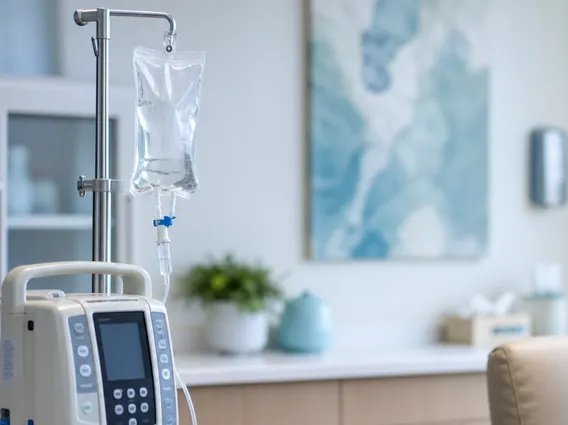
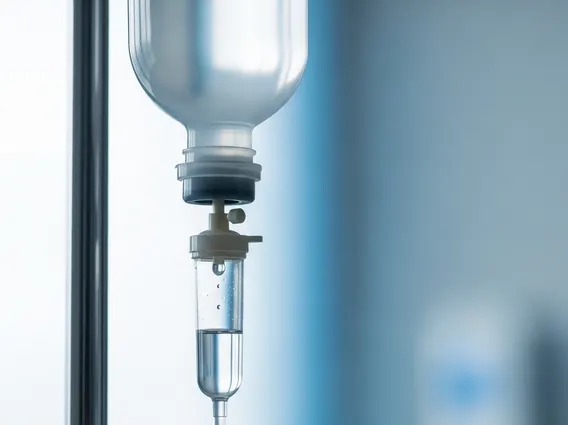
The process of an IV infusion involves several key components working together to deliver substances safely and effectively into the bloodstream. Initially, a healthcare professional inserts a small, flexible tube called a catheter into a peripheral vein, typically in the arm or hand. Once the catheter is securely in place, it is connected to an IV line, which leads to a bag containing the prescribed fluid or medication.
The fluid then travels from the IV bag, through the tubing, and into the patient’s vein. The flow rate is carefully controlled, either by a manual clamp on the tubing or, more commonly, by an electronic infusion pump. These pumps ensure a precise and consistent delivery rate, which is critical for maintaining therapeutic levels of medication or preventing fluid overload. This direct route ensures that the administered substances are 100% bioavailable, meaning the entire dose enters circulation without loss.
Types and Benefits of IV Therapy
There are several types of IV infusions, each tailored to specific medical needs. These can range from simple hydration to complex medication regimens. Understanding these variations is essential for appreciating the versatility of intravenous therapy in modern medicine. The choice of infusion type depends on the patient’s condition, the substance being administered, and the desired therapeutic outcome.
Common types of IV infusions include:
- Hydration: Administering saline or other electrolyte solutions to rehydrate patients who are dehydrated due to illness, surgery, or strenuous activity.
- Medication Delivery: Providing antibiotics, pain relievers, chemotherapy drugs, or other critical medications that require rapid onset or precise blood concentration.
- Nutritional Support: Delivering essential nutrients, vitamins, and minerals directly into the bloodstream for patients unable to absorb food through their digestive system (e.g., Total Parenteral Nutrition – TPN).
- Blood Transfusions: Supplying whole blood or blood components (like plasma or platelets) to patients experiencing significant blood loss or certain blood disorders.
The benefits of intravenous therapy are numerous and contribute significantly to patient care outcomes. One of the most significant advantages is the immediate therapeutic effect, as medications bypass the digestive system and enter the bloodstream directly. This rapid action is crucial in emergencies or when treating acute conditions. Additionally, IV infusions allow for precise control over the dosage and rate of administration, which is vital for drugs with narrow therapeutic windows.
Furthermore, IV therapy is indispensable for patients who cannot take oral medications due to nausea, vomiting, or impaired gastrointestinal function. It also ensures complete absorption of the administered substance, preventing any loss that might occur with oral ingestion. This method is highly effective for delivering large volumes of fluid or complex mixtures of medications and nutrients, making it a cornerstone of modern medical treatment.