Intraperitoneal Infusion
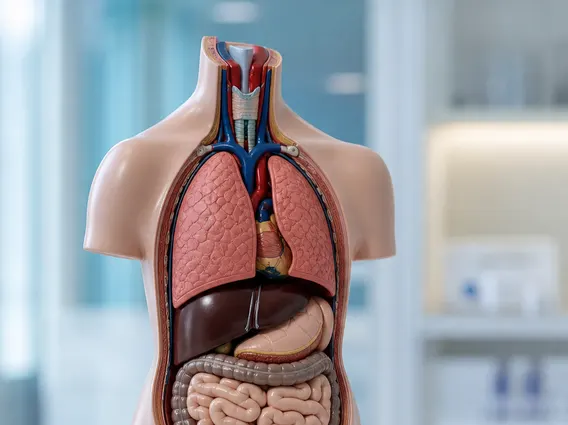
Intraperitoneal Infusion is a specialized medical procedure that involves delivering therapeutic agents directly into the peritoneal cavity, the space within the abdomen that contains the stomach, intestines, and other organs. This method is primarily utilized to achieve high local concentrations of medication, particularly in the treatment of certain abdominal cancers and for dialysis.
Key Takeaways
- Intraperitoneal Infusion delivers medication directly into the abdominal cavity.
- It is primarily used for targeted chemotherapy in peritoneal cancers and for peritoneal dialysis.
- The procedure involves placing a catheter, either temporarily or permanently, into the peritoneal space.
- Benefits include higher drug concentration at the disease site and potentially reduced systemic side effects.
- Risks can include infection, catheter complications, and discomfort.
What is Intraperitoneal Infusion?
Intraperitoneal Infusion refers to a medical technique where fluids, typically medications, are administered directly into the peritoneal cavity. This cavity is lined by a membrane called the peritoneum, which covers the abdominal organs. The direct delivery method allows for a concentrated dose of medication to reach the affected area, bypassing the systemic circulation to some extent, which can be particularly advantageous in treating diseases confined to the abdomen.
This approach is often chosen when the goal is to maximize the exposure of abdominal tissues and organs to a therapeutic agent while minimizing its systemic absorption and associated side effects. It leverages the large surface area of the peritoneum for drug absorption and distribution within the abdominal space, making it an effective strategy for localized treatment.
Intraperitoneal Infusion: Procedure and Uses
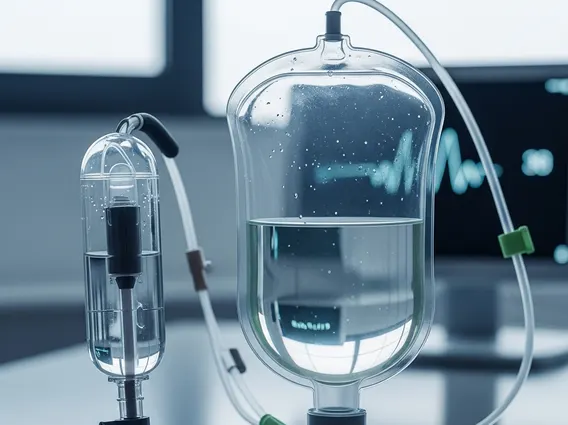
The intraperitoneal infusion procedure typically involves the surgical placement of a catheter into the peritoneal cavity. This catheter can be temporary, inserted for a single treatment or a short course, or permanent, often connected to a port that remains under the skin, allowing for repeated infusions over an extended period. Once the catheter is in place, the prescribed fluid, such as chemotherapy drugs or dialysis solution, is slowly infused into the abdominal space. The patient may need to change positions periodically to help distribute the fluid evenly throughout the cavity.
The primary intraperitoneal infusion uses include:
- Chemotherapy for Peritoneal Cancers: This is a significant application, especially for cancers that have spread to the peritoneum, such as ovarian cancer, colorectal cancer, and gastric cancer. Delivering chemotherapy directly to the tumor sites within the abdomen can achieve higher drug concentrations than intravenous administration, potentially leading to improved response rates.
- Peritoneal Dialysis: For patients with kidney failure, peritoneal dialysis uses the peritoneum as a natural filter. Dialysis solution is infused into the cavity, where it absorbs waste products and excess fluid from the blood, and is then drained out.
- Treatment of Infections: In some cases, antibiotics or other antimicrobial agents may be infused intraperitoneally to treat severe abdominal infections.
Clinical studies, including those reviewed by organizations like the National Cancer Institute, have indicated that intraperitoneal chemotherapy can improve survival rates for certain types of advanced ovarian cancer when compared to intravenous chemotherapy alone.
Benefits and Risks of Intraperitoneal Infusion
Understanding the intraperitoneal infusion benefits risks is crucial for patients and healthcare providers. The benefits primarily stem from the direct delivery of medication to the target site.
Benefits:
- Higher Local Drug Concentration: This allows for more potent action against tumors or infections within the abdominal cavity.
- Reduced Systemic Toxicity: For certain drugs, direct delivery can limit the amount entering the general bloodstream, potentially reducing side effects like nausea, hair loss, and fatigue that are common with systemic chemotherapy.
- Improved Efficacy: For specific cancers, IP chemotherapy has shown to be more effective than intravenous routes alone, leading to better patient outcomes.
Risks:
- Infection: The most common risk is peritonitis, an infection of the peritoneal lining, or infection at the catheter insertion site.
- Catheter Complications: These can include blockage, displacement, leakage, or pain at the catheter site, sometimes requiring surgical revision.
- Pain and Discomfort: Patients may experience abdominal pain, bloating, or discomfort during or after the infusion.
- Bowel Complications: Although rare, there is a risk of bowel perforation or the formation of adhesions (scar tissue) that can lead to bowel obstruction.
- Drug-Specific Side Effects: While systemic side effects may be reduced, local irritation or other adverse reactions specific to the infused medication can occur within the abdomen.
Healthcare teams carefully weigh these benefits and risks, considering the patient’s overall health, the specific condition being treated, and the potential for improved outcomes, before recommending Intraperitoneal Infusion.