Intraperitoneal Chemotherapy
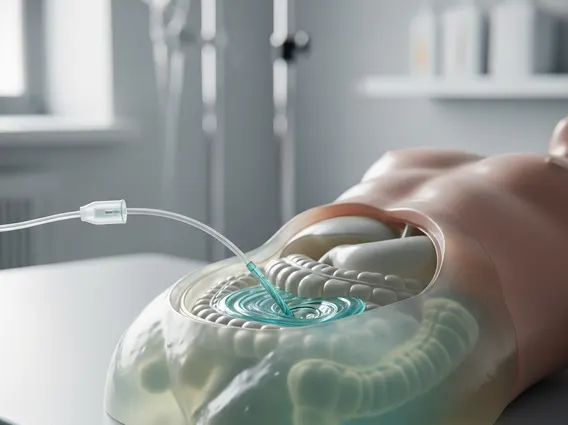
Intraperitoneal Chemotherapy is a specialized cancer treatment that delivers chemotherapy drugs directly into the abdominal cavity, targeting cancers that have spread within this region. This approach aims to maximize drug concentration at the tumor site while minimizing systemic side effects.
Key Takeaways
- Intraperitoneal Chemotherapy delivers drugs directly into the peritoneal cavity, the space surrounding abdominal organs.
- It is primarily used for cancers confined to the abdomen, such as certain ovarian, colorectal, and gastric cancers.
- This method allows for higher drug concentrations at the tumor site compared to intravenous chemotherapy.
- Potential benefits include improved local disease control and survival rates for select patients.
- Patients undergoing this treatment require careful monitoring for specific side effects and comprehensive support.
What is Intraperitoneal Chemotherapy?
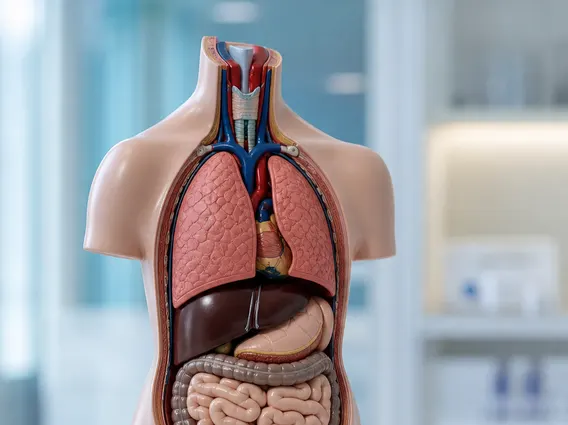
Intraperitoneal Chemotherapy (IPC) refers to a cancer treatment method where chemotherapy drugs are administered directly into the peritoneal cavity. The peritoneal cavity is the space within the abdomen that contains organs such as the stomach, intestines, liver, and ovaries, and is lined by a membrane called the peritoneum. This direct delivery system is particularly effective for treating cancers that have spread to the lining of the abdominal cavity, a condition known as peritoneal carcinomatosis.
Unlike traditional intravenous (IV) chemotherapy, which circulates throughout the entire body, IPC concentrates the therapeutic agents where the cancer cells are located. This localized approach is crucial because many abdominal cancers, such as advanced ovarian cancer, frequently spread within the peritoneal cavity. According to the American Cancer Society, a significant percentage of ovarian cancer patients are diagnosed at advanced stages where the cancer has already spread to the peritoneum, making IPC a relevant treatment option for these cases.
How Intraperitoneal Chemotherapy Works
Intraperitoneal Chemotherapy works by bathing the abdominal organs and the peritoneal lining directly with chemotherapy drugs. This mechanism allows for a much higher concentration of the drugs to reach the cancer cells within the peritoneal cavity than would be possible with systemic (intravenous) administration, without significantly increasing the drug levels in the bloodstream. The peritoneum acts as a natural barrier, limiting the absorption of the drugs into the systemic circulation and thereby reducing common chemotherapy side effects throughout the body.
The administration of IPC can occur in several ways, depending on the specific cancer and treatment plan:
- Temporary Catheter: A thin, flexible tube is inserted through the abdominal wall, often during a minor surgical procedure, to deliver chemotherapy over several cycles.
- Port-a-Cath: A small device is surgically implanted under the skin, usually in the lower abdomen, with a catheter extending into the peritoneal cavity. This allows for repeated drug administration without repeated needle sticks.
- Hyperthermic Intraperitoneal Chemotherapy (HIPEC): This specialized procedure involves heating the chemotherapy solution and circulating it within the peritoneal cavity for a short period, typically during surgery after visible tumors have been removed. The heat is thought to enhance the drug’s effectiveness.
The direct contact of the chemotherapy drugs with microscopic and macroscopic tumor deposits within the abdomen is a key advantage, leading to improved local control of the disease for suitable candidates.
Intraperitoneal Chemotherapy: Benefits, Risks, and Patient Considerations
Intraperitoneal Chemotherapy offers several potential benefits, particularly for patients with cancers primarily confined to the abdominal cavity. The main advantage is the ability to deliver high concentrations of chemotherapy drugs directly to the tumor cells, which can lead to more effective eradication of cancer within the peritoneal space. Studies have shown that for certain cancers, such as advanced ovarian cancer, IPC can improve progression-free survival and overall survival rates compared to intravenous chemotherapy alone. It also often results in fewer systemic side effects, as less drug enters the general bloodstream.
However, like all cancer treatments, IPC carries potential risks and side effects. Common side effects can include abdominal pain, nausea, vomiting, fatigue, and diarrhea. More serious risks may involve infection at the catheter site, bowel obstruction, or chemical peritonitis (inflammation of the peritoneal lining). A comprehensive Intraperitoneal chemotherapy patient guide is essential for individuals undergoing this treatment, detailing what to expect, how to manage side effects, and when to seek medical attention.
Patient considerations for IPC include careful selection based on cancer type, extent of disease, and overall health. Patients must be able to tolerate the procedure and potential side effects. Close monitoring by an oncology team is crucial throughout the treatment period to manage complications and ensure optimal outcomes. Nutritional support and pain management are often integral parts of the patient’s care plan to maintain quality of life during and after treatment.