Intestine
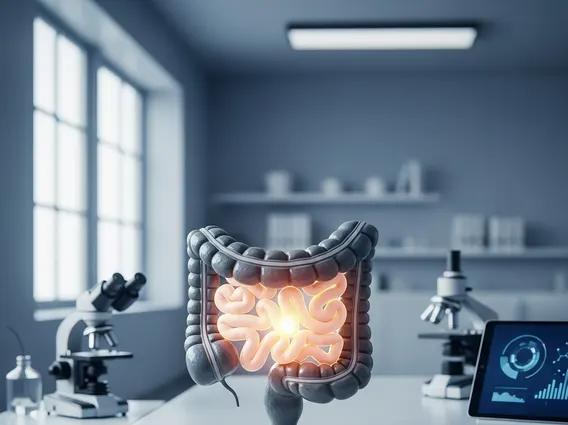
The Intestine is a vital organ in the human digestive system, playing a crucial role in processing food, absorbing nutrients, and eliminating waste. Understanding its structure and function is fundamental to comprehending overall human health.
Key Takeaways
- The Intestine is a primary organ for digestion and nutrient absorption.
- It consists of two main parts: the small intestine and the large intestine, each with distinct functions.
- The small intestine primarily absorbs nutrients, while the large intestine absorbs water and forms waste.
- Various conditions can affect the Intestine, leading to symptoms like pain, bloating, and changes in bowel habits.
- Maintaining intestinal health is crucial for overall well-being.
What is the Intestine?
The Intestine refers to the long, coiled tube that extends from the stomach to the anus, forming a major part of the digestive tract. It is a critical organ responsible for the final stages of food digestion, nutrient absorption, and waste elimination. The intricate process of how the intestine work involves muscular contractions known as peristalsis, which propel food along its length, coupled with enzymatic breakdown and selective absorption across its specialized lining. This highly efficient system ensures that the body receives essential nutrients from ingested food while efficiently processing indigestible material for excretion.
Types of Intestines and Their Functions
The human digestive system features two primary types of intestines in body: the small intestine and the large intestine. Each segment is uniquely adapted to perform specific digestive tasks, contributing significantly to the overall function of human intestine. The small intestine, despite its name, is considerably longer than the large intestine, typically measuring about 6 meters (20 feet) in an adult. It is subdivided into three parts: the duodenum, jejunum, and ileum. This is where the vast majority of chemical digestion and absorption of nutrients—including carbohydrates, fats, proteins, vitamins, and minerals—occur. Its inner surface is lined with millions of tiny, finger-like projections called villi, which vastly increase the surface area for absorption.
The large intestine, approximately 1.5 meters (5 feet) long, follows the small intestine. It consists of the cecum, colon (ascending, transverse, descending, and sigmoid sections), rectum, and anal canal. Its primary role is to absorb water and electrolytes from the remaining indigestible food matter, compacting it into stool for elimination. It also houses beneficial bacteria that aid in breaking down some remaining food components and synthesizing certain vitamins, such as vitamin K.
| Intestine Type | Primary Role | Key Sections | Approximate Length (Adult) |
|---|---|---|---|
| Small Intestine | Nutrient absorption and chemical digestion | Duodenum, Jejunum, Ileum | 6 meters (20 feet) |
| Large Intestine | Water absorption and waste formation | Cecum, Colon, Rectum, Anus | 1.5 meters (5 feet) |
Common Intestine Problems and Symptoms
A wide range of conditions can affect the Intestine, leading to various common intestine problems symptoms. These issues can significantly impact quality of life and, in some cases, indicate serious underlying health concerns. Understanding these conditions and their signs is crucial for timely diagnosis and management.
Some prevalent intestinal disorders include:
- Irritable Bowel Syndrome (IBS): A common functional gastrointestinal disorder characterized by recurrent abdominal pain, bloating, gas, and changes in bowel habits (diarrhea, constipation, or both) without visible signs of damage or disease.
- Inflammatory Bowel Disease (IBD): This encompasses chronic inflammatory conditions like Crohn’s disease and ulcerative colitis, which cause prolonged inflammation in parts of the digestive tract, leading to symptoms such as severe diarrhea, abdominal pain, fatigue, and weight loss.
- Celiac Disease: An autoimmune disorder where consuming gluten triggers an immune response that damages the lining of the small intestine, impairing nutrient absorption.
- Infections: Bacterial, viral, or parasitic infections can cause acute gastroenteritis, resulting in symptoms like diarrhea, vomiting, abdominal cramps, and fever.
- Diverticular Disease: Characterized by the formation of small, bulging pouches (diverticula) in the lining of the colon, which can become inflamed or infected (diverticulitis).
General symptoms that may signal intestinal problems include persistent abdominal pain or discomfort, bloating, excessive gas, noticeable changes in bowel movements (such as chronic diarrhea or constipation), unexplained weight loss, and blood in the stool. According to the World Health Organization (WHO), gastrointestinal diseases are among the leading causes of morbidity and mortality globally, highlighting the importance of recognizing and addressing these symptoms promptly. Early diagnosis and appropriate medical intervention are crucial for managing these conditions effectively and preventing potential complications.