Intestinal
The intestinal system is a vital component of the human digestive tract, playing a crucial role in nutrient absorption, waste elimination, and immune function. Understanding its health is fundamental to overall well-being.
Key Takeaways
- Intestinal health encompasses the optimal function of the digestive system, including nutrient absorption and immune defense.
- A healthy gut microbiome, rich in beneficial bacteria, is essential for proper digestion and overall health.
- Common intestinal diseases include IBS, IBD, and celiac disease, often presenting with diverse intestinal problems symptoms.
- Dietary fiber, probiotics, and a balanced lifestyle are key strategies for how to improve intestinal flora.
- Persistent digestive issues warrant medical consultation for accurate diagnosis and treatment.
What is Intestinal: Defining Intestinal Health
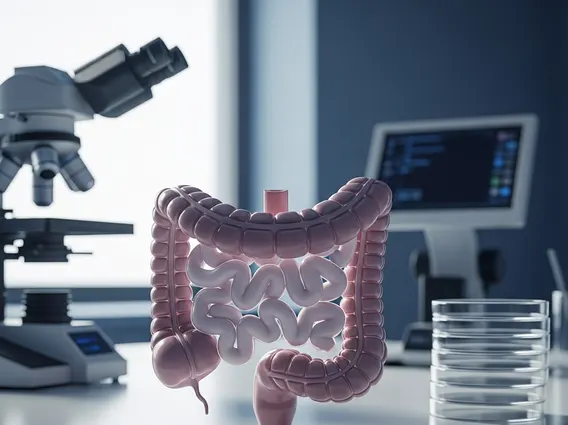
Intestinal refers to the intestines, which are the long, coiled tubes extending from the stomach to the anus. They are primarily responsible for digesting food, absorbing nutrients, and expelling waste. The small intestine handles most nutrient absorption, while the large intestine absorbs water and forms stool.
What is intestinal health is a comprehensive state where the intestines function optimally, supporting digestion, nutrient absorption, and immune defense. This involves a balanced gut microbiome—a diverse community of microorganisms, including bacteria, fungi, and viruses—that reside within the digestive tract. A healthy microbiome contributes to the breakdown of complex carbohydrates, synthesis of certain vitamins, and protection against harmful pathogens. According to the World Health Organization (WHO), gut health is increasingly recognized as a cornerstone of overall health, influencing metabolic, immune, and even neurological functions.
Common Intestinal Diseases and Their Symptoms
A range of conditions can affect the intestines, leading to various digestive issues. Common intestinal diseases include Irritable Bowel Syndrome (IBS), Inflammatory Bowel Disease (IBD), celiac disease, and diverticulitis. These conditions can significantly impact quality of life and often require specific medical management.
Recognizing intestinal problems symptoms is crucial for timely diagnosis and treatment. While symptoms can vary widely depending on the specific condition, some common indicators include:
- Abdominal pain or cramping
- Bloating and gas
- Diarrhea or constipation (or alternating patterns)
- Nausea and vomiting
- Unexplained weight loss
- Blood in stool or rectal bleeding
- Fatigue
For instance, Irritable Bowel Syndrome (IBS) is characterized by chronic abdominal pain and altered bowel habits without visible signs of damage or disease. Inflammatory Bowel Disease (IBD), which includes Crohn’s disease and ulcerative colitis, involves chronic inflammation of the digestive tract. Celiac disease is an autoimmune disorder triggered by gluten consumption, leading to damage in the small intestine. If you experience persistent or severe intestinal symptoms, it is important to consult a healthcare professional for an accurate diagnosis and appropriate treatment plan.
How to Improve Intestinal Flora
Maintaining a balanced and diverse gut microbiome is key to intestinal health. There are several effective strategies for how to improve intestinal flora, primarily focusing on diet and lifestyle modifications. A diet rich in fiber is paramount, as fiber acts as a prebiotic, feeding beneficial gut bacteria. Sources include fruits, vegetables, whole grains, and legumes.
Incorporating probiotic-rich foods can also introduce beneficial bacteria directly into the gut. Examples include fermented foods like yogurt, kefir, sauerkraut, kimchi, and kombucha. Beyond diet, adequate hydration, regular physical activity, and effective stress management techniques are vital. Chronic stress can negatively impact gut motility and alter the microbiome composition. Limiting processed foods, excessive sugar, and artificial sweeteners can further support a healthy intestinal environment. While these dietary and lifestyle changes can be highly beneficial, they are supportive measures and should not replace medical treatment for diagnosed intestinal conditions.