Frankincense Tree
The Frankincense Tree refers to several species of trees belonging to the genus Boswellia, renowned for their aromatic resin. This resin has been valued for millennia across various cultures for its medicinal, spiritual, and cosmetic applications.
Key Takeaways
- The Frankincense Tree is a genus (Boswellia) of trees known for producing aromatic resin.
- It primarily grows in arid, rocky regions of the Arabian Peninsula, Northeast Africa, and parts of India.
- Identification involves recognizing its papery bark, small leaves, and the characteristic milky white resin that oozes when the bark is cut.
- The resin, commonly known as frankincense, has historical uses in religious ceremonies, traditional medicine, and perfumery.
- Potential health benefits are attributed to its anti-inflammatory and antiseptic properties, though scientific research is ongoing.
What is the Frankincense Tree: Identification and Habitat
The Frankincense Tree is a hardy deciduous tree from the genus Boswellia, primarily known for the aromatic oleo-gum-resin it produces. This resin, commonly called frankincense, has been a prized commodity for thousands of years. To provide comprehensive frankincense tree information, it’s essential to understand its botanical characteristics and natural environment.
How to identify a frankincense tree involves observing several distinct features. These trees typically grow to a height of 2 to 8 meters, though some species can reach up to 15 meters. They often have a gnarled, twisted appearance, especially when growing in harsh, rocky conditions. Key identification markers include:
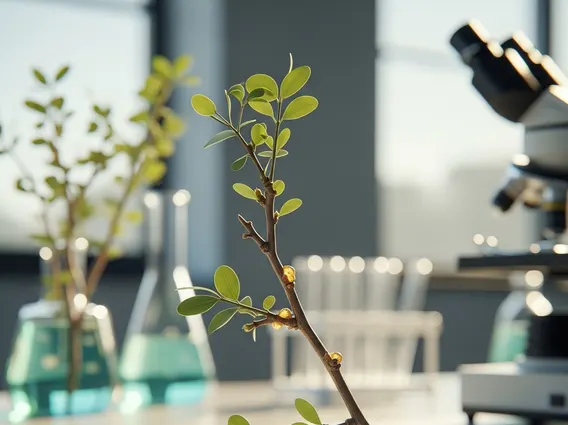
- Bark: The bark is often thin and papery, peeling off in flakes, revealing a greenish or reddish layer underneath.
- Leaves: The leaves are pinnate, meaning they are arranged in leaflets along a central stem, and are typically clustered at the ends of the branches.
- Flowers: Small, yellowish-white, or pale pink flowers grow in racemes, appearing before or with the new leaves.
- Resin: When the bark is incised, a milky white sap exudes, which hardens into tears of resin upon exposure to air. This is the frankincense.
Where do frankincense trees grow? These resilient trees thrive in arid and semi-arid regions. Their primary habitats are the Arabian Peninsula (particularly Oman and Yemen), Northeast Africa (Somalia, Ethiopia, Eritrea), and parts of India. They prefer rocky, limestone-rich soils and can often be found clinging to cliffs and steep slopes, demonstrating remarkable adaptability to harsh environments with minimal water.
Uses and Health Benefits of Frankincense Tree Resin
The resin derived from the Frankincense Tree has a rich history of diverse applications, spanning spiritual, cosmetic, and medicinal realms. The frankincense tree uses and benefits are primarily centered around this aromatic resin, which is harvested by making incisions in the tree’s bark, allowing the sap to bleed out and harden into “tears.”
Historically, frankincense was a cornerstone of religious ceremonies and rituals in ancient Egypt, Mesopotamia, and many Abrahamic traditions, where it was burned as incense to purify spaces and facilitate spiritual connection. Beyond its spiritual significance, it was also used in embalming processes and as a component in perfumes and cosmetics. In traditional medicine systems, such as Ayurveda and Traditional Chinese Medicine, frankincense resin has been used for its purported anti-inflammatory, antiseptic, and analgesic properties.
Modern scientific research is exploring several potential health benefits associated with frankincense, particularly its active compounds known as boswellic acids. These compounds are believed to contribute to its anti-inflammatory effects. Studies suggest frankincense may be beneficial for:
| Potential Benefit Area | Mechanism/Application |
|---|---|
| Anti-inflammatory Support | Boswellic acids may inhibit enzymes involved in inflammation, potentially aiding conditions like osteoarthritis and inflammatory bowel disease. |
| Respiratory Health | Used traditionally for coughs and bronchitis; some research suggests it may help improve lung function. |
| Skin Health | Applied topically in some traditional practices for wound healing and skin rejuvenation due to its antiseptic properties. |
| Pain Management | May offer analgesic effects, particularly in inflammatory pain conditions. |
While these potential benefits are promising, it is important to note that much of the research is still in its early stages, and more extensive clinical trials are needed to confirm efficacy and safety. Any information regarding the use of Frankincense Tree resin for health purposes is supportive only and does not replace professional medical treatment or advice. Always consult with a healthcare provider before using frankincense or any other herbal remedy for medicinal purposes.