Fertile
In a medical and clinical context, Fertile describes the biological capacity of an individual or organism to reproduce. Understanding fertility is crucial for individuals planning a family and for healthcare professionals assessing reproductive health.
Key Takeaways
- Fertile refers to the natural biological ability to produce offspring.
- Recognizing signs of fertility involves observing specific physiological indicators in both males and females.
- Key indicators for females include regular menstrual cycles and ovulation signs.
- Numerous factors, such as age, lifestyle, and medical conditions, can significantly influence fertility.
- Maintaining overall health is important for supporting reproductive potential.
What is Fertile?
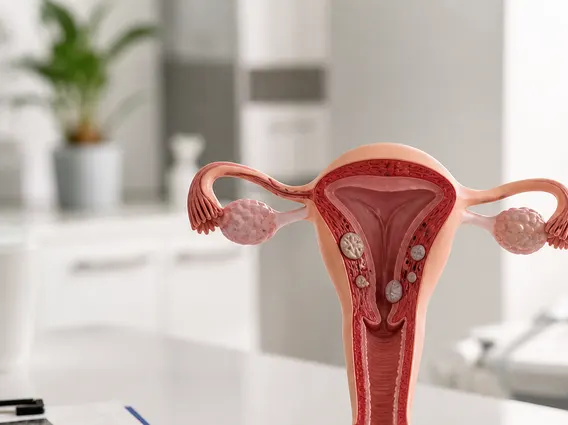
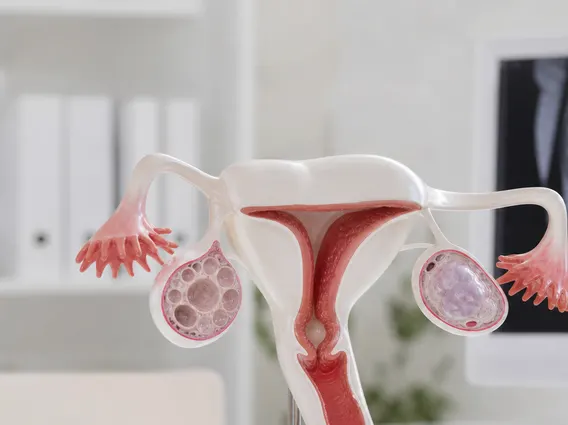
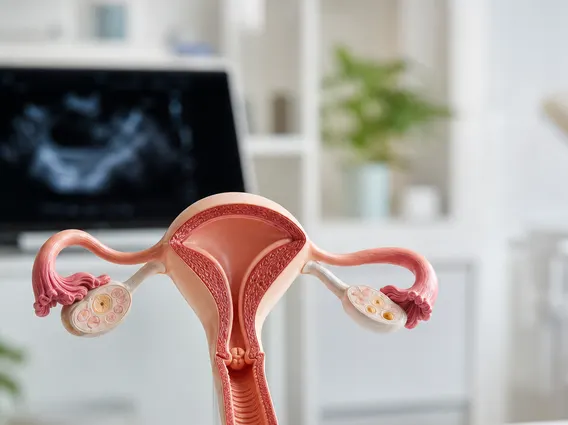
Fertile, in medical terminology, refers to the inherent biological capacity of an individual to conceive or produce offspring. This term is fundamental in reproductive health and oncology, often used to describe a person’s reproductive potential. For a person to be considered fertile, their reproductive system must be functioning optimally, allowing for the successful production of gametes (sperm or eggs) and, in females, the ability to carry a pregnancy to term. The concept of fertility encompasses a complex interplay of hormonal balance, anatomical integrity, and overall physiological health.
The term what does fertile mean extends beyond just the ability to conceive; it also implies the capacity for successful gestation and birth. It is a critical aspect of human biology, influencing family planning and reproductive health discussions. While fertility is a natural state for many, various biological and external factors can impact an individual’s fertile status, leading to conditions like infertility, which affects millions globally.
Recognizing Signs of Fertility
Understanding signs of fertility is essential for individuals monitoring their reproductive health or attempting to conceive. While definitive fertility can only be confirmed through medical evaluation, several observable indicators can suggest a person’s reproductive potential. For females, key signs often revolve around the menstrual cycle and ovulation. A regular menstrual cycle, typically lasting between 21 and 35 days, is a primary indicator of hormonal balance and regular ovulation.
To how to know if you are fertile, individuals can observe specific physiological changes. For females, these include:
- Regular Menstrual Cycles: Consistent cycle length and predictable periods often indicate regular ovulation.
- Ovulation Symptoms: These can include changes in basal body temperature (a slight rise after ovulation), changes in cervical mucus (becoming clear, stretchy, and egg-white-like), and sometimes mild abdominal discomfort or mittelschmerz.
- Hormonal Balance: While not directly observable, signs of hormonal health like healthy skin, hair, and energy levels can indirectly suggest reproductive well-being.
For males, signs of fertility are less outwardly apparent but generally relate to overall health and sexual function, such as a healthy libido and normal erectile function. Semen analysis is the primary clinical method for assessing male fertility by evaluating sperm count, motility, and morphology.
Factors Affecting Fertility
Many factors affecting fertility can influence an individual’s ability to conceive and carry a pregnancy to term. These factors can be broadly categorized into age, lifestyle choices, medical conditions, and environmental exposures. Age is a significant determinant, particularly for females; female fertility naturally declines with age, with a more rapid decrease observed after the mid-30s. According to the American Society for Reproductive Medicine, a woman’s peak reproductive years are in her 20s, and fertility starts to decline significantly around age 35.
Lifestyle choices play a crucial role. Smoking, excessive alcohol consumption, recreational drug use, and an unhealthy diet can negatively impact both male and female fertility. Obesity and being underweight can also disrupt hormonal balance and affect ovulation in females, and sperm quality in males. Chronic stress, lack of adequate sleep, and exposure to certain environmental toxins (e.g., pesticides, heavy metals) are additional factors that can impair reproductive function.
Medical conditions are another major category. For females, conditions such as polycystic ovary syndrome (PCOS), endometriosis, uterine fibroids, and blocked fallopian tubes can impede fertility. For males, issues like low sperm count, poor sperm motility, varicocele, and hormonal imbalances can affect their reproductive capacity. Sexually transmitted infections (STIs) can also cause damage to reproductive organs in both sexes, leading to fertility challenges. Addressing these underlying medical conditions with appropriate treatment is often a key step in improving fertility outcomes.