
Urinary System
The urinary system is a vital biological network responsible for filtering waste products from the blood and expelling them from the body. This intricate system plays a crucial role in maintaining the body’s fluid and electrolyte balance, essential for overall health.
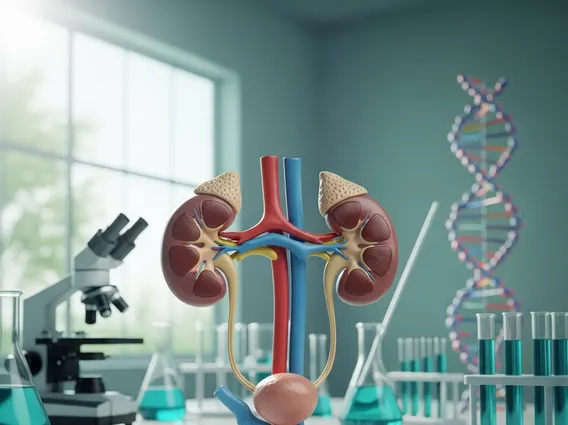
Key Takeaways
- The urinary system filters blood, removes waste, and produces urine.
- It comprises the kidneys, ureters, bladder, and urethra.
- Key functions include waste excretion, fluid balance, and blood pressure regulation.
- The kidneys are central to filtering approximately 120-150 quarts of blood daily.
- Maintaining a healthy urinary system is crucial for overall bodily homeostasis.
What is the Urinary System?
The Urinary System, also known as the renal system, is a group of organs that work together to produce, store, and eliminate urine. Its primary function is to maintain homeostasis by regulating blood volume and pressure, controlling electrolyte levels, and removing metabolic waste products. This complex system ensures the body’s internal environment remains stable, preventing the buildup of toxins that could lead to serious health issues.
The process begins with the kidneys, which filter the blood to remove excess water, salts, and waste substances like urea and creatinine. These filtered substances are then converted into urine, which travels through a series of tubes and is stored before being expelled from the body. According to the National Institute of Diabetes and Digestive and Kidney Diseases (NIDDK), the kidneys filter about 120 to 150 quarts of blood to produce approximately 1 to 2 quarts of urine daily, highlighting their immense workload and importance.
Parts of the Urinary System Explained
Understanding the individual parts of the urinary system explained is key to grasping its overall function. Each component plays a specific role in the filtration, collection, and excretion of urine. These organs work in a coordinated manner to ensure efficient waste removal and fluid regulation.
- Kidneys: These two bean-shaped organs are located on either side of the spine, just below the rib cage. They are the main filters of the blood, removing waste products and excess water to produce urine. The kidneys also play a role in regulating blood pressure, producing red blood cells, and maintaining bone health.
- Ureters: These are two thin tubes, about 10 to 12 inches long, that carry urine from the kidneys to the bladder. Muscles in the ureter walls continuously tighten and relax, forcing urine downward away from the kidneys.
- Bladder: A hollow, muscular, and elastic organ located in the pelvis. The bladder stores urine until it is full and ready to be emptied. Its capacity varies, but it can typically hold about 1.5 to 2 cups of urine.
- Urethra: This tube carries urine from the bladder out of the body. In males, the urethra is longer and also carries semen. In females, it is shorter and serves only the urinary function.
Functions of the Urinary System
The functions of the urinary system are critical for maintaining the body’s internal balance and overall health. Beyond simply producing and excreting urine, this system performs several vital roles that impact nearly every other bodily system. The coordinated action of its organs ensures the efficient removal of harmful substances and the precise regulation of essential components.
Key functions include:
- Waste Excretion: The primary function is to filter metabolic waste products from the blood, such as urea (from protein breakdown), creatinine (from muscle metabolism), and uric acid (from nucleic acid breakdown). These wastes are dissolved in water and excreted as urine.
- Fluid and Electrolyte Balance: The kidneys meticulously regulate the amount of water and electrolytes (like sodium, potassium, calcium, and phosphate) in the body. They can adjust urine concentration to conserve water when dehydrated or excrete excess water when overhydrated, thereby maintaining proper fluid volume and electrolyte concentrations.
- Blood Pressure Regulation: The kidneys produce hormones like renin, which plays a crucial role in the renin-angiotensin-aldosterone system (RAAS). This system helps regulate blood pressure by controlling blood vessel constriction and fluid retention.
- Red Blood Cell Production: The kidneys release erythropoietin, a hormone that stimulates the bone marrow to produce red blood cells. Chronic kidney disease can lead to anemia due to insufficient erythropoietin production.
- Bone Health: The kidneys are involved in activating vitamin D, which is essential for calcium absorption from the diet and maintaining healthy bones.
These functions collectively demonstrate how the urinary system works to ensure the body’s internal environment remains stable and free from harmful accumulations, highlighting its indispensable role in human physiology.



















