Urethra
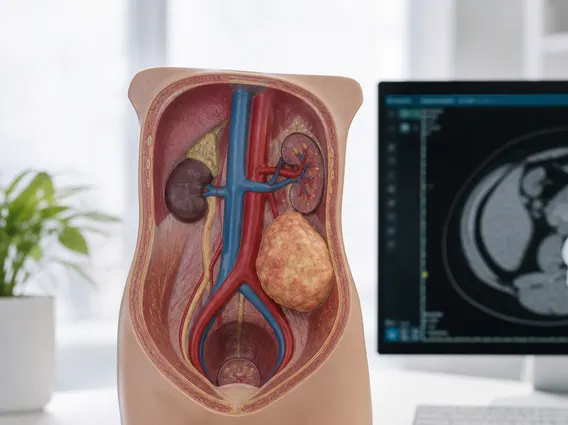
The Urethra is a vital tube in the human body that plays a crucial role in the urinary system. It serves as the exit pathway for urine, connecting the bladder to the outside of the body.

Key Takeaways
- The urethra is a tube that transports urine from the bladder out of the body.
- Its anatomy differs significantly between males and females, affecting its length and additional functions.
- In males, the urethra also serves as a conduit for semen during ejaculation.
- Proper urethra function is essential for urinary health and, in males, reproductive function.
- Common issues like infections, inflammation, or blockages can lead to various uncomfortable symptoms.
What is the Urethra: Anatomy and Location
The urethra refers to the tubular structure responsible for expelling urine from the bladder. Its primary role is to transport urine from the bladder to the external environment. The urethra location in human body varies significantly between sexes due to anatomical differences.
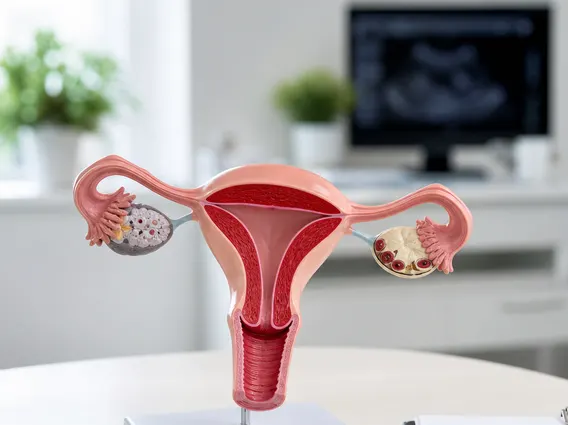
In females, the urethra is relatively short, typically about 3-4 centimeters (1.5 inches) long, and opens just above the vaginal opening. Its short length makes females more susceptible to urinary tract infections (UTIs) as bacteria have a shorter distance to travel to reach the bladder. In males, the urethra is considerably longer, approximately 15-20 centimeters (6-8 inches) long, and extends from the bladder through the prostate gland and the penis, opening at the tip. This longer length provides a natural barrier against ascending infections.
Both male and female urethras are lined with mucous membranes and contain specialized glands. The male urethra is further divided into several segments: the pre-prostatic urethra, prostatic urethra, membranous urethra, and spongy (penile) urethra, each with distinct anatomical features and surrounding structures.
Urethra Function and Its Role
The primary urethra function and anatomy are centered around the excretion of urine. When the bladder fills with urine, stretch receptors signal the brain, initiating the urge to urinate. During urination, the bladder muscles contract, and the sphincter muscles surrounding the urethra relax, allowing urine to flow out of the body. This coordinated action ensures efficient and controlled voiding.
Beyond its role in urination, the male urethra has an additional, crucial function: it serves as the passageway for semen during ejaculation. This dual role means that any issues affecting the male urethra can impact both urinary and reproductive health. The internal and external urethral sphincters, composed of smooth and skeletal muscle respectively, are critical for maintaining continence and controlling the flow of urine.
The urethra’s muscular walls also contribute to the propulsion of urine and semen. Its intricate design, including its lining and surrounding musculature, protects against infection and ensures the smooth passage of fluids.
Common Urethra Problems and Symptoms
A range of conditions can affect the urethra, leading to various uncomfortable and sometimes serious urethra problems symptoms. Understanding these issues is important for timely diagnosis and treatment.
Common problems include:
- Urethritis: Inflammation of the urethra, often caused by bacterial or viral infections (including sexually transmitted infections like gonorrhea or chlamydia). Symptoms typically include painful urination (dysuria), frequent urination, and discharge from the urethra.
- Urinary Tract Infections (UTIs): While UTIs primarily affect the bladder, the urethra is the entry point for bacteria. Symptoms can include burning during urination, frequent urges to urinate, cloudy or strong-smelling urine, and pelvic pain.
- Urethral Stricture: A narrowing of the urethra, usually caused by scar tissue from injury, infection, or inflammation. This can obstruct urine flow, leading to symptoms like a weak urine stream, difficulty urinating, incomplete bladder emptying, and recurrent UTIs.
- Urethral Syndrome: A condition characterized by symptoms of a UTI (painful and frequent urination) but without evidence of bacterial infection. The exact cause is often unclear but may involve irritation or inflammation.
- Urethral Cancer: A rare form of cancer that originates in the cells lining the urethra. Symptoms can include blood in the urine (hematuria), a palpable lump or mass, difficulty urinating, and discharge.
If you experience any persistent or severe urinary symptoms, it is important to consult a healthcare professional for an accurate diagnosis and appropriate treatment plan.