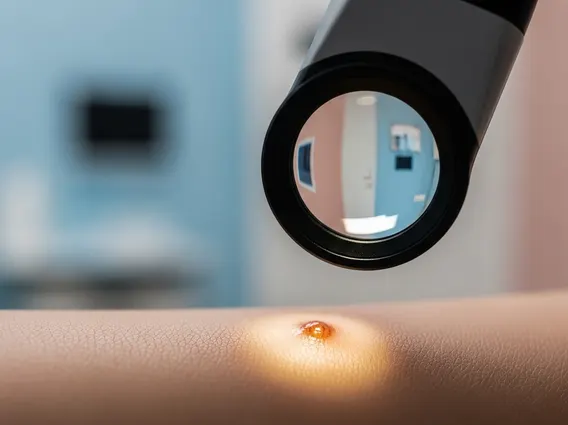
Senile Keratosis
Senile Keratosis, also known as actinic keratosis, is a common skin condition characterized by rough, scaly patches that develop on sun-exposed areas of the skin. While often benign, these lesions are considered precancerous and warrant medical attention.

Key Takeaways
- Senile Keratosis is a common precancerous skin lesion primarily caused by chronic sun exposure.
- Symptoms include rough, scaly, or crusty patches, often appearing on the face, scalp, hands, and forearms.
- Although most lesions remain benign, a small percentage can progress to squamous cell carcinoma, a form of skin cancer.
- Various effective treatments are available, including cryotherapy, topical medications, and photodynamic therapy.
- Regular skin checks and consistent sun protection are crucial for prevention and early detection of these lesions.
What is Senile Keratosis? Symptoms and Causes
Senile Keratosis is a prevalent skin condition that manifests as rough, scaly patches or lesions on the skin, primarily in areas frequently exposed to the sun. Medically, it is more commonly referred to as actinic keratosis. These lesions are considered a form of solar damage and are classified as precancerous, meaning they have the potential to develop into skin cancer over time.
The primary cause of senile keratosis is prolonged and cumulative exposure to ultraviolet (UV) radiation from the sun or artificial tanning devices. This damage alters skin cells, leading to abnormal growth. Several factors increase an individual’s risk of developing these lesions:
- Fair Skin: Individuals with light skin, blue or green eyes, and blonde or red hair are more susceptible.
- Age: The condition is more common in older adults, as it results from years of sun exposure.
- History of Sunburns: Severe sunburns, especially during childhood, significantly increase risk.
- Weakened Immune System: People with compromised immune systems are more prone to developing senile keratosis.
- Outdoor Lifestyle: Occupations or hobbies involving extensive time outdoors without adequate sun protection.
The typical appearance of senile keratosis symptoms includes patches that are rough to the touch, feeling like sandpaper. They can range in color from skin-toned to reddish-brown, pink, or even yellow, and may be flat or slightly raised. Common locations include the face, ears, scalp, neck, hands, and forearms.
Treatment Options for Senile Keratosis
Given the precancerous nature of senile keratosis, treatment is often recommended to prevent progression to squamous cell carcinoma. The choice of treatment depends on various factors, including the number, size, and location of the lesions, as well as the patient’s overall health and preferences. Effective treatment for senile keratosis aims to remove or destroy the affected skin cells.
Common treatment modalities include:
| Treatment Method | Description |
|---|---|
| Cryotherapy | Liquid nitrogen is applied to freeze and destroy the lesions, which then blister and fall off. |
| Topical Medications | Creams or gels containing active ingredients like fluorouracil, imiquimod, or diclofenac are applied to the skin to destroy abnormal cells. |
| Photodynamic Therapy (PDT) | A light-sensitizing solution is applied to the skin, followed by exposure to a special light that activates the solution to destroy the lesions. |
| Curettage and Electrosurgery | The lesion is scraped off with a curette, and the base is then burned with an electric needle to destroy any remaining abnormal cells. |
| Chemical Peels/Laser Resurfacing | These procedures remove the outer layers of skin, including the lesions, and promote the growth of new, healthier skin. |
Regular follow-up appointments with a dermatologist are essential after treatment to monitor for new lesions or recurrence.
Is Senile Keratosis Dangerous? Prognosis and Risk
Many individuals wonder, “Is senile keratosis dangerous?” While most individual senile keratosis lesions remain benign, they are considered a marker of significant sun damage and carry a small but definite risk of progressing to invasive squamous cell carcinoma (SCC), a common type of skin cancer. According to the American Academy of Dermatology, approximately 5-10% of actinic keratoses may progress to squamous cell carcinoma if left untreated.
The prognosis for senile keratosis is generally excellent with early detection and appropriate treatment. When treated promptly, the risk of progression to invasive cancer is significantly reduced. However, individuals who have developed senile keratosis are at an increased risk for developing other forms of skin cancer, including basal cell carcinoma and melanoma, due to their history of sun exposure.
Therefore, ongoing vigilance is crucial. Regular self-skin examinations and annual professional dermatological check-ups are highly recommended. Furthermore, strict adherence to sun protection measures is vital for preventing new lesions and reducing the overall risk of skin cancer. This includes using broad-spectrum sunscreen with an SPF of 30 or higher, wearing protective clothing, seeking shade during peak sun hours, and avoiding tanning beds.