Cystic Nephroma
Cystic nephroma is a rare, non-cancerous kidney tumor characterized by multiple fluid-filled cysts. Understanding this condition is crucial for accurate diagnosis and appropriate management, ensuring the best possible outcomes for affected individuals.

Key Takeaways
- Cystic Nephroma is a rare, benign kidney tumor composed of numerous non-communicating cysts.
- It often presents without symptoms and is frequently discovered incidentally during imaging for other conditions.
- Diagnosis typically involves advanced imaging techniques like CT or MRI, with definitive confirmation through histopathological examination after surgical removal.
- The primary treatment is surgical removal, which can involve partial or radical nephrectomy.
- The prognosis for cystic nephroma is excellent due to its benign nature, with a very low risk of recurrence after complete excision.
What is Cystic Nephroma?
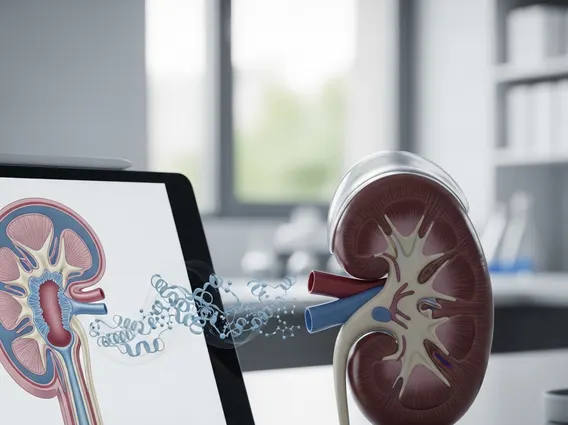
Cystic nephroma refers to a rare, benign renal tumor characterized by its distinctive multi-cystic structure. It is composed of numerous fluid-filled cysts that do not communicate with each other, separated by septa containing mature renal tubules. This condition is considered a developmental anomaly rather than a true neoplasm by some, though it exhibits tumor-like growth. It is distinct from other cystic kidney diseases and malignant cystic renal tumors.
While it can occur at any age, there are two peaks in incidence: one in early childhood, predominantly affecting males, and another in adulthood, primarily affecting females in their 40s to 60s. The term benign cystic nephroma explained highlights its non-malignant nature, meaning it does not spread to other parts of the body. Despite its benign status, differentiation from malignant cystic renal masses is critical for proper patient management, often requiring careful radiological and pathological evaluation.
Cystic Nephroma Symptoms and Diagnosis
Many individuals with cystic nephroma are asymptomatic, meaning they experience no noticeable symptoms. The tumor is often discovered incidentally during imaging studies performed for unrelated conditions. When symptoms do occur, they are typically non-specific and may include:
- A palpable abdominal mass or swelling
- Abdominal or flank pain
- Hematuria (blood in the urine)
- Hypertension (high blood pressure)
- Urinary tract infections
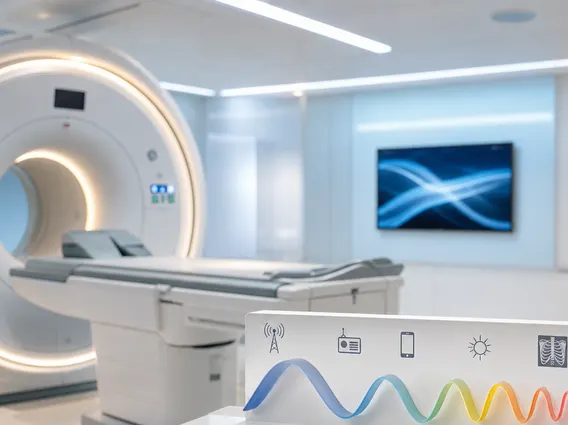
The diagnosis of cystic nephroma relies heavily on imaging techniques. Ultrasound, computed tomography (CT) scans, and magnetic resonance imaging (MRI) are commonly used to visualize the kidney and characterize the mass. These imaging modalities can reveal the multi-cystic nature of the lesion, the presence of septa, and the absence of solid components, which helps differentiate it from other renal pathologies. However, definitive diagnosis often requires histopathological examination of the excised tissue, as radiological features alone may not always be sufficient to rule out malignancy completely. This comprehensive approach ensures accurate identification and guides subsequent treatment decisions.
Treatment and Management of Cystic Nephroma
The primary approach for cystic nephroma diagnosis and treatment is surgical removal. Given its benign nature, the goal of surgery is complete excision of the tumor while preserving as much healthy kidney tissue as possible. The specific surgical procedure depends on the size and location of the tumor:
- Partial Nephrectomy: This involves removing only the tumor and a small margin of surrounding healthy tissue. It is often preferred for smaller, well-localized lesions to preserve renal function.
- Radical Nephrectomy: In cases where the tumor is very large, involves critical renal structures, or if there is diagnostic uncertainty, the entire kidney may need to be removed.
Following surgical excision, the prognosis for cystic nephroma is excellent, with a very low risk of recurrence. Patients typically undergo follow-up imaging to monitor for any changes or complications. Due to its benign characteristics, long-term outcomes are generally favorable, and most patients recover fully without further issues. Regular check-ups with a urologist or nephrologist are recommended to ensure continued well-being and to address any potential concerns.