Cystectomy
Cystectomy is a significant surgical procedure involving the removal of part or all of the urinary bladder. It is primarily performed to treat bladder cancer but can also be indicated for other severe bladder conditions.
Key Takeaways
- Cystectomy is a surgical procedure to remove part or all of the bladder, most commonly for bladder cancer.
- There are two main types: partial cystectomy (removing a portion) and radical cystectomy (removing the entire bladder and nearby structures).
- Surgical techniques include open surgery, laparoscopic, and robotic-assisted approaches.
- Recovery involves a hospital stay, pain management, and adapting to urinary diversion methods if a radical cystectomy is performed.
- Understanding the procedure and recovery expectations is crucial for patients undergoing this surgery.
What is Cystectomy: Definition and Indications
Cystectomy refers to the surgical removal of the urinary bladder, either partially or completely. This complex procedure is a critical treatment option for various severe bladder conditions, with bladder cancer being the most common indication. According to the American Cancer Society, bladder cancer is among the most frequently diagnosed cancers, and cystectomy plays a vital role in its management, especially for muscle-invasive disease.
The primary indications for a cystectomy include:
- Muscle-invasive bladder cancer: When cancer has grown into the muscular wall of the bladder, radical cystectomy is often the recommended treatment.
- High-grade non-muscle-invasive bladder cancer: For cases that are aggressive or recur frequently despite other treatments.
- Recurrent or intractable benign bladder conditions: Such as severe interstitial cystitis or chronic pain, when other treatments have failed.
- Congenital bladder abnormalities: In rare instances, severe birth defects of the bladder may necessitate its removal.
Cystectomy Procedure Explained: Types and Techniques
The Cystectomy procedure explained involves different approaches depending on the extent of the disease and the patient’s overall health. The primary goal is to remove the diseased portion of the bladder while preserving as much function as possible or creating an effective urinary diversion.
There are two main types of cystectomy operations:
| Type of Cystectomy | Description | Indications |
|---|---|---|
| Partial Cystectomy | Removes only a portion of the bladder, allowing the remaining part to store urine. | Small, localized cancers not deeply invasive; preserves natural urination. |
| Radical Cystectomy | Removes the entire bladder along with nearby organs (e.g., prostate/seminal vesicles in men; uterus/ovaries/part of vagina in women). | Muscle-invasive bladder cancer; requires urinary diversion. |
Surgical techniques for Cystectomy surgery have evolved significantly. Traditionally, an open approach was used, involving a large incision in the abdomen. More recently, minimally invasive techniques have become common, offering benefits like less blood loss and faster recovery. These include:
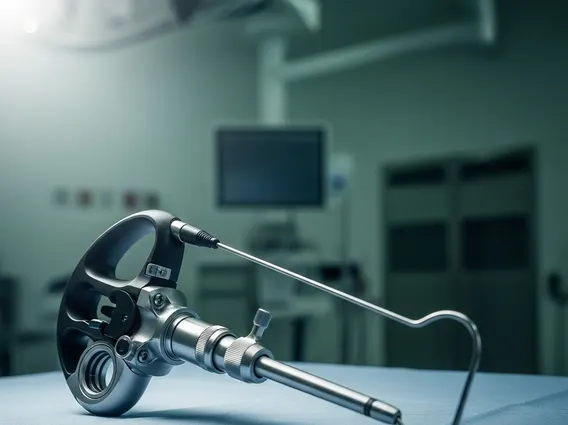
- Laparoscopic Cystectomy: Performed through several small incisions using specialized instruments and a camera.
- Robotic-Assisted Laparoscopic Cystectomy: Similar to laparoscopic surgery but utilizes a robotic system controlled by the surgeon, providing enhanced precision and dexterity.
Recovery After Cystectomy Surgery: What to Expect
Recovery after cystectomy surgery is a significant process that requires careful management and patient education. The duration and specifics of recovery depend on the type of cystectomy performed, the surgical technique used, and the patient’s overall health.
Immediately after surgery, patients typically spend several days to a week in the hospital. During this time, pain management is a priority, and patients will have various tubes and drains, including catheters. For those undergoing radical cystectomy, adapting to a urinary diversion method is a crucial part of recovery. Patients will receive detailed instructions on stoma care (if applicable), managing their urinary diversion, diet, activity restrictions, and potential complications to watch for.
Common urinary diversion options include:
- Ileal Conduit: A segment of the small intestine is used to create a passageway for urine to flow from the kidneys to an opening (stoma) on the abdominal wall, where it collects in an external pouch.
- Continent Cutaneous Reservoir: An internal pouch is created from a segment of the intestine, which stores urine and is emptied periodically by inserting a catheter through a stoma.
- Neobladder: A new bladder is constructed from a segment of the intestine and connected to the urethra, allowing for more natural urination, though it may require self-catheterization initially.
Full recovery can take several weeks to months, during which patients gradually regain strength and adapt to their new normal. Regular follow-up appointments are essential to monitor recovery, manage any long-term side effects, and screen for recurrence of the underlying condition.