Total Skin Electron Beam Radiation Therapy
Total Skin Electron Beam Radiation Therapy (TSEB) is a specialized form of external beam radiation used to treat widespread superficial skin conditions, primarily certain types of skin cancer. This advanced therapy delivers a precise dose of electrons to the entire skin surface while minimizing penetration to underlying organs.
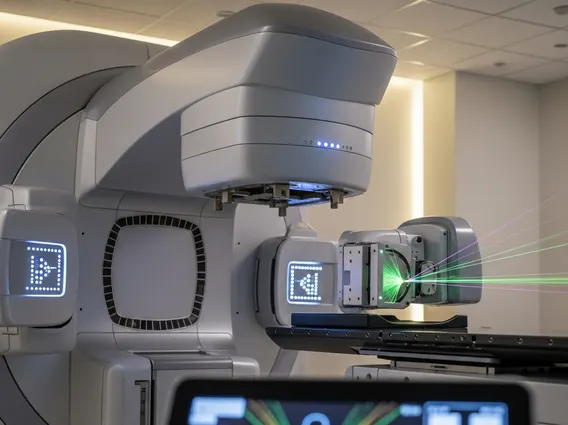
Key Takeaways
- Total Skin Electron Beam Radiation Therapy (TSEB) is a highly specialized radiation treatment targeting the entire skin surface.
- It primarily uses low-energy electrons to treat widespread superficial skin cancers, such as cutaneous T-cell lymphoma.
- The treatment minimizes radiation exposure to internal organs due to the shallow penetration of electrons.
- Patients undergo treatment in various positions to ensure uniform dose distribution across the skin.
- TSEB is often part of a comprehensive treatment plan aimed at controlling disease and improving quality of life.
What is Total Skin Electron Beam Radiation Therapy (TSEB)?
Total Skin Electron Beam Radiation Therapy (TSEB) is a highly specialized form of external beam radiation that delivers a uniform dose of electrons to the entire surface of the skin. This unique approach is designed to treat conditions that affect the skin extensively, without significantly impacting deeper tissues or internal organs. The therapy utilizes electron beams, which have a limited depth of penetration compared to photons, making them ideal for targeting superficial lesions.
The primary application for TSEB radiation therapy for skin cancer is in managing widespread cutaneous T-cell lymphoma (CTCL), particularly mycosis fungoides, when the disease covers a significant portion of the body. It aims to control the disease, alleviate symptoms like itching and skin lesions, and improve the patient’s quality of life. This treatment requires highly specialized equipment and expertise, typically found in larger academic or comprehensive cancer centers.
How Total Skin Electron Beam (TSEB) Radiation Works
The mechanism behind Total Skin Electron Beam (TSEB) radiation involves using a linear accelerator to produce low-energy electron beams. These electrons are carefully calibrated to penetrate only a few millimeters into the skin, ensuring that the radiation dose is concentrated where it’s needed most—in the superficial layers of the skin—while sparing underlying muscles, bones, and vital organs. This shallow penetration is crucial for minimizing side effects associated with deeper radiation exposure.
During a Total Skin Electron Beam Radiation Treatment session, patients are positioned at a specific distance from the linear accelerator, often standing or lying in various carefully planned positions. A common technique, known as the “Stanford technique,” involves treating the patient from multiple angles (typically six to eight positions) to ensure that the entire skin surface receives a uniform and therapeutic dose. This meticulous positioning helps to overcome the challenges of treating an irregular surface like the human body and ensures comprehensive coverage. Treatment is typically delivered over several weeks, with daily or frequent sessions, depending on the specific protocol and the patient’s condition.
Conditions Treated with Total Skin Electron Beam (TSEB) Therapy
TSEB therapy is primarily indicated for widespread superficial skin malignancies, with its most common and effective application being in the treatment of cutaneous T-cell lymphoma (CTCL). CTCL is a rare type of non-Hodgkin lymphoma that primarily affects the skin, causing patches, plaques, tumors, or erythroderma (widespread redness). Mycosis fungoides, the most common subtype of CTCL, often benefits significantly from TSEB, especially in advanced stages where skin involvement is extensive.
According to the Lymphoma Research Foundation, CTCL affects approximately 3,000 new individuals in the United States each year, with mycosis fungoides accounting for about 50% of all CTCL cases. TSEB offers a crucial treatment option for these patients, providing palliative relief and disease control when other therapies may be insufficient or inappropriate. Beyond CTCL, TSEB may also be considered for other rare, diffuse skin cancers or conditions where widespread superficial radiation is necessary, although these applications are less common.
The goals of TSEB therapy for these conditions include:
- Reducing tumor burden and clearing skin lesions.
- Alleviating debilitating symptoms such as severe itching, pain, and skin inflammation.
- Improving the overall quality of life for patients with extensive skin involvement.
- Achieving long-term disease control, often in conjunction with systemic therapies.