Total Hysterectomy
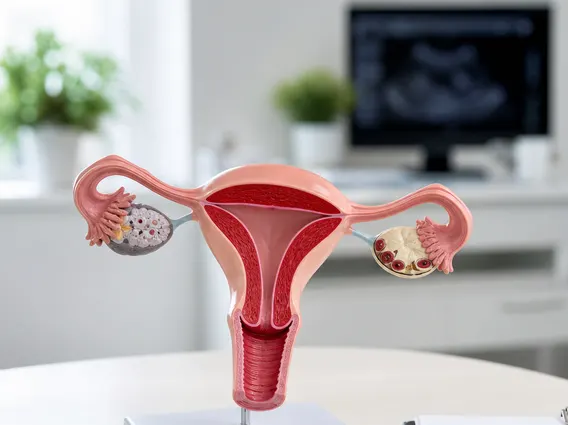
Total Hysterectomy is a significant surgical procedure involving the removal of a woman’s uterus and cervix. This operation is performed for various medical reasons, aiming to alleviate symptoms or treat underlying conditions affecting the female reproductive system.

Key Takeaways
- Total Hysterectomy involves the surgical removal of the uterus and cervix.
- Common reasons for Total Hysterectomy include uterine fibroids, endometriosis, and certain cancers.
- The total hysterectomy procedure details vary by surgical approach, such as abdominal, vaginal, or laparoscopic methods.
- Total hysterectomy recovery time typically ranges from 2 to 6 weeks, depending on the surgical technique and individual factors.
- Patients should follow post-operative care instructions carefully to ensure a smooth recovery.
What is Total Hysterectomy?
Total Hysterectomy refers to a surgical procedure that involves the complete removal of the uterus, including the cervix. This is distinct from a supracervical (or subtotal) hysterectomy, where the cervix is left intact. The procedure is one of the most common gynecological surgeries performed globally, with hundreds of thousands of procedures annually in the United States alone, according to data from the Centers for Disease Control and Prevention (CDC).
The decision to undergo a Total Hysterectomy is often made after careful consideration of a woman’s health, symptoms, and other treatment options. It can be performed through different surgical approaches: abdominally (via an incision in the abdomen), vaginally (through the vagina), or minimally invasively using laparoscopic or robotic-assisted techniques. Each method has implications for the surgical process and subsequent recovery.
Reasons and Procedure Details for Total Hysterectomy
There are several compelling reasons for Total Hysterectomy, often related to conditions that significantly impact a woman’s quality of life or pose serious health risks. These can include:
- Uterine Fibroids: Non-cancerous growths in the uterus that can cause heavy bleeding, pain, and pressure.
- Endometriosis: A condition where tissue similar to the lining of the uterus grows outside the uterus, leading to pain and infertility.
- Adenomyosis: A condition where the tissue that normally lines the uterus grows into the muscular wall of the uterus.
- Uterine Prolapse: When the uterus descends into the vaginal canal due to weakened pelvic floor muscles.
- Gynecological Cancers: Including cancer of the uterus, cervix, or ovaries (though ovarian removal, oophorectomy, is a separate procedure that may be performed concurrently).
- Chronic Pelvic Pain: When other treatments have failed to alleviate severe, persistent pelvic pain.
The total hysterectomy procedure details vary based on the chosen surgical approach. In an abdominal hysterectomy, an incision is made in the lower abdomen to access and remove the uterus and cervix. A vaginal hysterectomy involves removing the uterus and cervix through an incision made inside the vagina, leaving no external scars. Laparoscopic and robotic-assisted laparoscopic hysterectomies utilize small incisions, a camera, and specialized instruments to perform the surgery with less invasiveness, often resulting in quicker recovery times. The specific technique chosen depends on factors such as the size of the uterus, the reason for surgery, and the surgeon’s expertise.
Total Hysterectomy Recovery Time
The total hysterectomy recovery time is a crucial aspect for patients to understand, as it varies significantly based on the surgical method employed. Generally, recovery can range from a few weeks to several months. For minimally invasive procedures like laparoscopic or robotic-assisted hysterectomies, the typical hospital stay is shorter, often 1-2 days, and patients may feel significantly better within 2-4 weeks. However, full recovery, including the ability to resume all normal activities, can still take up to 6 weeks.
An abdominal hysterectomy, being a more invasive procedure, usually requires a longer hospital stay, typically 2-4 days, and a more extended recovery period at home. Patients undergoing an abdominal hysterectomy can expect a full recovery to take 6-8 weeks, during which time heavy lifting, strenuous exercise, and sexual activity are restricted. Regardless of the surgical approach, post-operative care involves managing pain, monitoring for complications, and gradually increasing activity levels as advised by the healthcare provider. Adhering to these guidelines is essential for a smooth and complete recovery.