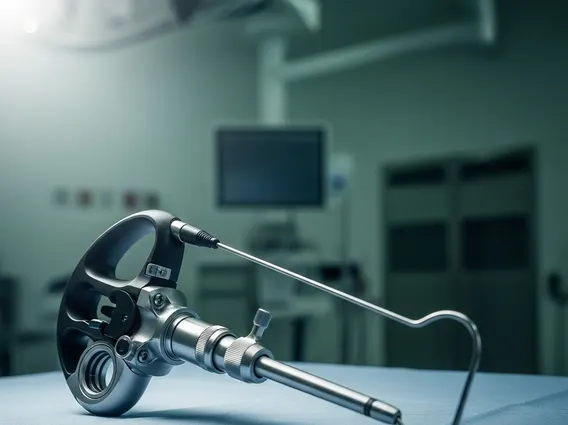
Supraglottic Laryngectomy
Supraglottic laryngectomy is a specialized surgical procedure designed to remove cancerous tumors located in the upper part of the larynx, known as the supraglottis. This operation aims to eradicate cancer while striving to preserve essential functions such as speech and swallowing.

Key Takeaways
- Supraglottic Laryngectomy is a surgical procedure to remove cancer from the supraglottis, the upper section of the voice box.
- The primary goal is to effectively treat early-stage supraglottic laryngeal cancer while preserving the patient’s ability to speak and swallow.
- The procedure involves the precise removal of structures like the epiglottis and false vocal cords, followed by careful reconstruction.
- Recovery often necessitates temporary measures such as a tracheostomy and feeding tube, alongside intensive voice and swallowing rehabilitation.
- Successful outcomes are significantly influenced by early detection and a comprehensive, multidisciplinary approach to patient care.
What is Supraglottic Laryngectomy?
Supraglottic Laryngectomy refers to a surgical intervention that involves the partial removal of the larynx, specifically targeting the supraglottic region. This area includes the epiglottis, aryepiglottic folds, and false vocal cords, which are situated above the true vocal cords. The procedure is a form of organ-preserving surgery, meaning that while cancerous tissue is removed, efforts are made to leave the true vocal cords intact, thereby aiming to maintain the patient’s voice and swallowing capabilities as much as possible.
This type of laryngectomy is distinct from a total laryngectomy, which involves the complete removal of the voice box. The decision to perform a supraglottic laryngectomy is based on the tumor’s size, location, and extent, ensuring that adequate margins can be achieved while preserving critical laryngeal functions. It represents a significant advancement in head and neck oncology, offering a balance between oncological efficacy and functional preservation for select patients.
Supraglottic Laryngectomy: Procedure and Indications
The **supraglottic laryngectomy procedure explained** involves several meticulous steps performed under general anesthesia. Surgeons typically access the larynx through an incision in the neck. The cancerous portion of the supraglottis, including the epiglottis, false vocal cords, and sometimes parts of the aryepiglottic folds, is carefully resected. Crucially, the true vocal cords and the cricoid cartilage are preserved. After tumor removal, the remaining laryngeal structures are reconstructed to facilitate swallowing and breathing. This often involves bringing the base of the tongue or pharyngeal mucosa forward to create a new protective barrier over the airway during swallowing. A temporary tracheostomy and a feeding tube are commonly placed to support breathing and nutrition during the initial healing phase.
The **supraglottic laryngectomy indications** primarily include early to moderately advanced squamous cell carcinomas confined to the supraglottis. Key criteria for suitability include:
- Tumors limited to the supraglottic region without involvement of the true vocal cords or subglottis.
- Adequate pulmonary function to manage potential aspiration risks post-surgery.
- Absence of extensive lymph node metastasis or distant spread.
- The patient’s ability to cooperate with postoperative rehabilitation, especially swallowing therapy.
According to the American Cancer Society, laryngeal cancer accounts for approximately 12,000 new cases annually in the United States, with supraglottic tumors representing a significant proportion of these cases. Early detection is crucial for patients to be candidates for voice-preserving surgeries like supraglottic laryngectomy, which can offer excellent oncological control with improved quality of life compared to more extensive resections.
Recovery After Supraglottic Laryngectomy
The **recovery after supraglottic laryngectomy** is a critical phase that requires dedicated care and rehabilitation. Immediately following surgery, patients will typically have a tracheostomy tube for breathing and a nasogastric or gastrostomy tube for feeding, as swallowing can be significantly impaired initially. The primary focus during recovery is on preventing aspiration (food or liquid entering the airway) and restoring safe swallowing function. This often involves intensive swallowing therapy with speech-language pathologists, who guide patients through exercises to strengthen swallowing muscles and learn compensatory techniques.
The timeline for recovery varies among individuals but generally spans several weeks to months. The tracheostomy tube is usually removed once the patient can breathe comfortably through their mouth and nose, and the feeding tube is discontinued when oral intake is safe and sufficient to maintain nutrition. Patients may experience temporary changes in voice quality, such as hoarseness or a weaker voice, which often improve with voice therapy. Regular follow-up appointments with the surgical team, oncologists, and rehabilitation specialists are essential to monitor healing, manage potential complications, and ensure long-term functional recovery and cancer surveillance.