Suction Aspiration
Suction Aspiration is a fundamental medical procedure involving the removal of fluids, gases, or tissue from the body using negative pressure. It plays a critical role in maintaining patient safety and facilitating various diagnostic and therapeutic interventions.
Key Takeaways
- Suction Aspiration is a medical procedure that uses negative pressure to remove substances from the body.
- It operates by creating a vacuum, drawing out fluids, gases, or tissue through a catheter or tube.
- The procedure is essential for clearing airways, maintaining a clear surgical field, and removing unwanted accumulations.
- Common applications include respiratory care, surgical interventions, and emergency medicine.
What is Suction Aspiration: Definition and Purpose
Suction Aspiration refers to a medical technique that utilizes a vacuum or negative pressure to extract fluids, gases, or semi-solid materials from a body cavity, wound, or airway. This procedure is crucial across various medical disciplines, serving both diagnostic and therapeutic purposes. Its primary objective is to clear obstructions, remove harmful substances, or collect samples for analysis, thereby preventing complications and supporting patient recovery.
The purpose of suction aspiration extends from immediate life-saving interventions, such as clearing an obstructed airway, to more routine applications like maintaining a dry surgical field. By effectively removing unwanted substances, it helps to restore normal physiological function, reduce the risk of infection, and improve visibility for medical professionals during procedures. This versatility makes it an indispensable tool in hospitals, clinics, and emergency settings worldwide.
How Suction Aspiration Works: Procedure and Mechanism
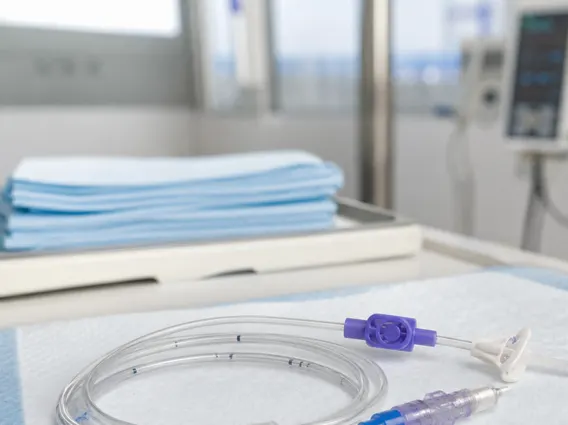
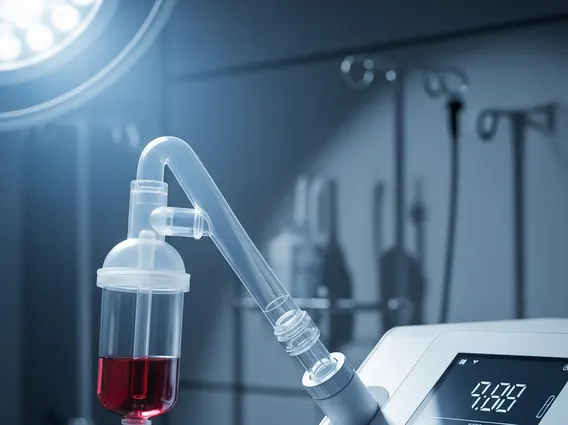
The mechanism behind suction aspiration relies on creating a pressure differential. A suction pump or device generates negative pressure, which is then transmitted through a collection tube and a catheter or cannula. When the tip of the catheter is placed near the target substance, the lower pressure inside the system draws the material into the collection vessel. The efficiency of this process depends on factors such as the strength of the vacuum, the diameter of the catheter, and the viscosity of the substance being aspirated.
The suction aspiration procedure explained involves several key steps. First, appropriate equipment, including a suction machine, collection canister, and a sterile catheter of suitable size, is prepared. The catheter is then carefully inserted into the area requiring aspiration, such as the trachea, a surgical site, or a fluid-filled cavity. Once positioned, the suction is activated, and the unwanted material is drawn out. Medical professionals monitor the patient closely throughout the procedure to ensure safety and effectiveness, adjusting the suction pressure as needed to prevent tissue damage.
Common types of suction aspiration include:
- Oropharyngeal and Nasopharyngeal Suctioning: Used to clear secretions from the upper airway.
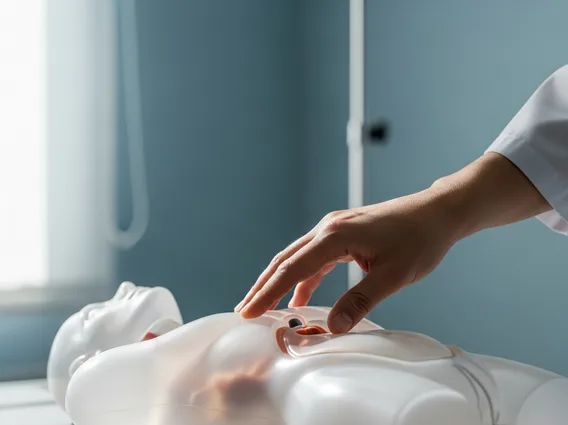
- Tracheal Suctioning: Performed to remove secretions from the lower airway in intubated or tracheostomized patients.
- Surgical Suctioning: Maintains a clear operative field by removing blood and other fluids during surgery.
- Gastrointestinal Suctioning: Used to decompress the stomach or remove gastric contents.
Medical Applications of Suction Aspiration
The suction aspiration medical uses are extensive and critical across numerous medical specialties. In emergency medicine, it is vital for clearing airways compromised by vomit, blood, or excessive secretions, which can be life-saving. For instance, respiratory aspiration, where foreign material enters the lungs, can lead to serious complications like pneumonia; prompt suctioning can mitigate these risks. According to the World Health Organization (WHO), respiratory diseases remain a leading cause of death globally, underscoring the importance of effective airway management techniques like suction aspiration.
In surgical settings, suction aspiration is indispensable for maintaining visibility and preventing complications. Surgeons use it to remove blood, irrigation fluids, and tissue debris, ensuring a clear view of the operative field and reducing the risk of infection. Beyond acute care, it is also employed in diagnostic procedures, such as fine-needle aspiration biopsies, where cells or fluid are extracted for pathological examination. This broad range of applications highlights suction aspiration’s role as a versatile and essential tool in modern healthcare, contributing significantly to patient safety and successful medical outcomes.