Computed Tomography Angiography
Computed Tomography Angiography (CTA) is a sophisticated medical imaging technique that provides detailed views of blood vessels throughout the body. It plays a crucial role in diagnosing and managing a wide range of vascular conditions, offering non-invasive insights into arterial and venous structures.
Key Takeaways
- CTA is an advanced imaging method using X-rays and contrast dye to visualize blood vessels.
- It is essential for detecting blockages, aneurysms, and other vascular abnormalities.
- The procedure involves intravenous contrast administration and a CT scan, typically lasting a short duration.
- Key benefits include its non-invasive nature and detailed imaging, aiding in precise diagnosis.
- Potential risks, such as radiation exposure and contrast dye reactions, are carefully managed by medical professionals.
What is Computed Tomography Angiography (CTA)?
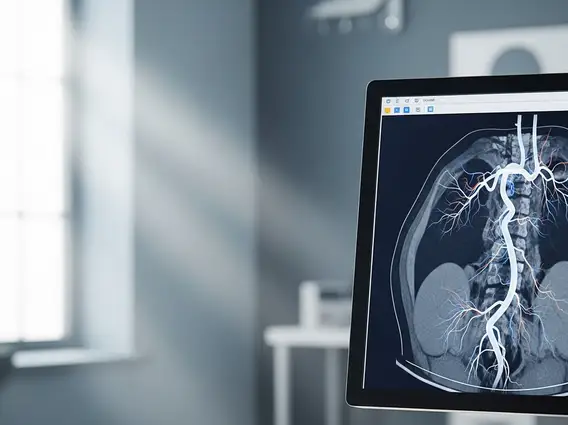
Computed Tomography Angiography (CTA) is a diagnostic imaging test that combines a standard CT scan with the injection of a contrast material to produce detailed images of blood vessels and blood flow. This specialized technique allows clinicians to visualize arteries and veins in various parts of the body, including the brain, heart, lungs, kidneys, and limbs. By using X-rays to create cross-sectional images, and then processing these images with advanced computer technology, CTA can generate 3D reconstructions of vascular structures, highlighting any abnormalities. The contrast material, typically iodine-based, is injected into a vein, making the blood vessels appear bright on the CT images as it flows through them. This enhanced visibility is critical for identifying conditions that affect blood circulation.
Computed Tomography Angiography Procedure and Uses
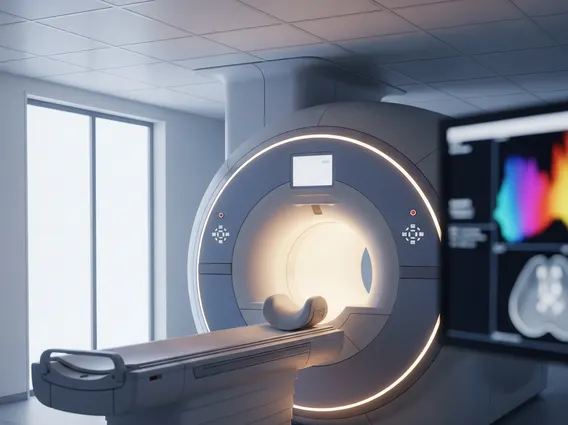
The computed tomography angiography procedure typically begins with the patient lying on a movable table that slides into the CT scanner. An intravenous (IV) line is inserted, usually into an arm vein, through which the contrast material is injected. The timing of the scan is crucial, as images must be captured precisely when the contrast material is flowing through the blood vessels of interest. Patients may be asked to hold their breath for short periods to minimize motion artifacts. The entire scan usually takes only a few minutes, though preparation and post-scan observation may extend the total time.
The computed tomography angiography uses are extensive, making it an invaluable tool across various medical specialties. It is frequently employed to:
- Detect and characterize aneurysms (bulges in blood vessel walls) in the brain, aorta, or other arteries.
- Identify arterial blockages or narrowings (stenosis) caused by atherosclerosis, which can lead to conditions like peripheral artery disease or stroke.
- Evaluate the blood supply to organs, such as the kidneys or lungs, to diagnose conditions like renal artery stenosis or pulmonary embolism.
- Assess traumatic injuries to blood vessels.
- Plan surgical or interventional procedures, such as stent placement or bypass surgery.
- Monitor the effectiveness of previous vascular treatments.
According to the American College of Radiology, CTA is a widely accepted and frequently used imaging modality for acute vascular conditions, demonstrating high accuracy in many clinical settings.
Benefits and Risks of Computed Tomography Angiography
The computed tomography angiography risks benefits profile makes it a preferred diagnostic choice for many vascular conditions. One of the primary benefits is its non-invasive nature compared to traditional catheter angiography, which involves inserting a catheter directly into an artery. CTA provides highly detailed images of blood vessels, often allowing for early and precise diagnosis of potentially life-threatening conditions. It is also relatively fast, which is crucial in emergency situations, and can be performed on an outpatient basis. The ability to generate 3D images aids surgeons and interventional radiologists in planning complex procedures.
However, like all medical procedures, CTA carries certain risks. The main concerns include:
- Radiation Exposure: CTA involves exposure to ionizing radiation. While the dose is generally considered low and the benefits typically outweigh the risks for necessary diagnostic information, medical professionals adhere to the “as low as reasonably achievable” (ALARA) principle.
- Allergic Reaction to Contrast Material: Some individuals may experience an allergic reaction to the iodine-based contrast dye, ranging from mild symptoms like hives or nausea to severe reactions such as difficulty breathing. Patients with known allergies or kidney problems are carefully screened.
- Kidney Function: The contrast material is processed by the kidneys, and there is a small risk of contrast-induced nephropathy, especially in patients with pre-existing kidney impairment. Hydration and careful monitoring are often employed to mitigate this risk.
Medical teams carefully weigh these factors, considering the patient’s overall health and the diagnostic information needed, to ensure the procedure is performed safely and effectively.