Cold Knife Cone Biopsy
A Cold Knife Cone Biopsy is a surgical procedure performed to remove a cone-shaped piece of tissue from the cervix. This procedure is crucial for diagnosing and treating abnormal or precancerous cells found during a Pap test or colposcopy.
Key Takeaways
- A Cold Knife Cone Biopsy is a surgical procedure to remove a cone-shaped tissue sample from the cervix.
- It is primarily used to diagnose and treat cervical dysplasia or early-stage cervical cancer.
- The procedure involves using a surgical scalpel under general or regional anesthesia.
- Recovery typically involves several weeks of restricted activity, including avoiding tampons and intercourse.
- Potential risks include bleeding, infection, and, rarely, future pregnancy complications.
What is a Cold Knife Cone Biopsy?
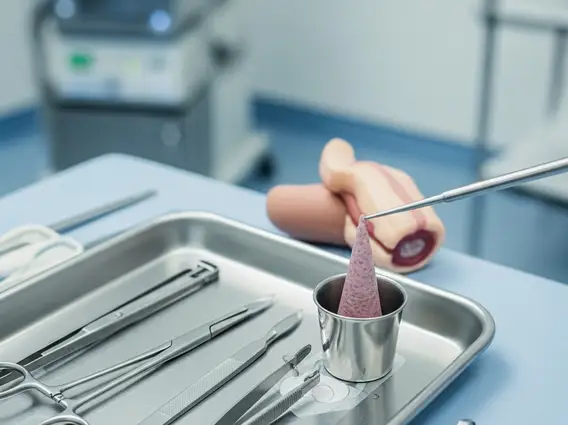
A Cold Knife Cone Biopsy refers to a surgical procedure where a cone-shaped piece of tissue is excised from the cervix using a surgical scalpel (cold knife). This method allows for the removal of abnormal cells while preserving the integrity of the tissue margins, which is vital for accurate pathological examination. The primary purpose of this biopsy is to confirm the presence and severity of abnormal cervical cells, known as cervical dysplasia, or to diagnose early-stage cervical cancer. It can also serve as a treatment by completely removing the affected tissue.
Unlike other procedures like the Loop Electrosurgical Excision Procedure (LEEP), which uses an electrically heated wire loop, the cold knife technique uses a traditional scalpel. This approach minimizes thermal artifact, meaning the edges of the tissue sample are not burned or altered by heat, allowing pathologists to more clearly assess the margins and determine if all abnormal cells have been removed. This precision is particularly important when high-grade dysplasia or early invasive cancer is suspected, ensuring a comprehensive diagnostic and potentially therapeutic outcome.
Cold Knife Cone Biopsy: Procedure, Recovery, and Risks
The cold knife cone biopsy procedure explanation involves several key steps, typically performed in an operating room under general or regional anesthesia. The surgeon carefully removes a cone-shaped section of the cervix, which includes the transformation zone where most abnormal cells develop. After the tissue is removed, stitches are often used to control any bleeding and to help reshape the cervix. The excised tissue is then sent to a pathology lab for microscopic examination to determine the exact nature and extent of the cellular changes.
Recovery After Cold Knife Cone Biopsy
Recovery after cold knife cone biopsy is a crucial period requiring careful adherence to post-operative instructions to prevent complications and promote healing. Patients can expect some cramping, light bleeding, and a watery or brownish discharge for several weeks. It is common to experience discomfort similar to menstrual cramps, which can usually be managed with over-the-counter pain relievers. To facilitate proper healing and reduce the risk of infection or hemorrhage, specific restrictions are typically advised:
- Avoid using tampons; use sanitary pads instead.
- Refrain from douching.
- Abstain from sexual intercourse for 4-6 weeks, or as advised by your doctor.
- Avoid heavy lifting or strenuous exercise for several weeks.
- Do not take baths; showers are generally permitted.
A follow-up appointment is usually scheduled a few weeks after the procedure to review pathology results and assess healing. It is important to contact your healthcare provider if you experience heavy bleeding, fever, severe pain, or foul-smelling discharge.
Cold Knife Cone Biopsy Risks and Benefits
Like any surgical procedure, there are potential cold knife cone biopsy risks and benefits. The benefits primarily include the accurate diagnosis of cervical abnormalities and the complete removal of precancerous or early cancerous lesions, potentially curing the condition. This precise diagnostic capability is a significant advantage, guiding subsequent treatment decisions.
However, potential risks must also be considered. These can include immediate complications such as excessive bleeding during or after the procedure, and infection. In the long term, some women may experience cervical stenosis (narrowing of the cervical opening), which can affect menstruation or fertility. For women who become pregnant after a cone biopsy, there is a slightly increased risk of premature birth or cervical incompetence, where the cervix may not remain closed during pregnancy. These risks are carefully weighed against the benefits of accurate diagnosis and treatment of potentially life-threatening conditions.