Col18a1
Col18a1 is a gene that plays a crucial role in the human body, primarily through its involvement in the extracellular matrix and the production of a significant protein. Understanding its functions is vital for insights into various physiological processes and disease mechanisms.
Key Takeaways
- Col18a1 encodes for the alpha-1 chain of type XVIII collagen, a component of basement membranes.
- It is a precursor to endostatin, a potent anti-angiogenic factor.
- The protein’s functions are critical in maintaining tissue structure and regulating blood vessel formation.
- Dysregulation of Col18a1 is implicated in various conditions, including cancer and eye diseases.
- Ongoing research explores its therapeutic potential and diagnostic utility.
What is Col18a1?
Col18a1 is the gene that encodes for the alpha-1 chain of type XVIII collagen, a complex protein found in the basement membranes of various tissues throughout the body. These basement membranes are specialized layers of extracellular matrix that provide structural support, filtration, and signaling cues to cells. The Col18a1 gene is located on chromosome 21 in humans and is essential for the integrity and function of these crucial tissue barriers.
The protein produced from the Col18a1 gene is unique among collagens because its C-terminal domain can be cleaved to release a smaller, biologically active fragment known as endostatin. This proteolytic processing is a key aspect of its overall function. Understanding Col18a1 involves recognizing its dual role: as a structural component of the extracellular matrix and as a precursor to a powerful regulatory molecule.
Col18a1 Protein Function and Biological Role
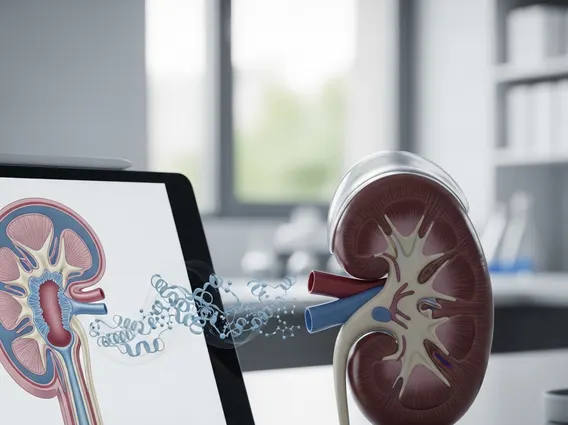
The Col18a1 protein function is multifaceted, primarily contributing to the structural integrity of basement membranes and regulating angiogenesis. As a type XVIII collagen, it helps anchor cells to the extracellular matrix and influences cell behavior, including adhesion, migration, and differentiation. Its presence is particularly notable in tissues like the retina, kidney glomeruli, and blood vessels.
A significant aspect of the Col18a1 biological role stems from its derivative, endostatin. Endostatin is a potent inhibitor of angiogenesis, the process by which new blood vessels form from pre-existing ones. It achieves this by interfering with endothelial cell proliferation, migration, and survival, effectively starving tumors of their blood supply. This anti-angiogenic activity makes Col18a1, through endostatin, a critical player in maintaining vascular homeostasis and suppressing tumor growth.
- Structural Support: Contributes to the stability and organization of basement membranes.
- Angiogenesis Regulation: Precursor to endostatin, which inhibits the formation of new blood vessels.
- Tissue Development: Influences cell-matrix interactions vital for tissue development and repair.
Col18a1 Research Overview and Significance
The Col18a1 research overview reveals its significant implications in various pathological conditions, particularly cancer. Due to endostatin’s anti-angiogenic properties, Col18a1 and its derived fragments have been extensively studied as potential therapeutic agents for cancer. Research has shown that increased levels of endostatin can inhibit tumor growth and metastasis in preclinical models. For instance, studies have explored recombinant endostatin as a treatment, with some clinical trials investigating its efficacy in various solid tumors.
Beyond cancer, dysregulation of Col18a1 is also linked to other diseases. Mutations in the Col18a1 gene are associated with Knobloch syndrome, a rare genetic disorder characterized by occipital encephalocele and severe eye abnormalities, highlighting its crucial role in normal development. Furthermore, its involvement in extracellular matrix remodeling suggests potential roles in fibrosis, inflammation, and other tissue-related pathologies. The ongoing research aims to fully elucidate its complex mechanisms and harness its therapeutic potential, positioning Col18a1 as a key focus in molecular medicine.