Enfortumab Vedotin
Enfortumab Vedotin is an advanced medication used in oncology, specifically designed to target and treat certain types of cancer. This innovative therapy represents a significant development in the fight against aggressive malignancies, offering a new approach for patients with specific disease characteristics.
Key Takeaways
- Enfortumab Vedotin is an antibody-drug conjugate (ADC) used in the treatment of specific urothelial cancers.
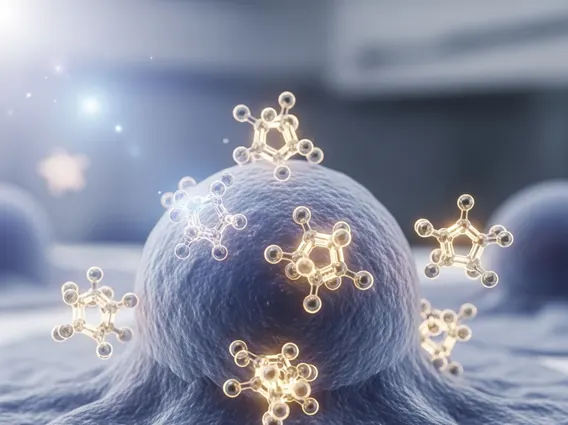
- It works by targeting the Nectin-4 protein on cancer cells, delivering a potent chemotherapy agent directly.
- The drug is approved for locally advanced or metastatic urothelial cancer, particularly after prior systemic therapies.
- Common side effects include skin reactions, fatigue, and peripheral neuropathy, requiring careful monitoring.
- Patients receiving this treatment should be closely managed by healthcare professionals due to potential risks and side effects.
What is Enfortumab Vedotin?
Enfortumab Vedotin is an antibody-drug conjugate (ADC), a sophisticated type of targeted therapy that combines a monoclonal antibody with a cytotoxic chemotherapy agent. This innovative design allows for the precise delivery of chemotherapy directly to cancer cells while minimizing damage to healthy tissues. The antibody component specifically binds to a protein called Nectin-4, which is highly expressed on the surface of many cancer cells, particularly in urothelial carcinoma. This targeted approach is a cornerstone of modern oncology, aiming to improve efficacy and reduce systemic toxicity compared to traditional chemotherapy.
As part of its comprehensive profile, enfortumab vedotin drug information indicates it is administered intravenously and its use is carefully considered based on a patient’s specific cancer type, stage, and prior treatments. It represents a significant advancement for patients who have limited treatment options, providing a new avenue for disease control. The development of ADCs like Enfortumab Vedotin highlights the ongoing progress in understanding cancer biology and designing therapies that exploit unique vulnerabilities of malignant cells.
Enfortumab Vedotin: Uses and Mechanism of Action
Enfortumab Vedotin is primarily used for the treatment of adult patients with locally advanced or metastatic urothelial cancer, which is a type of cancer that begins in the cells that line the bladder, ureters, and renal pelvis. It is typically prescribed after patients have received prior treatment with a platinum-containing chemotherapy and a PD-1 or PD-L1 inhibitor, or for those who are ineligible for cisplatin-containing chemotherapy and have previously received one or more prior lines of therapy. This targeted therapy addresses a critical need in a patient population often facing aggressive disease and limited therapeutic options.
The enfortumab vedotin mechanism of action is highly specific and involves several key steps:
- Target Binding: The monoclonal antibody component of Enfortumab Vedotin binds to Nectin-4, a cell adhesion molecule that is widely expressed on urothelial cancer cells.
- Internalization: Once bound, the antibody-drug conjugate is internalized into the cancer cell.
- Drug Release: Inside the cell, a protease-cleavable linker releases monomethyl auristatin E (MMAE), a potent microtubule-disrupting agent.
- Cell Death: MMAE disrupts the cell’s cytoskeleton, leading to cell cycle arrest and ultimately inducing apoptosis (programmed cell death) in the cancer cell.
This precise delivery system ensures that the cytotoxic agent is concentrated within the cancer cells, thereby enhancing its therapeutic effect while minimizing exposure to healthy tissues. This targeted approach is crucial for managing advanced cancers where systemic toxicity from conventional chemotherapy can be a major concern.
Enfortumab Vedotin Side Effects and Risks
Like all potent cancer therapies, Enfortumab Vedotin is associated with a range of potential enfortumab vedotin side effects and risks. Patients undergoing treatment are closely monitored by their healthcare team to manage these effects effectively. Understanding and promptly reporting any new or worsening symptoms is crucial for patient safety and treatment continuation.
Common side effects often include:
- Skin reactions (rash, itching, dry skin)
- Fatigue
- Peripheral neuropathy (nerve damage causing numbness, tingling, or weakness)
- Decreased appetite
- Nausea and diarrhea
- Hair loss
- Changes in blood sugar levels (hyperglycemia)
More serious, though less common, risks can include severe skin reactions, such as Stevens-Johnson syndrome or toxic epidermal necrolysis, which require immediate medical attention. Other serious adverse events may involve pneumonitis (inflammation of the lungs), severe peripheral neuropathy, and ocular disorders (eye problems). Due to the potential for hyperglycemia, blood glucose levels are regularly monitored in patients, especially those with pre-existing diabetes. The incidence of severe adverse events is carefully weighed against the potential benefits of the treatment, particularly in advanced cancer settings. According to a study published in the New England Journal of Medicine, approximately 12% of patients experienced grade 3 or higher skin reactions, highlighting the importance of proactive management. Regular consultations with an oncologist are essential to assess individual risk factors and ensure appropriate management strategies are in place throughout the treatment course.