
Endoscopic Mucosal Resection
Endoscopic Mucosal Resection (EMR) is a minimally invasive procedure used to remove abnormal or cancerous tissue from the lining of the digestive tract. This technique offers a less invasive alternative to traditional surgery for certain conditions.
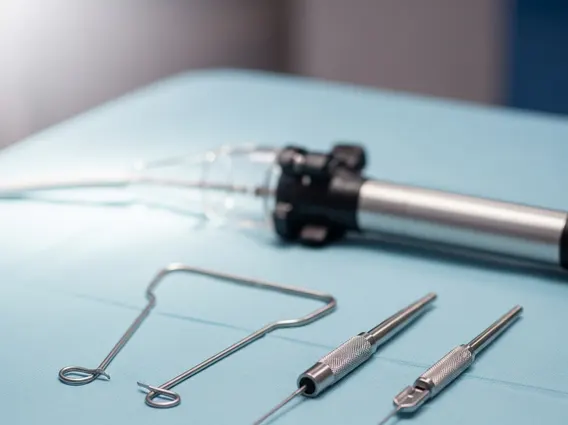
Key Takeaways
- EMR is a minimally invasive endoscopic procedure for removing abnormal tissue.
- It targets precancerous lesions and early-stage cancers in the digestive tract.
- The procedure involves using an endoscope to lift and resect the affected tissue.
- Recovery is typically swift, but potential risks like bleeding and perforation exist.
What is Endoscopic Mucosal Resection (EMR)?
Endoscopic Mucosal Resection (EMR) is a specialized endoscopic technique designed to remove superficial lesions from the gastrointestinal tract. These lesions can include precancerous growths (dysplasia) or early-stage cancers that are confined to the mucosal layer, which is the innermost lining of the digestive organs. By removing these lesions early, EMR plays a crucial role in preventing the progression of cancer and can often serve as a curative treatment.
This procedure is commonly performed in various parts of the digestive system, including the esophagus, stomach, duodenum, and colon. Its advantage lies in its ability to remove potentially harmful tissue without the need for more invasive surgical interventions, thereby preserving the organ and minimizing recovery time for the patient. EMR is a testament to advancements in endoscopic technology, offering a precise and effective method for managing specific gastrointestinal conditions.
The Endoscopic Mucosal Resection Procedure
The endoscopic mucosal resection procedure typically begins with the patient receiving sedation or general anesthesia to ensure comfort throughout. An endoscope, a thin, flexible tube equipped with a camera and light, is carefully inserted into the digestive tract. For lesions in the upper GI tract (esophagus, stomach, duodenum), the endoscope is passed through the mouth. For lesions in the lower GI tract (colon, rectum), it is inserted through the anus.
Once the abnormal tissue is identified, a key step involves injecting a solution (usually saline) beneath the lesion. This creates a fluid cushion that lifts the lesion away from the deeper muscle layers, making it safer and easier to remove. A specialized device, such as a snare or a cap, is then advanced through the endoscope to encircle and resect the raised tissue. The removed tissue is retrieved and sent to a pathology lab for detailed examination, which confirms the nature of the lesion and ensures complete removal. The entire procedure usually lasts between 30 minutes to an hour, depending on the size and number of lesions.
Recovery and Risks After Endoscopic Mucosal Resection
Following an endoscopic mucosal resection, patients are typically monitored in a recovery area until the effects of sedation subside. Most individuals can return home on the same day. Mild discomfort, such as a sore throat (if the upper GI tract was involved) or abdominal cramping, is common and usually manageable with over-the-counter pain relievers. Patients are generally advised to adhere to a soft diet for a few days and avoid strenuous physical activities to aid healing. Full endoscopic mucosal resection recovery varies but is often completed within a week, allowing most patients to resume their normal routines.
While EMR is considered a safe procedure, there are potential endoscopic mucosal resection risks. These can include:
- Bleeding: This is the most common complication and may occur immediately or several days after the procedure. It can often be managed endoscopically.
- Perforation: A rare but serious risk where a small tear occurs in the wall of the digestive tract. This may require surgical repair.
- Infection: Though uncommon, infection at the resection site is a possibility.
- Pain: Persistent or severe pain beyond mild discomfort should be reported to a healthcare provider.
- Adverse reaction to sedation: Some individuals may experience nausea, vomiting, or other reactions to the medications used for sedation.
Your healthcare provider will discuss all potential risks and benefits with you in detail before the procedure, ensuring you are fully informed and prepared.



















