Complete Hysterectomy
A complete hysterectomy is a significant surgical procedure with profound implications for a woman’s health and life. Understanding its nature, recovery, and long-term effects is crucial for those considering or undergoing this operation.
Key Takeaways
- A complete hysterectomy involves the surgical removal of the uterus and cervix, often performed to treat various gynecological conditions.
- Recovery time varies based on the surgical approach, but typically involves several weeks of rest and gradual return to activity.
- Potential risks include infection, bleeding, and injury to surrounding organs, though serious complications are rare.
- Life after the procedure can involve physical and emotional adjustments, including menopausal symptoms if ovaries are also removed.
- Long-term well-being is supported by adherence to post-operative care and open communication with healthcare providers.
What is a Complete Hysterectomy?
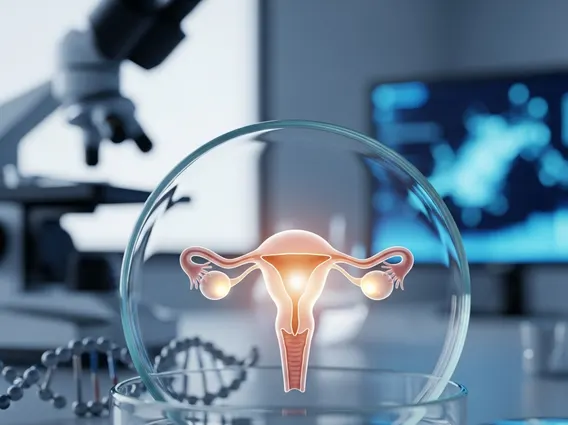
A complete hysterectomy refers to a surgical procedure where the entire uterus, including the cervix, is surgically removed. This differs from a supracervical (partial) hysterectomy, which leaves the cervix intact. The procedure is typically performed to address a range of gynecological conditions that have not responded to less invasive treatments. Common reasons include uterine fibroids, endometriosis, adenomyosis, uterine prolapse, abnormal uterine bleeding, and certain gynecological cancers. The decision to undergo a complete hysterectomy is made after careful consideration of a patient’s medical history, symptoms, and future reproductive desires, often involving discussions with a gynecologist. According to the Centers for Disease Control and Prevention (CDC), hysterectomy is one of the most common major surgeries among women in the United States, with approximately 400,000 to 500,000 procedures performed annually.
Recovery Time and Potential Risks
The complete hysterectomy recovery time varies significantly depending on the surgical approach used (abdominal, vaginal, laparoscopic, or robotic-assisted laparoscopic) and individual patient factors. Generally, hospital stays range from 1 to 4 days. Full recovery can take anywhere from 4 to 8 weeks, during which strenuous activities, heavy lifting, and sexual intercourse are typically restricted. Patients are advised to follow their surgeon’s post-operative instructions diligently to ensure proper healing and minimize complications.
While generally safe, there are potential risks of complete hysterectomy, as with any major surgery. These can include:
- Infection at the surgical site or urinary tract
- Excessive bleeding
- Damage to surrounding organs, such as the bladder or bowel
- Blood clots in the legs or lungs
- Adverse reactions to anesthesia
- Formation of scar tissue (adhesions)
- Early menopause if the ovaries are also removed (oophorectomy)
Patients should discuss these potential risks thoroughly with their healthcare provider before the procedure.
Life After the Procedure
Adjusting to life after complete hysterectomy involves both physical and emotional considerations. Physically, women will no longer experience menstrual periods and cannot become pregnant. If the ovaries are also removed during the procedure (a salpingo-oophorectomy), surgical menopause will be induced, leading to symptoms such as hot flashes, night sweats, vaginal dryness, and mood changes. In such cases, hormone replacement therapy (HRT) may be considered to manage these symptoms, though its suitability depends on individual health factors and risks. Emotionally, some women may experience a sense of loss or grief, while others report relief from chronic pain or heavy bleeding. Support groups and counseling can be beneficial for navigating these emotional adjustments. Regular follow-up appointments with a healthcare provider are essential to monitor recovery, manage any lingering symptoms, and discuss long-term health considerations, including bone health and cardiovascular well-being.