Aromatherapy Massage
Aromatherapy Massage is a therapeutic practice that combines the benefits of massage therapy with the use of essential oils. This holistic approach aims to enhance physical and psychological well-being through both touch and scent.
Key Takeaways
- Aromatherapy Massage integrates therapeutic touch with the inhalation and topical application of essential oils.
- Essential oils are absorbed through the skin and inhaled, influencing the body’s systems, including the limbic system.
- Common benefits include stress reduction, improved mood, pain relief, and enhanced relaxation.
- Various essential oils, such as lavender, peppermint, and eucalyptus, are chosen for their specific therapeutic properties.
- This practice is a complementary therapy intended to support overall well-being, not replace medical treatment.
What is Aromatherapy Massage?
Aromatherapy Massage refers to a specialized form of massage therapy that incorporates essential oils to achieve specific therapeutic outcomes. It combines the physical manipulation of soft tissues, characteristic of traditional massage, with the aromatic and chemical properties of concentrated plant extracts known as essential oils. During a session, a trained therapist typically dilutes essential oils in a carrier oil, such as almond or jojoba oil, before applying them to the skin. The selection of essential oils is often tailored to the individual’s needs, aiming to address concerns like stress, muscle tension, or mood imbalances.
The practice is rooted in the belief that essential oils, when applied topically and inhaled, can influence the body’s physiological and psychological states. This integration creates a multi-sensory experience designed to promote deep relaxation, alleviate discomfort, and foster a sense of balance and well-being. It is a popular complementary therapy used worldwide.
How Aromatherapy Massage Works
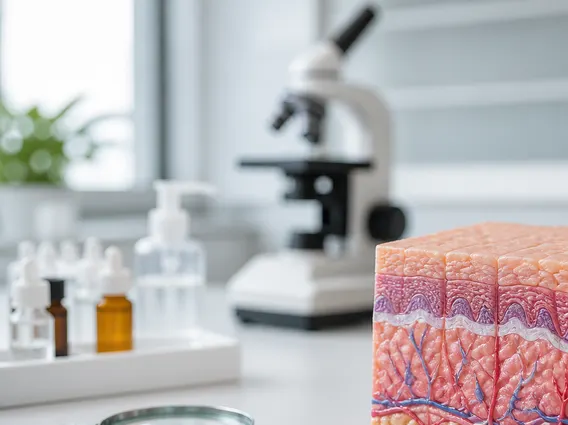
The efficacy of how aromatherapy massage works stems from the dual action of therapeutic touch and the unique properties of essential oils. When essential oils are applied to the skin during a massage, they are absorbed into the bloodstream. This topical absorption allows the active compounds within the oils to circulate throughout the body, potentially interacting with various systems and tissues. The massage itself enhances this process by increasing circulation and promoting deeper penetration of the oils into the skin and underlying muscles.
Simultaneously, the aromatic molecules of the essential oils are inhaled, stimulating the olfactory system. These scent signals travel directly to the limbic system in the brain, which is responsible for emotions, memory, and motivation. This direct pathway explains how certain aromas can profoundly affect mood, reduce stress, and evoke feelings of relaxation or invigoration. The combined effect of physical touch and aromatic stimulation creates a powerful therapeutic experience, addressing both the physical and emotional aspects of well-being.
Benefits and Essential Oils for Aromatherapy Massage
The benefits of aromatherapy massage are wide-ranging and often include stress reduction, improved mood, pain relief, and enhanced sleep quality. Many individuals seek this therapy to alleviate symptoms of anxiety and depression, manage chronic pain conditions, or simply to promote general relaxation and detoxification. The synergistic effect of massage and essential oils can help to calm the nervous system, reduce muscle tension, and foster a sense of mental clarity.
The choice of essential oils for aromatherapy massage is crucial, as each oil possesses distinct therapeutic properties. Therapists carefully select oils based on the client’s specific needs and desired outcomes. Some commonly used essential oils and their general applications include:
- Lavender: Widely known for its calming and relaxing properties, often used to reduce stress, anxiety, and promote sleep.
- Peppermint: Invigorating and stimulating, frequently used to relieve headaches, muscle aches, and improve focus.
- Eucalyptus: Valued for its decongestant and anti-inflammatory qualities, often used to support respiratory health.
- Tea Tree: Known for its antiseptic properties, sometimes used for skin concerns.
- Chamomile: Offers soothing and anti-inflammatory effects, beneficial for sensitive skin and relaxation.
It is important to note that while aromatherapy massage can provide significant comfort and support for well-being, it is considered a complementary therapy. The information provided is for educational purposes only and should not be considered a substitute for professional medical advice, diagnosis, or treatment. Always consult with a qualified healthcare provider for any health concerns or before making any decisions related to your health or treatment.